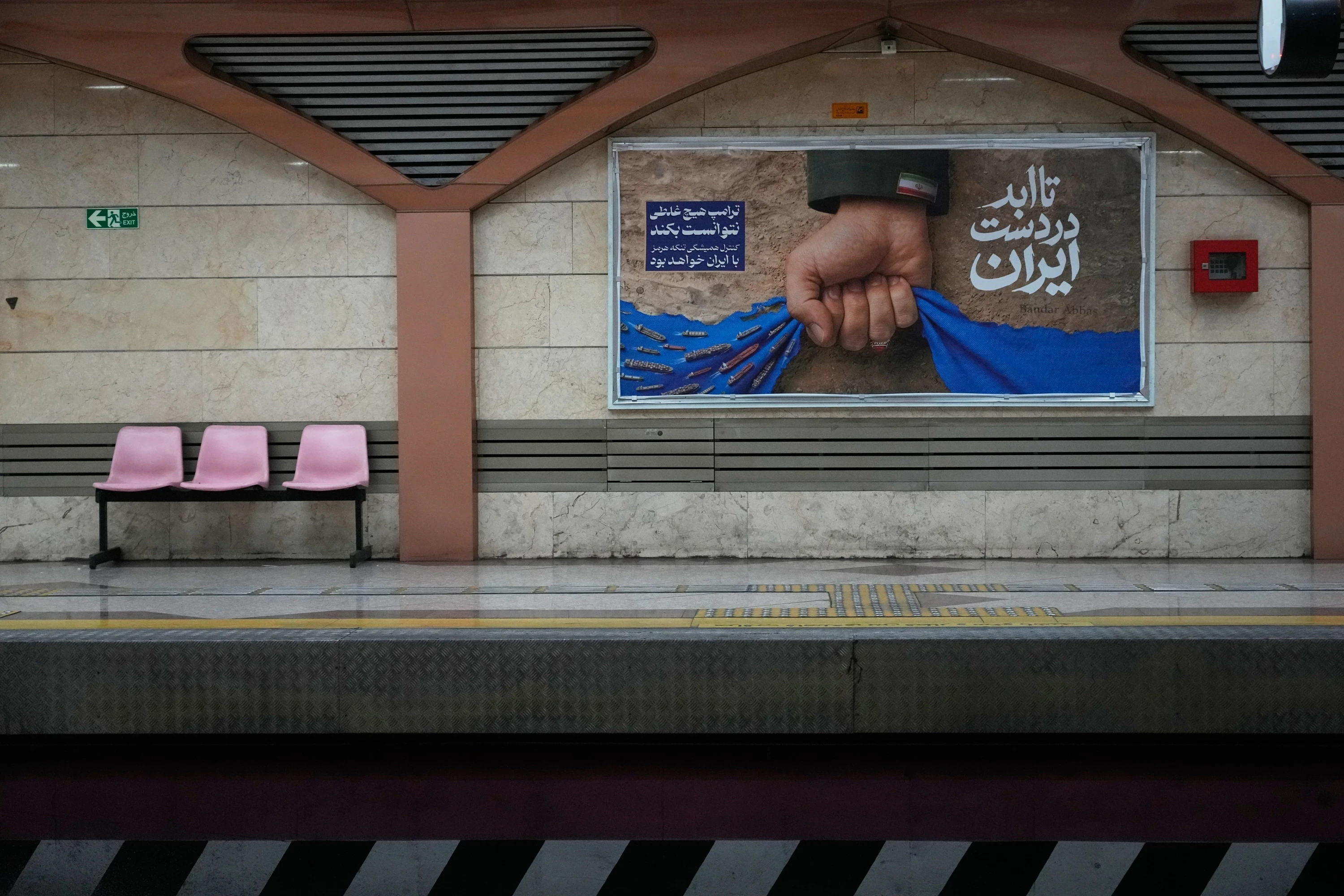
ERBIL, Kurdistan Region of Iraq - A top Iranian official on Tuesday said that the Strait of Hormuz will remain closed until the US "changes its behavior and accepts Iran's conditions," specifying that this would entail ending the war on all fronts and releasing blocked Iranian assets.
"The United States is the source of instability in the Persian Gulf, the Strait of Hormuz, and the Sea of Oman, and by imposing an illegal war on Iran, it has put the entire region at risk," said Mohsen Rezai, the newly appointed secretary of Iran's Supreme National Security Council, during a meeting with the Chinese ambassador in Tehran.
"The Strait of Hormuz will not be opened until the United States changes its behavior and accepts Iran's conditions," he continued, as quoted by Iranian state TV. "The United States must end the war, release the blocked Iranian funds, and in general, the war must end throughout the region, including Lebanon and Gaza, and other conditions that have been conveyed through intermediaries."
Rezai's comments come as Iran and Oman - both littoral states of the Strait of Hormuz - have reportedly made progress in bilateral talks seeking to establish a joint management system for the strategic waterway that will likely spell an end to free transit.
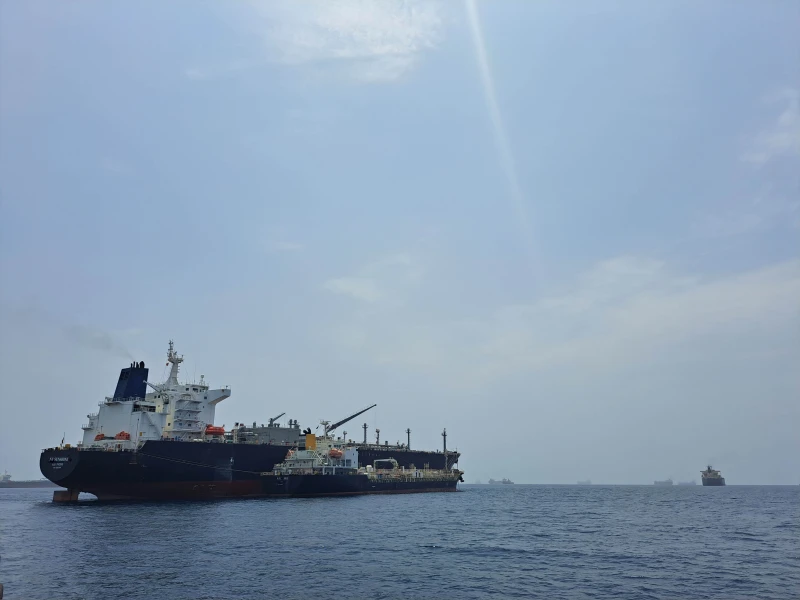
Tehran was able to successfully restrict the strait following the outbreak of a US-Israeli military campaign against Iran in February, with the ensuing rise in global energy prices troubling Washington and placing the reopening of passage for commercial vessels to the top of the diplomatic agenda.
However, the Iranian official insisted that the prospective agreement with Oman exists as a standalone arrangement that "will be separate from the issue of closing the Strait of Hormuz."
"Whoever does not learn from the experiences of the past will themselves become a lesson for the future," he wrote on X.
Mokhber previously served as vice president from 2021 to 2024, while Rezai was a long-serving commander in the Iranian Islamic Revolutionary Guard Corps (IRGC) and has been accused of orchestrating the 1994 bombing of a Jewish community center in Buenos Aires that killed 85 people, with Argentina and Interpol having respectively issued an arrest warrant and a Red Notice against him.
 Facebook
 LinkedIn
 Telegram
 X
X