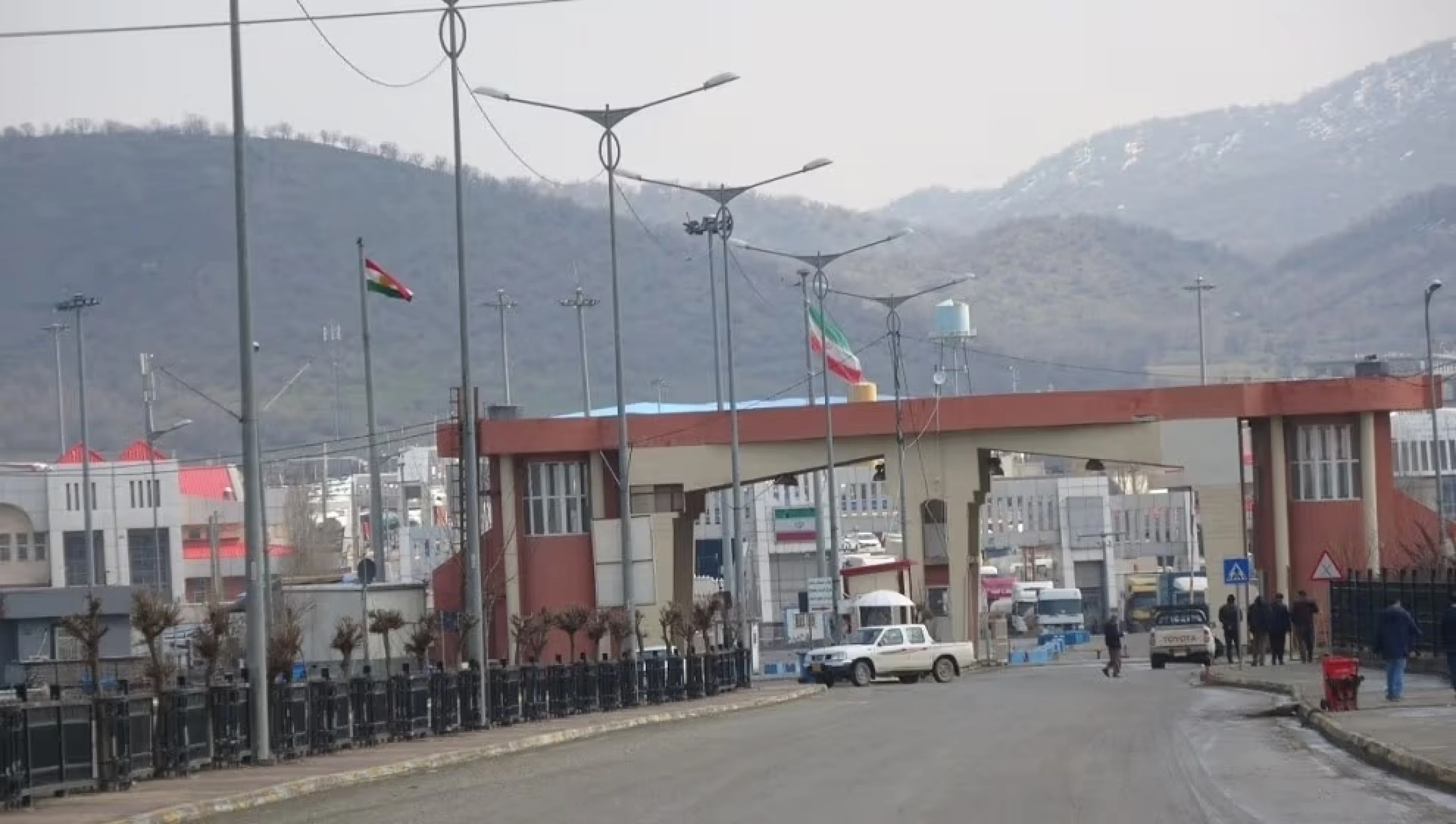
ERBIL, Kurdistan Region of Iraq – The Kurdistan Regional Government (KRG) has opened a license office at the Bashmakh border crossing with Iran in Sulaimani province to expedite obtaining import and export permits, a process that previously required a visit to Erbil.
“As part of the [trade] ministry's plan for commercial services, we opened a new office at the Bashmakh crossing,” Nawzad Sheikh Kamil, director of trade at the Kurdistan Region’s Ministry of Trade and Industry, told The New Region on Monday.
The move comes at a particularly sensitive juncture, as economic activity and trade have witnessed a significant decline across Iraq and the Kurdistan Region, owing to the US-Iran conflict.
Traders were previously required to visit Erbil to obtain the necessary licenses for importing and exporting their goods, a time- and resource-consuming trip, given that the Bashmakh crossing is around five hours away from the Region’s capital by car.
Kamil noted that such offices were available at the Ibrahim Khalil crossing with Turkey in Zakho and the Parvizkhan crossing with Iran in Kalar. He noted that the service will also be made available at Choman’s Haji Omaran crossing “in the near future.”
Kurdistan Region Prime Minister Masrour Barzani said in an interview with Al Jazeera that aired earlier in August that the Region’s trade volume with neighboring countries had “declined significantly," adding that attacks on the Kurdistan Region have slashed trade by over 70 percent.
The Region has come under more than 1,000 missile and drone attacks since the war began in late February, mostly from Iran and its allied militias in Iraq. The attacks have not been limited to US interests, as key government institutions and oil and energy infrastructure have also been targeted.
The announcement comes less than two weeks after the KRG’s interior ministry announced that Erbil and Baghdad had reached a “final agreement” on the implementation of the ASYCUDA customs system in the Kurdistan Region’s crossings, and the resolution of all outstanding customs disputes.
Iraq’s economy, and the Kurdistan Region’s by association, rely heavily on the export of oil, which has been significantly hampered by the closure of the Strait of Hormuz by Iran during the war, prompting Iraq to explore alternate routes to remedy the shortfalls in its budget.
Both Erbil and Baghdad have explored ways to diversify revenues and reduce their dependence on oil.
 Facebook
 LinkedIn
 Telegram
 X
X