
ERBIL, Kurdistan Region of Iraq – Iran and Oman on Tuesday discussed a “phased” framework that could provide a “practical and workable basis” for restoring navigation in the Strait of Hormuz, a joint statement said on Tuesday, during the Omani top diplomat’s visit to Tehran.
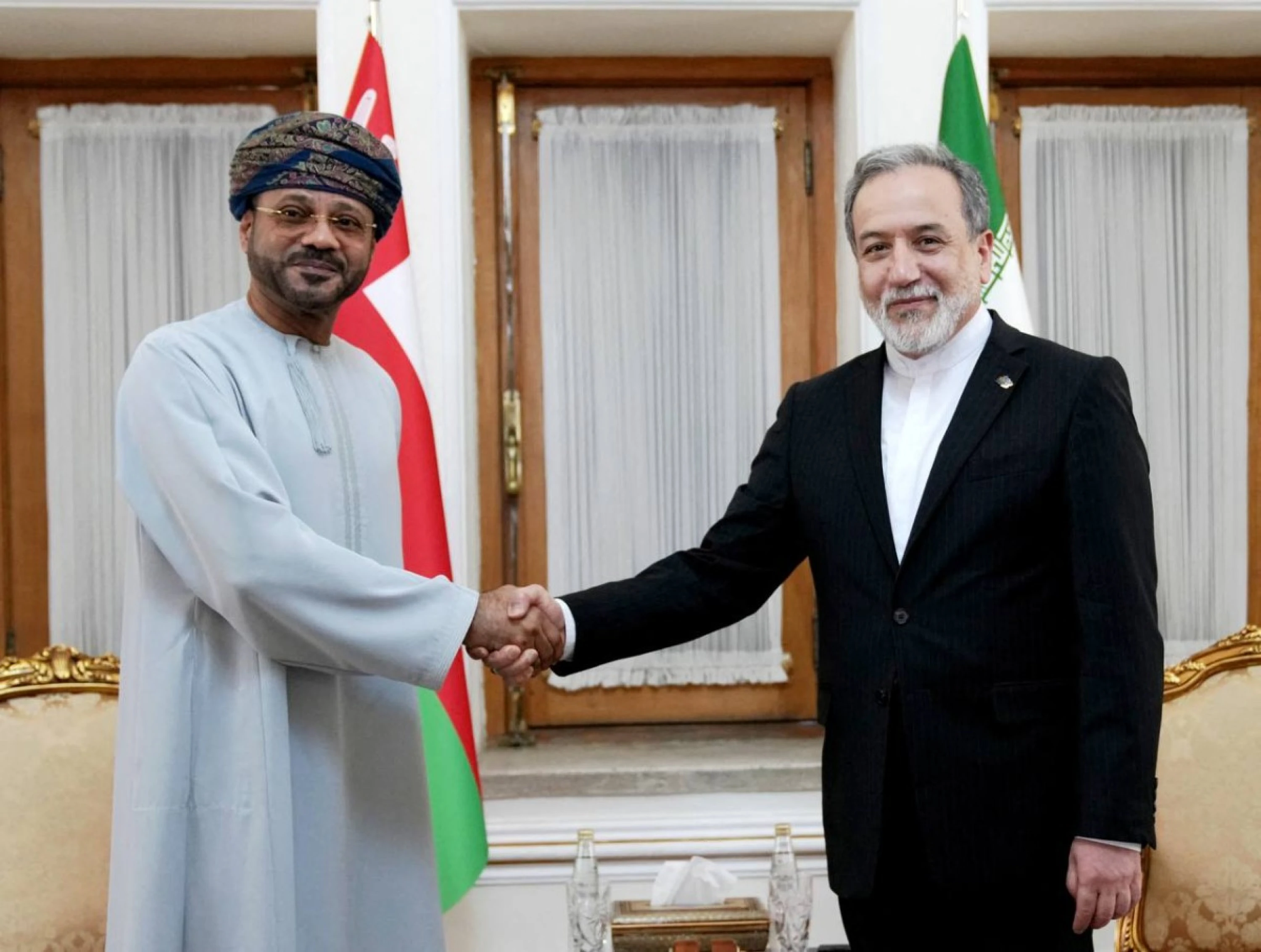
Omani Foreign Minister Badr al-Busaidi visited Tehran on Tuesday, where he met with his Iranian counterpart Abbas Araghchi.
The two discussed “the resumption of safe navigation through the Strait of Hormuz while preserving their sovereignty and sovereign rights,” read a joint statement published by both ministries.
Iran and Oman - both littoral states of the Strait of Hormuz - have reportedly made progress in bilateral talks seeking to establish a joint management system for the strategic waterway that will likely spell an end to free transit.
Earlier in August, Iran said it has reached an agreement with Oman on “a shipping traffic map” in the Strait of Hormuz, adding that talks have progressed positively “despite US obstruction.”
The ministers also discussed “a phased framework that could provide a practical and workable basis for moving forward,” including “the establishment of a joint temporary navigational corridor through the Strait of Hormuz” and an agreement to implement “a joint project to clear the Strait of mines.”
Tehran and Muscat also emphasized the importance of holding joint talks on the safe navigation of the Strait of Hormuz.
Earlier on Tuesday, US President Donald Trump said that "all mines have been removed and/or detonated from within the International Waters of the Strait of Hormuz,” in a post on the Truth Social platform.
“Iran has been notified that any ship or boat placing new mines will be immediately and systematically destroyed,” Trump said, noting that Tehran’s movements were being monitored by the US Space Force.
“There is a Zero Tolerance policy on mine placement in full force and effect,” he said.
Tehran was able to successfully restrict the strait following the outbreak of a US-Israeli military campaign against Iran in February, followed by a counter-blockade by US forces. Despite reaching a memorandum of understanding (MoU) in June, the waterway remains blocked, disrupting one of the world’s most strategic energy routes.
Washington and Tehran reached a memorandum of understanding (MoU) on June 17 to end hostilities and resume negotiations for 60 days. A key Washington condition in the MoU was free navigation in the strait.
The deal fell apart only 21 days later after the US Central Command (CENTCOM) said Iranian forces had attacked a Cyprus-flagged ship in the Strait of Hormuz.
 Facebook
 LinkedIn
 Telegram
 X
X