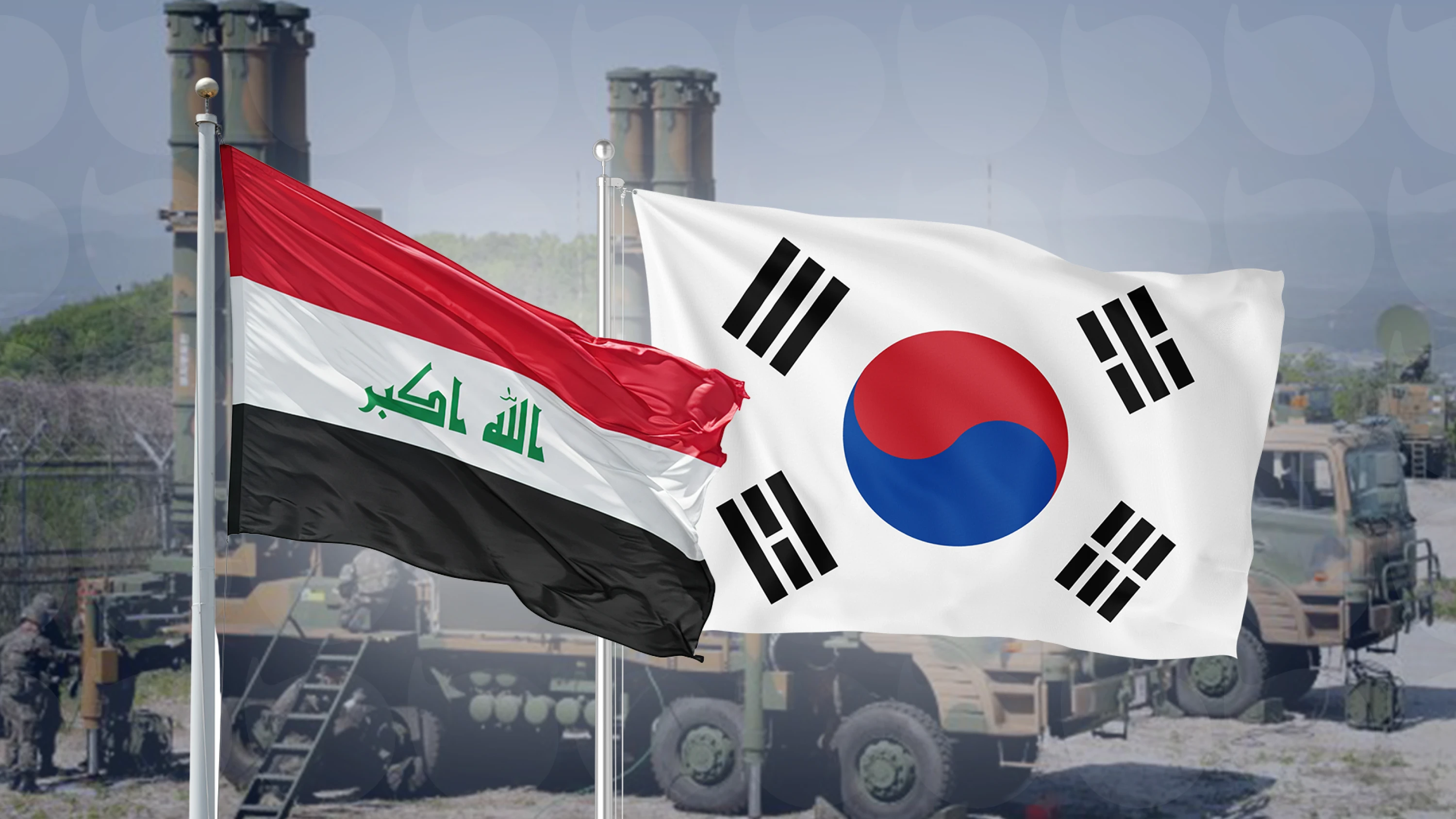
ERBIL, Kurdistan Region of Iraq – Iraq’s Finance Minister Faleh al-Sari on Wednesday met with South Korean Ambassador to Iraq Lee Jun-il, during which they discussed the financing of a landmark air defense deal signed by the two countries.
In late June, Sari said that “in the coming months” Baghdad will receive advanced defense systems from South Korea as part of Baghdad’s efforts to secure the country’s airspace, coming after an order was placed in 2024 for eight KM-SAM batteries.
The Wednesday meeting aimed “to discuss the funding file for the contract for the air defense system between Iraq and South Korea,” said a statement from the ministry.
Sari and the South Korean ambassador’s meeting was joined by the Korean military attaché in the presence of Army Chief of Staff Abdul-Amir Rashid Yarallah.
“The procedures and financial requirements” of the deal were also among the topics discussed, while ensuring the fulfillment of contractual obligations, the statement said.
Earlier in August, Iraqi Prime Minister Ali al-Zaidi chaired a meeting of the Air Defense Command to discuss plans to develop its capabilities and contracts with foreign companies to equip it with “advanced specialized systems” and to enhance Iraq's capabilities to monitor and control airspace.
With Iran and its aligned militias targeting diplomatic and military installations across the country and the US and Israel bombing pro-Iran militia groups' components in return, Iraq has been repeatedly attacked by both sides of the current regional conflict.
The KM-SAM system made its combat debut in Emirati hands in March, being used to intercept Iranian drones and missiles fired at the UAE, with Korean outlets reporting a 96 percent success rate for the interceptor missiles.
Iraq's vulnerability to air attacks has long been noted as a pressing issue required to maintain control over the country's sovereign airspace. Erbil, which was repeatedly targeted by Iran and its aligned proxies during the conflict, was reliant on US Patriot interceptors located at Erbil International Airport for air defense. However, the US military's scheduled withdrawal from the country by the end of September highlights the need for domestically-operated systems.
 Facebook
 LinkedIn
 Telegram
 X
X