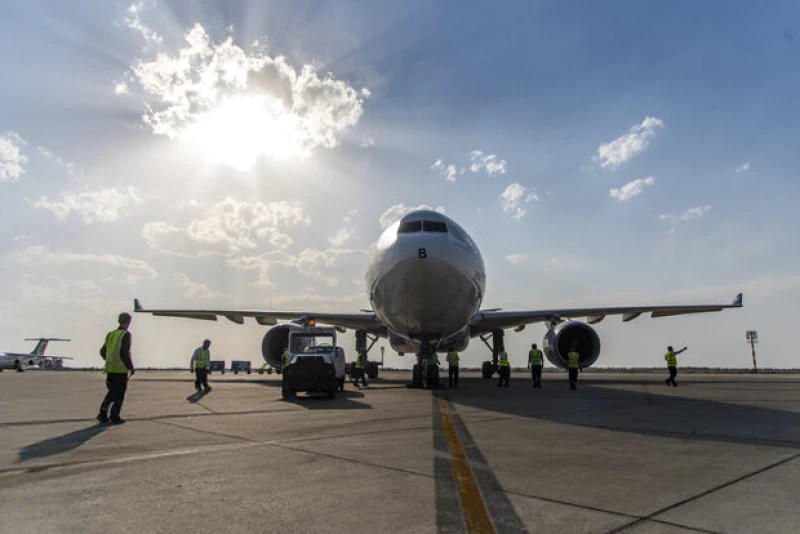
ERBIL, Kurdistan Region of Iraq - Iraq on Friday announced it has officially ended military reservations of its airspace entirely, reopening the skies in parts of the country for civilian flights which have been restricted for nearly a decade.
In a statement, the ministry announced that the restrictions were lifted “after confirming that the military airspace zones listed in the Iraqi Air Operations Manual are no longer being used for military operations.”
In 2016, Iraq imposed restrictions on its airspace, mainly in the western parts of the country, to allow for aerial military operations with the international coalition forces targeting the Islamic State (ISIS).
“This file represents the culmination of more than 10 years of continuous institutional and technical efforts aimed at increasing the efficiency of airspace management and improving the flow of air traffic,” the ministry added.
The statement noted that the announcement comes after relevant authorities verified that the zones were no longer being used for military purposes, with procedures now underway to remove the areas from the Iraqi Air Operations Manual, which outlines operational mandates for commercial and civilian transport.
“Completing the necessary procedures and updating the Iraqi Air Traffic Control Manual will increase the flexibility of airspace use, improve the flow of civil aviation, develop its routes, and enhance the operational efficiency of air navigation in Iraq,” the ministry emphasized.
The move comes days before the US-led international coalition is scheduled to complete its withdrawal from Iraqi territory.
Ihab Saad Karim, a top transport ministry official, told state media that reopening the airspace is part of the measures linked to the foreign troops’ exit from the country.
He highlighted the importance of marketing Iraqi air corridors, arguing that “Iraq's strategic location will boost opportunities for global airlines to utilize its airspace.”
The global coalition, brought to Iraq in 2014 at the invitation of Baghdad to help repel a lightning ISIS advance across the country, is set to complete its withdrawal from all Iraqi territory by September 30, as per an agreement between Washington and Baghdad.
The withdrawal has long been a key demand of political forces and armed groups across Iraq, particularly those with strong links to Iran.
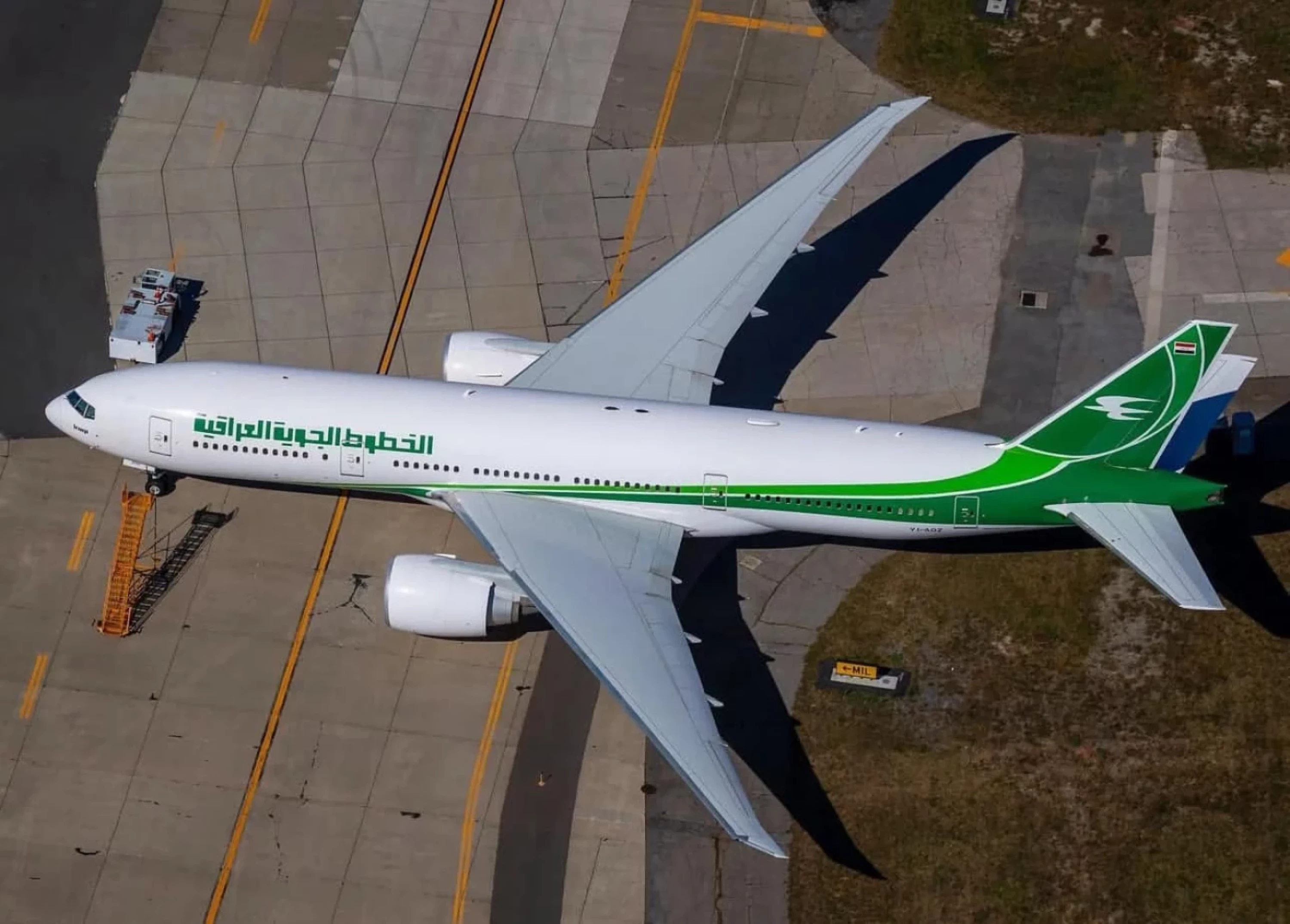
Iraq’s perpetual security concerns have severely hampered its capacity to fully use its airspace for commercial flights. The country’s national carrier, Iraqi Airways, has been barred from flying to Europe since 2015 by the European Union, citing “serious safety concerns,” despite the continued efforts of successive Iraqi governments to lift the ban.
 Facebook
 LinkedIn
 Telegram
 X
X