ERBIL, Kurdistan Region of Iraq - Iraq has completed preparing its 2027 federal budget draft, which aims to raise non-oil revenues to at least 19 percent of total government revenues, the government spokesperson said Tuesday.
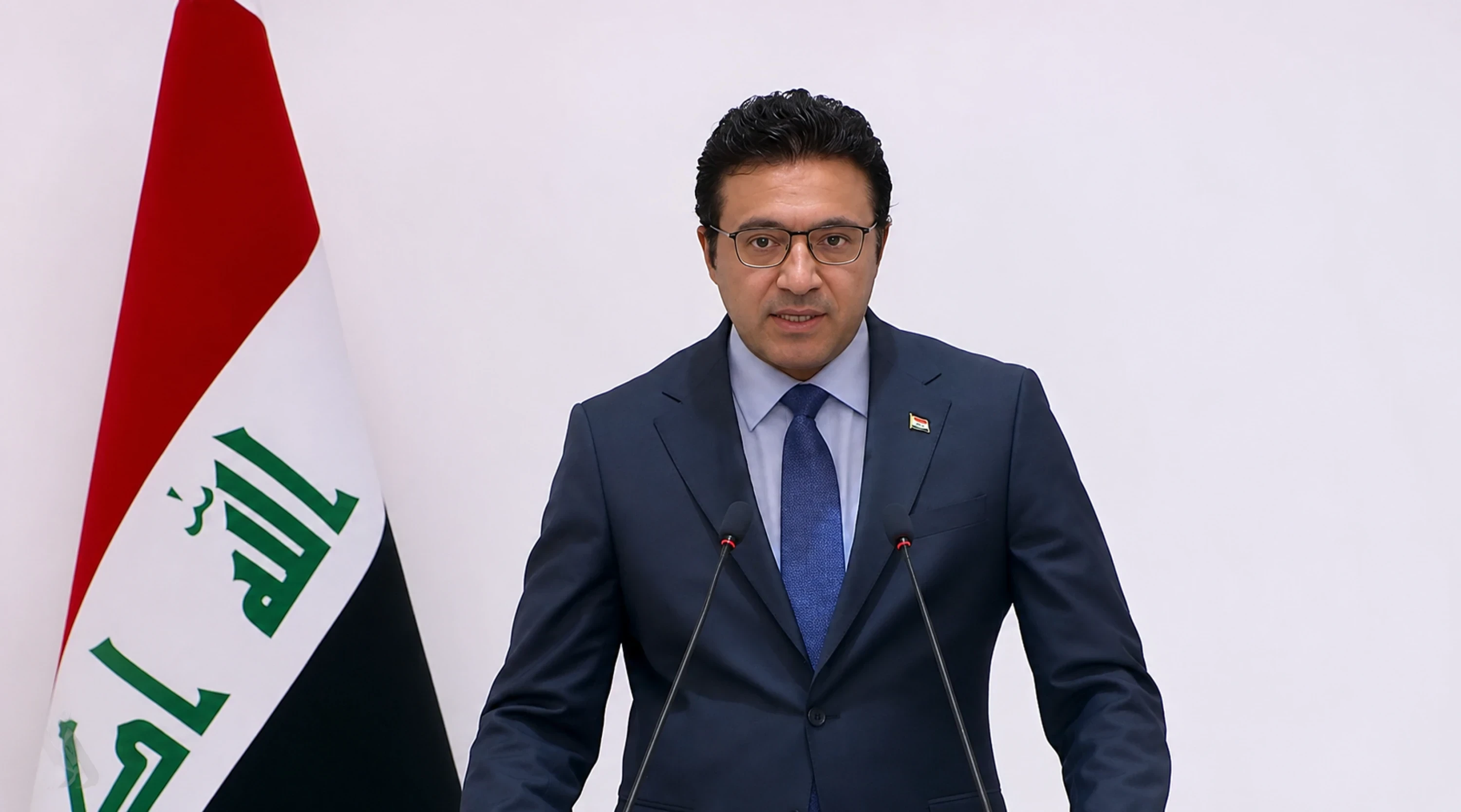
“For the first time,” non-oil revenues are set to account for “at least” 19 percent of total revenues under the 2027 budget, compared with no more than 11 percent before 2026, government spokesperson Haider al-Aboudi told state media.
“The draft budget defined revenues, expenditures, and the potential deficit, and included a share of program and performance budgeting, which is unprecedented,” he said.
Aboudi attributed the projected increase in non-oil revenues to measures aimed at curbing corruption, digitizing government operations, automating procedures at border crossings, and strengthening tax collection.
Iraq remains heavily dependent on oil revenues, leaving its public finances vulnerable to fluctuations in global oil prices.
Despite the completion of the draft, disagreements with the Kurdistan Region over oil revenues remain a major obstacle to reaching an agreement on the budget, Aboudi said.
He said dialogue was continuing over the handover of oil revenues, with the draft setting the Kurdistan Region’s obligation at no less than 445,000 barrels per day. The Kurdistan Regional Government (KRG), however, maintains that its production is below that level.
The Kurdistan Region’s oil production capacity has been heavily affected by the ongoing US-Iran war and the continued threat of attacks by pro-Iran groups on the Region’s energy infrastructure.
Before the war began in February, the Kurdistan Region produced around 250,000 barrels per day, of which 50,000 barrels were allocated for local consumption, while the remainder was handed over to Iraq’s State Organization for Marketing of Oil (SOMO) for export. The Region’s production stood at around 400,000 barrels per day before 2023.
Kurdistan Region Prime Minister Masrour Barzani visited Baghdad last week, meeting with Iraqi Prime Minister Ali al-Zaidi and leaders of the ruling Coordination Framework to discuss “the Kurdistan Region’s constitutional rights, financial entitlements and share in the 2027 federal budget,” according to the KRG.
A major point of contention in the proposed budget is the Kurdistan Region’s share, with the initial draft allocating 12.68 percent. The KRG has insisted that its share should reflect its actual population, which is 14.14 percent of Iraq’s total.
 Facebook
 LinkedIn
 Telegram
 X