ERBIL, Kurdistan Region of Iraq – The US Department of Defense on Wednesday announced the conclusion of the global coalition against the Islamic State’s (ISIS) mission, expressing Washington’s expectation that Iraqi and Kurdish forces will keep the country “secure”, while seeking “a more normal bilateral security relationship.”
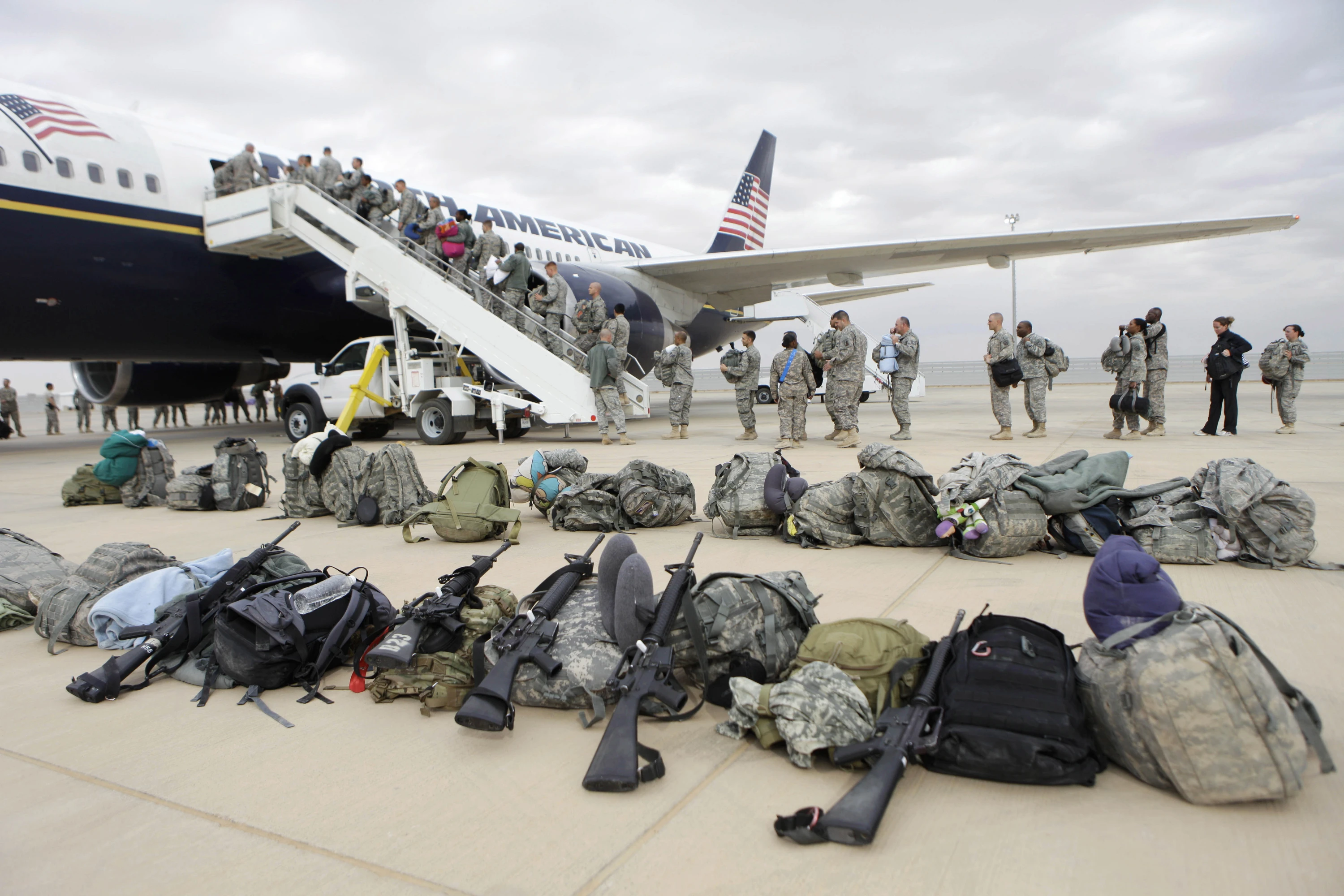
On Wednesday, the US-led coalition completed its withdrawal from Iraq and the Kurdistan Region in accordance with an agreement between Baghdad and Washington. The withdrawal comes after years of cooperation between the coalition and Iraqi and Kurdish forces in the fight against ISIS.
“The orderly departure of Coalition forces and equipment from Erbil Air Base marks the successful conclusion of the military mission that defeated ISIS in Iraq,” read a statement attributed to Chief Pentagon Spokesperson Sean Parnell.
“This milestone reflects the success of a 12-year campaign that defeated ISIS as an organized military threat in Iraq and across the region. It also marks a transition from a wartime coalition mission to an Iraqi-led security effort supported by a more normal bilateral security relationship,” Parnell added.
Speaking at an event in Erbil on Wednesday, Kurdistan Region Prime Minister Masrour Barzani thanked the US-led coalition for their cooperation over the years, noting that the milestone represents a transition in the relations with the allied countries, not an end.
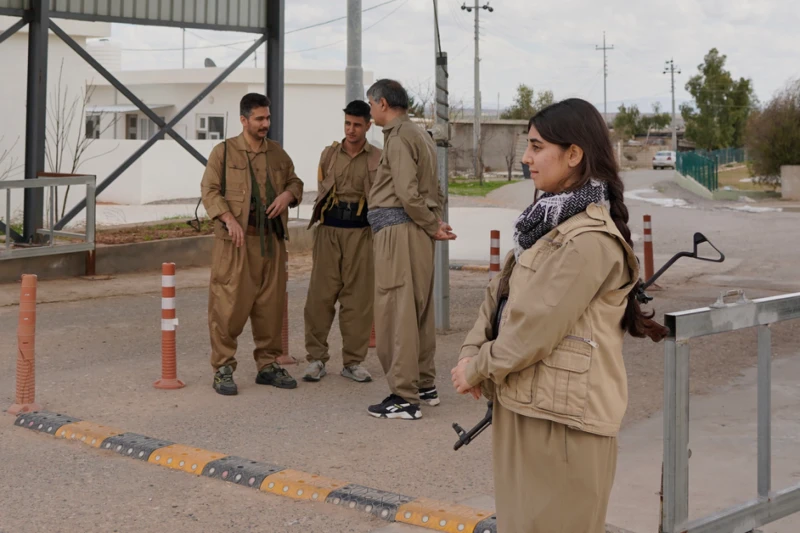
Washington “expects the Iraqi Security Forces, including the Peshmerga and other security forces in the Iraqi Kurdistan Region, to lead the continuing effort to secure Iraq and keep ISIS remnants suppressed,” according to Parnell.
The spokesperson also expressed the Department of War’s commitment to “continue to provide targeted training and intelligence support to our Iraqi partners.”
On Monday, the Kurdistan Region’s Peshmerga ministry said the planned withdrawal of US-led coalition forces without a defense system is a “cause for concern,” as the Region continues to face missile and drone attacks.
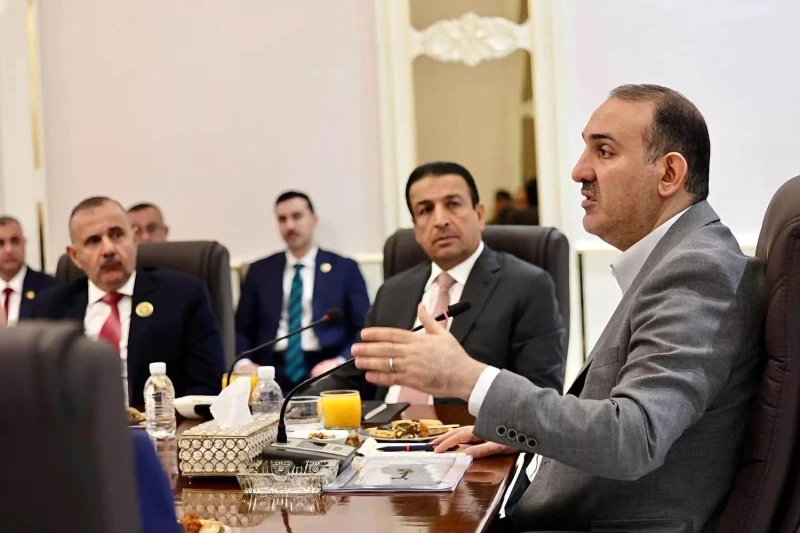
The Kurdistan Region has also been seeking to strengthen its own air-defense capabilities as it faces repeated missile and drone attacks. Kurdish officials have repeatedly called for advanced systems to protect the Region’s airspace and critical infrastructure. Baghdad, meanwhile, has also moved to accelerate efforts to build national air-defense capabilities, with Prime Minister Ali al-Zaidi ordering the modernization timeframe to be shortened from six years to three.
“The primary responsibility for addressing Iraq's remaining security challenges, including ISIS remnants and Iran-aligned militias that undermine Iraqi sovereignty and regional stability, now rests with the Government of Iraq,” Parnell said.
The Kurdistan Region has been subjected to more than 1,000 missile and drone attacks since the US-Iran war began in late February, with strikes attributed to Iran and Iran-aligned Iraqi armed groups.
The Region has repeatedly emphasized its neutrality in the wider regional conflict and said it would not allow its territory be used as a launchpad for threats against Iran or any other neighboring country. Kurdish authorities have repeatedly condemned the attacks and called on Baghdad to prevent further strikes and hold those responsible accountable.
The security concerns also come as Baghdad simultaneously seeks to bring Iran-backed armed factions under state control.
Iraqi Prime Minister Ali al-Zaidi's government initially set September 30 as the deadline for armed groups to hand over their weapons to the state, coinciding with the planned coalition withdrawal. Several pro-Iran factions rejected the notion, saying they would not surrender their weapons, leading Baghdad to seek other mechanisms to regulate the factions’ weapons in a manner that would be acceptable to the groups.
 Facebook
 LinkedIn
 Telegram
 X
X