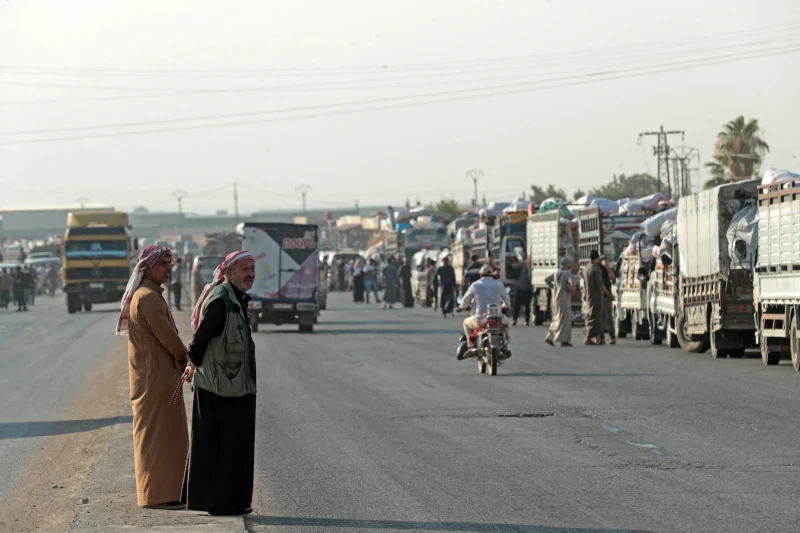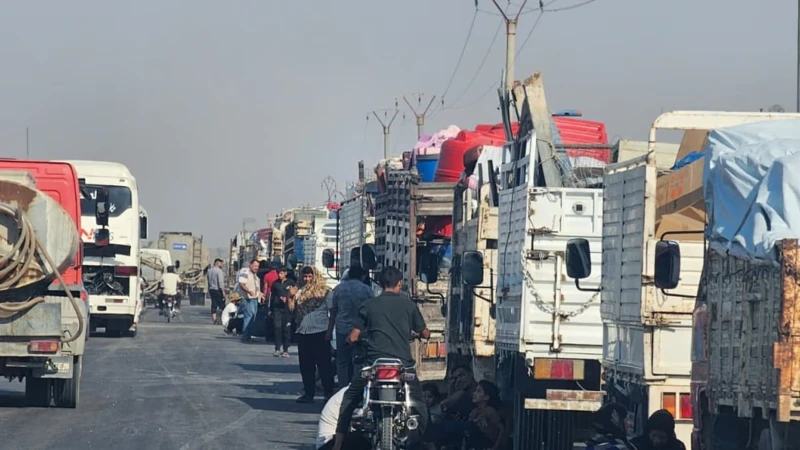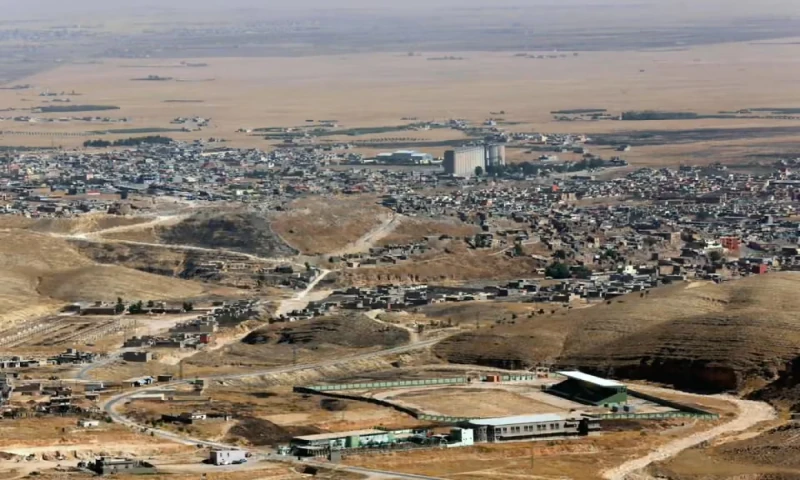
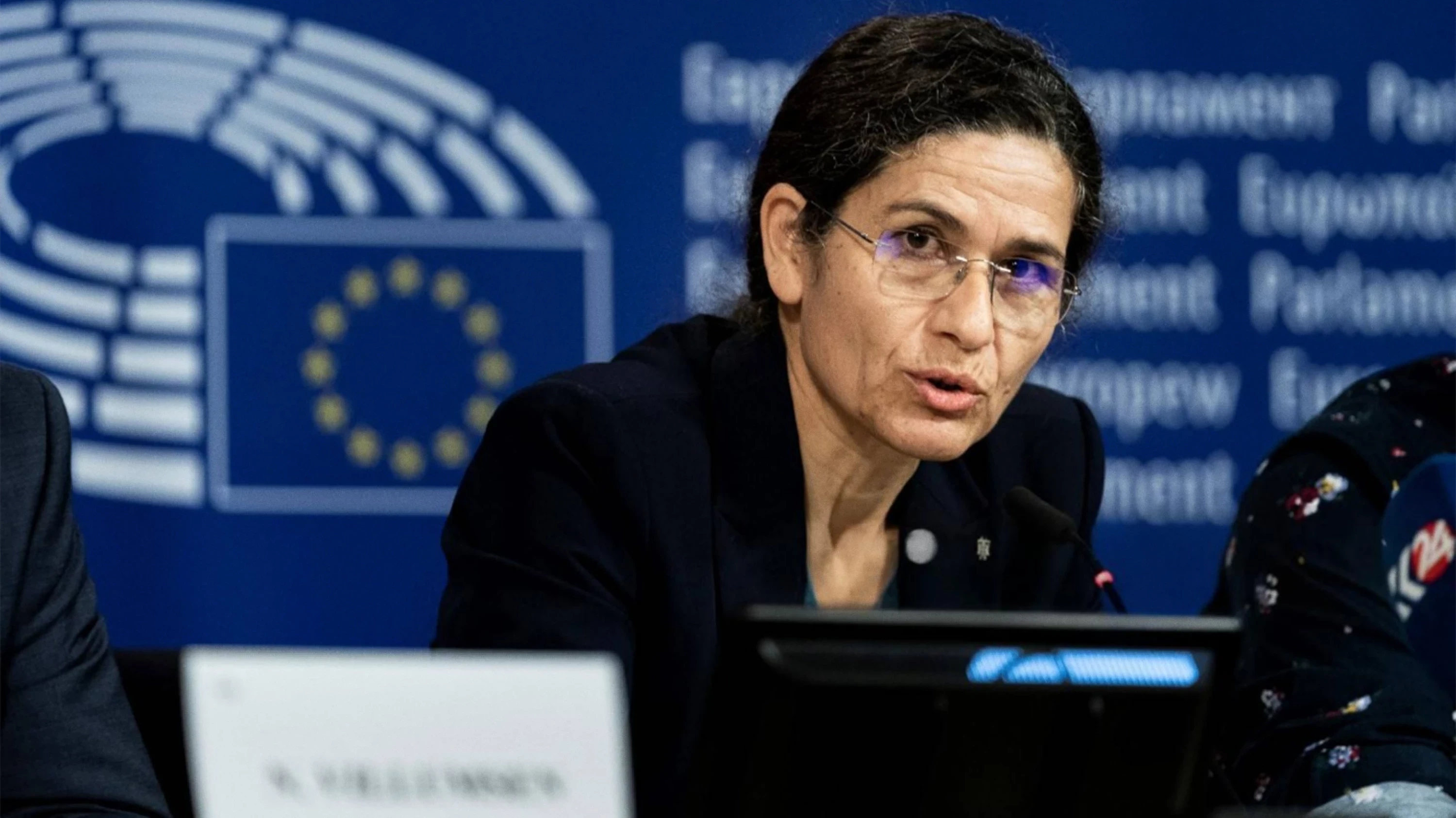
ERBIL, Kurdistan Region of Iraq – Families of armed groups continue occupying the houses of displaced people in Rojava’s (northeast Syria) Afrin, demanding money from the returning owners who are asking them to leave, veteran Kurdish politician Elham Ahmed told The New Region on Tuesday.
Afrin, a Kurdish-majority city, was taken over in 2018 by Turkey and its proxies, leading to the displacement of more than 137,000 native residents.
In implementation of the January agreement between Syrian and Kurdish authorities, hundreds of displaced Kurdish families returned to Afrin earlier this year, with the final batch of returnees arriving in the city in late May.
Ahmed described the IDPs’ return as a positive step but stressed that challenges remain as around 1,200 families of armed groups and Arab settlers still refuse to evacuate the properties and hand them over to their original owners after nearly a decade of displacement, demanding money.
“Some of them [families] belong to armed faction members, soldiers, and they are not even there. They live in Damascus but they have taken over the homes and ask for money from the government or from the original families,” Ahmed said.
“The government does not pay them, so they demand it from the families and how can the families afford it? they have been displaced for years. They’re poor. They do not have anything,” she continued. “This is provocation.”
The return of Afrin IDPs is a key point in the January 29 agreement signed between Kurdish authorities and Damascus to end hostilities and integrate Rojava’s institutions and forces into the state.
Kurdish officials are in contact with the defense ministry to address the issue, Ahmed noted.
Ahmed was the head of Rojava's foreign relations office before the integration process began. She now serves as a member of the Syrian parliament, and is set to assume a role in the parliament’s foreign relations committee.
Integration process
With Kurdish institutions and forces now dissolved, Ahmed said their efforts are now aimed at reaching an agreement with Damascus that would allow Kurds to participate in building the country while preserving their identity.
“Kurds throughout history have been distanced and minimized by governments and regimes. Now the Kurds want to find their place, have a role, and be more open. But there are still fears of how the state will accept them? To what extent will it accept my identity?” she added.
The integration of Kurdish-led forces is also progressing and is 90 percent complete, according to the veteran politician.
The Syrian Democratic Forces (SDF), which was the de facto army in Rojava, was dissolved in late August. Its leader, Mazloum Abdi, now serves as a Presidential Advisor to Sharaa.
The SDF was established in 2015 as a pluralistic, diverse force that had its backbone in the Kurdish People’s Protection Units (YPG). It contained elements from all segments of Rojava’s society, including Kurds, Arabs, Assyrians, and Armenians.
Abdi announced the force’s dissolution in late August.
“Instigated” unrest
Since the new authorities toppled Bashar al-Assad’s regime in December 2024 and took power, Syria has seen recurring sectarian unrest.
Earlier this week, pro-government protests in Hasaka province escalated into clashes and attacks on Kurdish symbols, leaving several people injured, which prompted counter-protests by Kurdish residents and calls from officials urging calm and restraint.
“There are some chauvinists who want to show that Arabs are always against the Kurds, that they cannot live among each other. They want to create this image and also create these problems on the ground. Because of this Kurds also always have a defensive stance,” Ahmed said.
“These are instigated incidents,” she said, blaming remnants of the Assad regime and others who “are paid” to cause the issues.
She also held Hasaka’s governor and head of the internal security forces responsible for preventing the reoccurrence of such episodes.
Noureddin Issa Ahmed, the former SDF public relations officer, was appointed as governor of Hasaka by Sharaa in mid February. In a post on X on Friday, he called for the demonstrations to remain peaceful.
“We must all maintain the peaceful nature of these demonstrations. Vandalism or engaging in confrontations does not serve your cause; rather, it distracts from your legitimate demands and harms the security of society,” the governor said.
Syrian forces have been routinely accused of discriminatory targeting of the country’s minorities, with state-affiliated armed factions carrying out dozens of violent campaigns against anti-government groups, killing hundreds of civilians.
On Friday, presidential advisor Abdi said “we will block the path of those who try to create strife among the components.”
 Facebook
 LinkedIn
 Telegram
 X
X