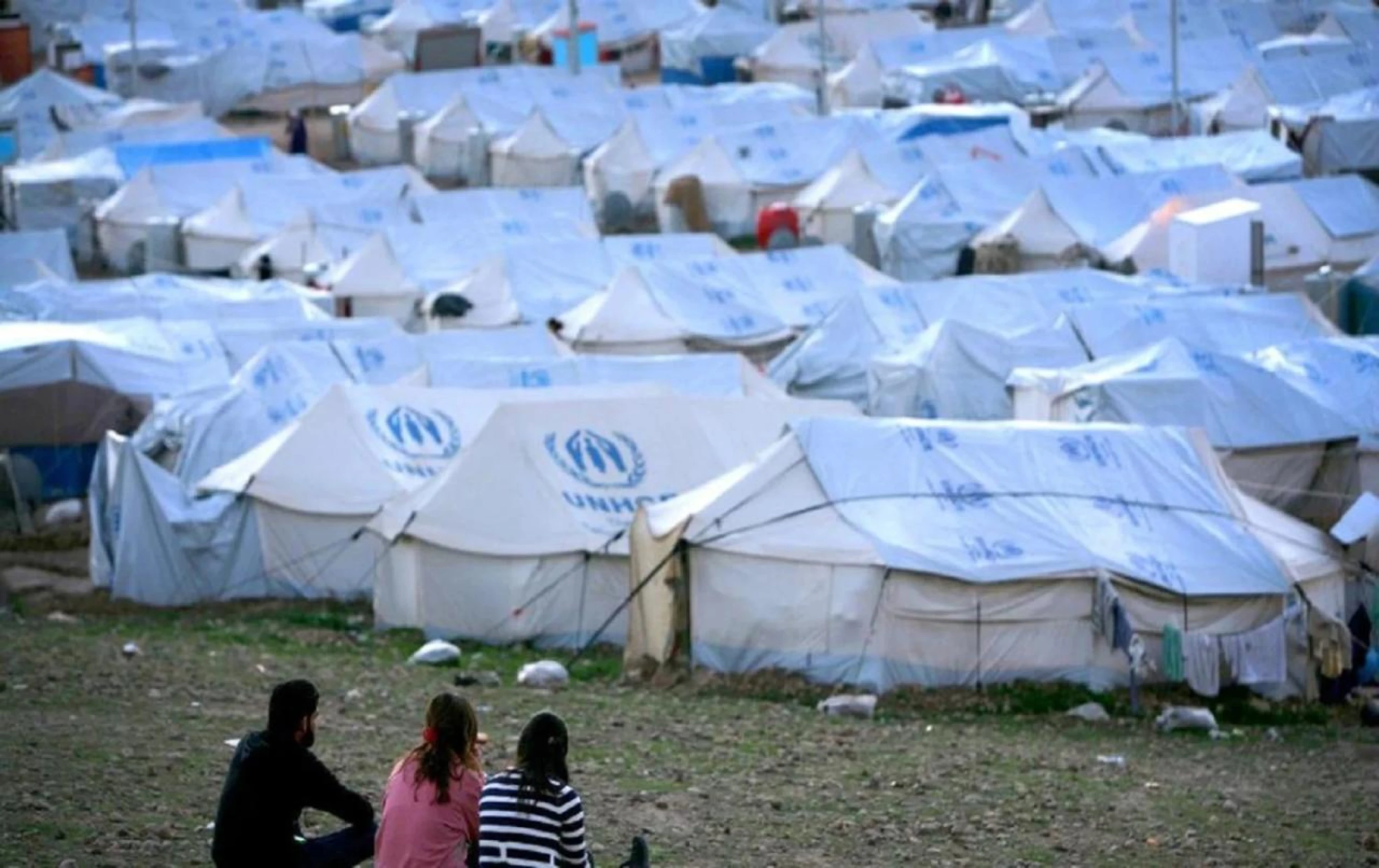
ERBIL, Kurdistan Region of Iraq – Nearly one million people remain displaced across Iraq nearly a decade after the Islamic State (ISIS) was territorially defeated, the United Nations said, with damaged homes, limited livelihood opportunities, and security concerns continuing to hinder returns.
“According to the latest available data, 997,334 IDPs remain displaced in Iraq. This includes 97,271 people living in 18 IDP camps in the Kurdistan Region of Iraq,” Pascal Reintjens, chief of mission for the UN’s International Organization for Migration (IOM) in Iraq, told The New Region.
The organization cited several interconnected obstacles to sustainable returns, including damaged homes and difficulties obtaining compensation, a lack of employment opportunities, limited access to basic services and infrastructure, and concerns about safety and renewed conflict.
According to the IOM’s reintegration monitoring of households nine months after their return, 70 percent reported livelihoods as an urgent need. In contrast, only 38 percent said they had a regular source of income.
The monitoring also found that 59 percent of households did not always have access to clean water, with little improvement reported over time.
Ali Abbas, spokesperson for Iraq’s migration and displaced ministry, told The New Region that the displaced families fled after ISIS seized vast areas of Iraq, with many seeking refuge in the Kurdistan Region.
The “vast majority” of displaced people had returned home, Abbas claimed, describing the number who remained displaced as “very small.” He added that the ministry’s database recorded more than 30,000 returning families and that the number of people still displaced, both inside and outside camps, was “roughly the same” as the number of families who had returned.
He said many families returned voluntarily after security forces regained control of their areas and rehabilitation efforts began, while others chose to remain displaced “until they felt secure.”
ISIS took control of swathes of Syrian and Iraqi territory in 2014, declaring its so-called caliphate with the Iraqi city of Mosul as its capital. They were territorially defeated with assistance from the US-led coalition forces in Syria in 2019.
A government-led initiative in coordination with international organizations, particularly the UN, known as "Sustainable Development and Investment Project in Sinjar,” is in place, according to Abbas. The effort focuses on rehabilitating areas in the Yazidi heartland.
Meanwhile, Reintjens cited damaged homes, difficulties obtaining compensation, inadequate healthcare, and limited access to schooling in Arabic and Kurdish as key obstacles to the return of families to Sinjar. Some families have been forced to pay for informal schooling.
ISIS swept through the Yazidi heartland of Sinjar in 2014, launching a brutal campaign of killings, abductions, genocidal rape, and forced conversions of Yazidis.
Over 5,000 Yazidis were killed in the ISIS campaign, and some 6,000 others were abducted and sold into sexual slavery. Thousands remain missing.
 Facebook
 LinkedIn
 Telegram
 X
X