
ERBIL, Kurdistan Region of Iraq - The office of Iraqi Prime Minister Ali al-Zaidi on Thursday announced that the premier would assume the role of chief of the Iraqi National Intelligence Service (INIS) in light of "current challenges" and his plans to clamp down on armed factions operating outside state authority.
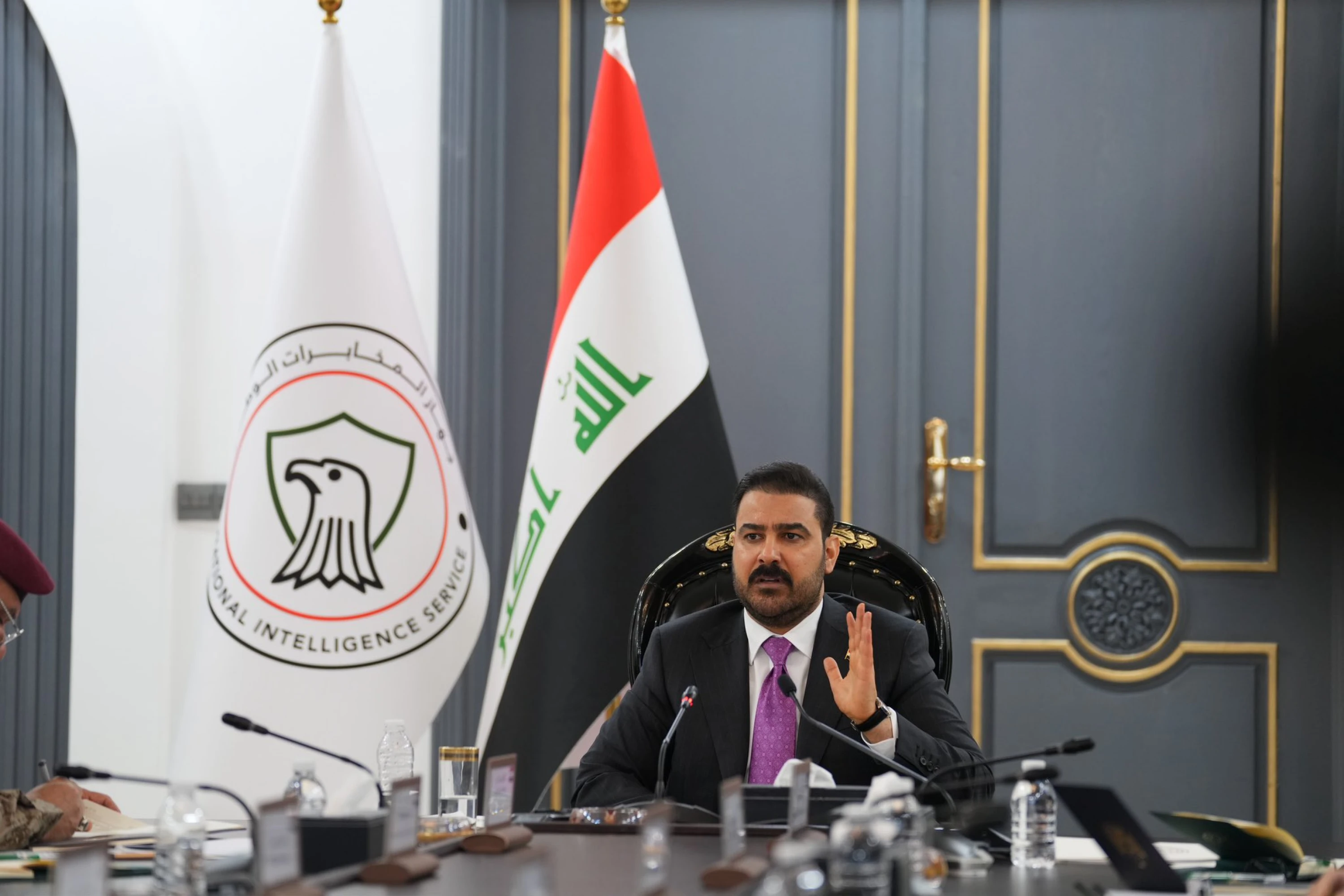
The announcement came shortly after a visit made by Zaidi to the service's headquarters in which he met INIS leaders and stressed that the current regional environment requires "doubling security work in all its fields."
His office said that the visit then saw the prime minister "assume the duties" of INIS chief, noting that the self-appointment comes "in light of the level of current challenges, accompanied by the plan to complete sovereignty."
The INIS, which is responsible for intelligence collection and analysis relating to threats to national security, was headed by Hamid al-Shatri since December 2024, until Zaidi dismissed him from the post on Monday.
No explanation was given for Shatri's dismissal, with he himself having once been posited as a potential Coordination Framework nominee for the Iraqi premiership, ultimately secured by Zaidi.
The assumption of direct control of the service by the premier comes at a time when Baghdad's push to clamp down on armed groups operating outside state authority, as referenced in the statement as "the plan to complete sovereignty," remains a salient political issue.
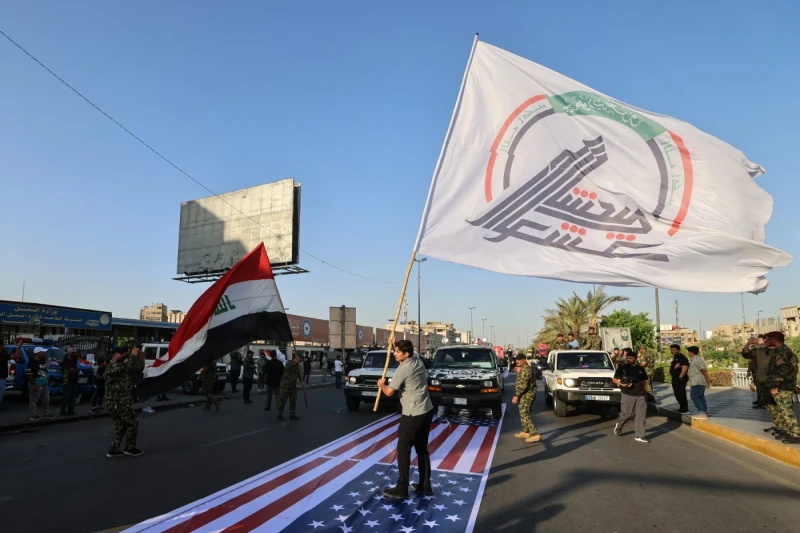
Pro-Iran armed groups, many of which operate under the nominally state-controlled Popular Mobilization Forces (PMF), were responsible for myriad attacks on US military installations and infrastructure sites across Iraq and neighboring countries during the US-Israeli war on Iran, resulting in stark diplomatic backlash against Baghdad and airstrikes on Iraqi soil conducted by the US, Israel, Saudi Arabia, and others.
The INIS headquarters in Baghdad was attacked by a drone in March, resulting in the death of an intelligence officer. No group claimed responsibility for the fatal strike, with pro-Iran factions including Kataib Hezbollah and Saraya Awliya al-Dam rejecting allegations of their involvement.
Founded with US Central Intelligence Agency (CIA) backing following the dismantling of Iraq's Mukhabarat in the wake of US-led 2003 invasion of Iraq, the INIS has faced criticism from many of the aforementioned factions for its alleged cooperation with foreign actors, with a Kataib Hezbollah official in March accusing large swathes of the organization of having ties to US, Saudi, Jordanian, and Israeli intelligence.
Upon assuming his role as prime minister, Zaidi had initially set a deadline of September 30 by which all armed groups operating outside of state control must lay down their weapons. The date matched the final exit of the US-led global coalition from Iraq, much feted by Iran-aligned actors as the withdrawal of "occupying" military forces.
However, the deadline came and went without several of the most powerful factions handing over their arms, leading Zaidi to postpone the initial plan and implement a phased process in which armed groups agreed to halt operations and turn over their weapons under a legal framework overseen by the Popular Mobilization Commission.
 Facebook
 LinkedIn
 Telegram
 X