
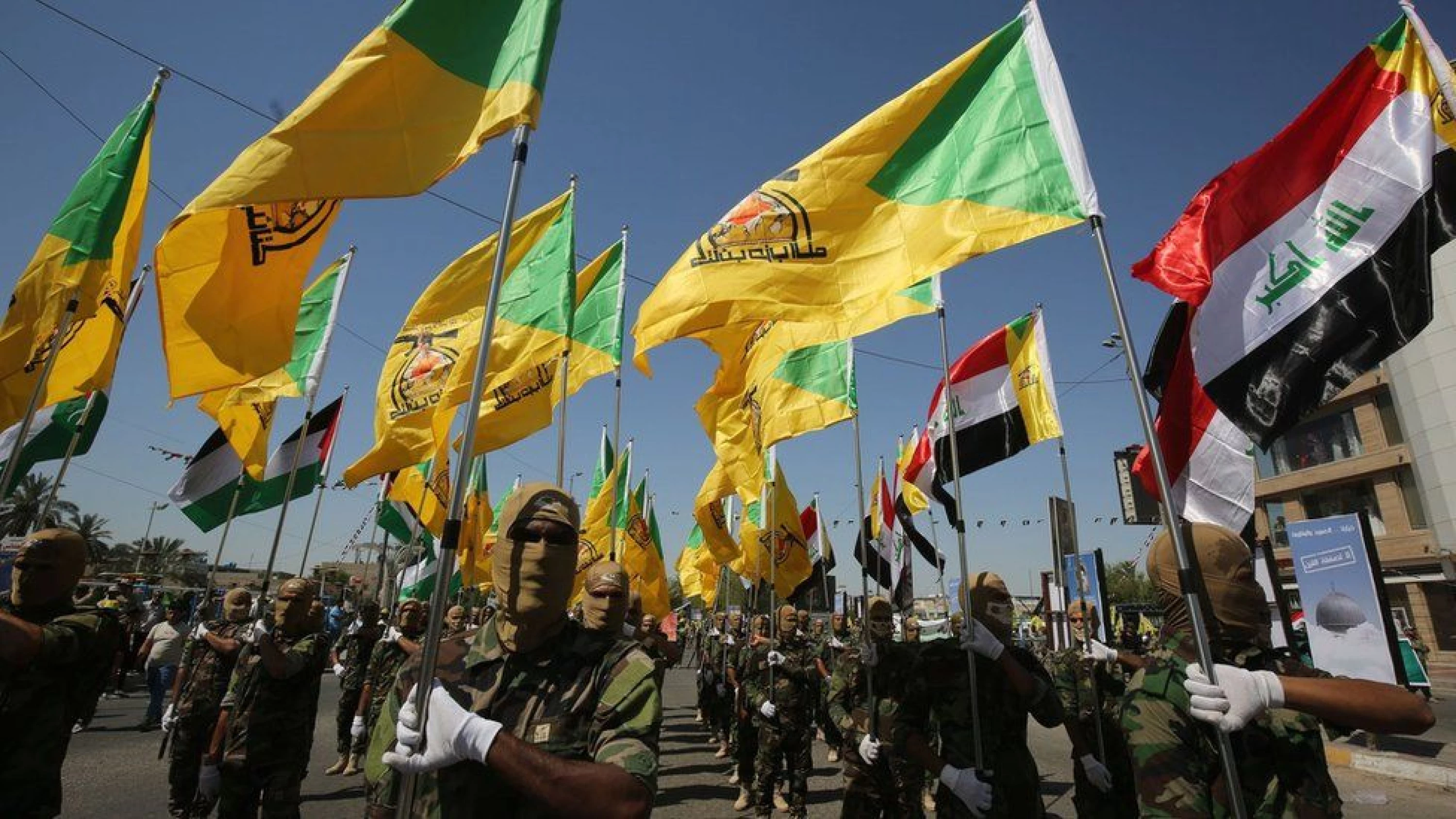
ERBIL, Kurdistan Region of Iraq – Iraq’s pro-Iran Kataib Hezbollah on Sunday rejected the Iraqi government's findings in an investigation into alleged oil smuggling in Babil’s Jurf al-Nasr, accusing Prime Minister Ali al-Zaidi’s government of using the case to pressure the group into surrendering its weapons.
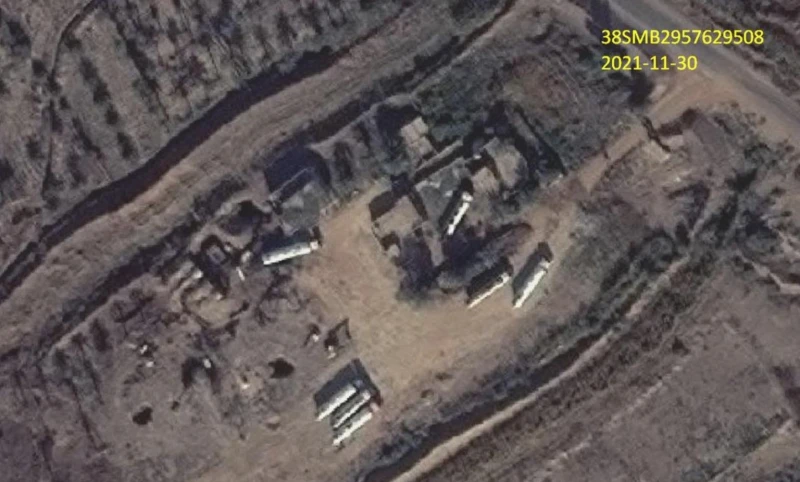
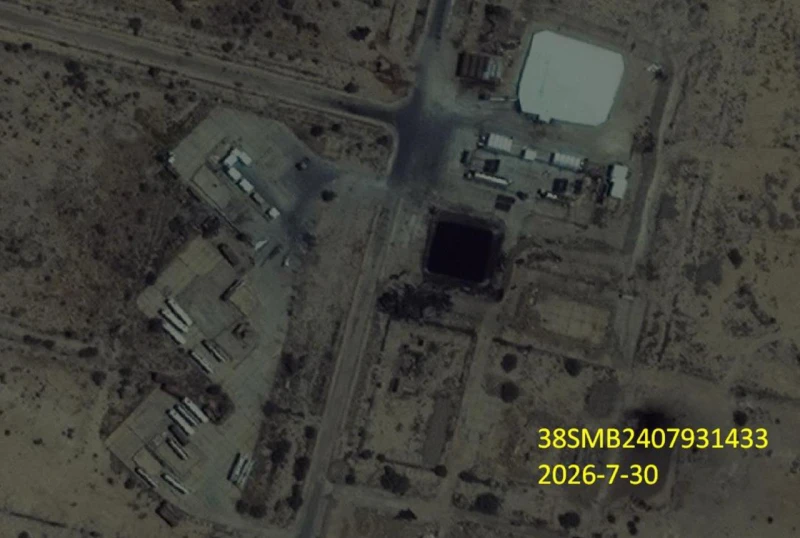
Zaidi ordered the formation of a committee on Wednesday to investigate the case, following an intelligence report alleging that an oil-smuggling network had been operating in Jurf al-Nasr since 2021, in an area described as being “under the responsibility of one of the armed factions.”
The report, which did not identify the faction, documented suspected oil extraction and storage activities near state-owned pipelines. Jurf al-Nasr is a stronghold of Kataib Hezbollah, which maintains considerable influence in the area.
The accusations come as Baghdad pursues a plan to bring weapons held by armed factions under state control. Zaidi extended the initial September 30 deadline to June 30, in a phased weapons handover process.
Kataib Hezbollah accused the government of “practicing the ugliest arbitrary methods and pretexts to condemn Kataib Hezbollah in fabricated files that cannot withstand the truth on the ground.”
Rejecting the investigation's findings, the group said a technical committee “found no tampering with the oil pipelines,” which it claimed, “conclusively proves the falsity of the smuggling claims.”
“All that was documented … consists merely of fuel storage tanks and a basic processing facility … intended for military vehicles, heavy machinery, diesel generators and war equipment,” the group said, adding that the facilities were used when fuel supplies to the Popular Mobilization Forces (PMF) fell short.
It also expressed “hope the Iraqi judiciary will do justice to those who were penalized,” claiming that the committee's report “refuted the accusations.”
However, Zaidi’s office said the committee had “confirmed the accuracy of information” in a report by the Federal Intelligence and Investigations Agency concerning “oil smuggling operations and the presence of oil refineries, as well as instances of manipulation in this matter.”
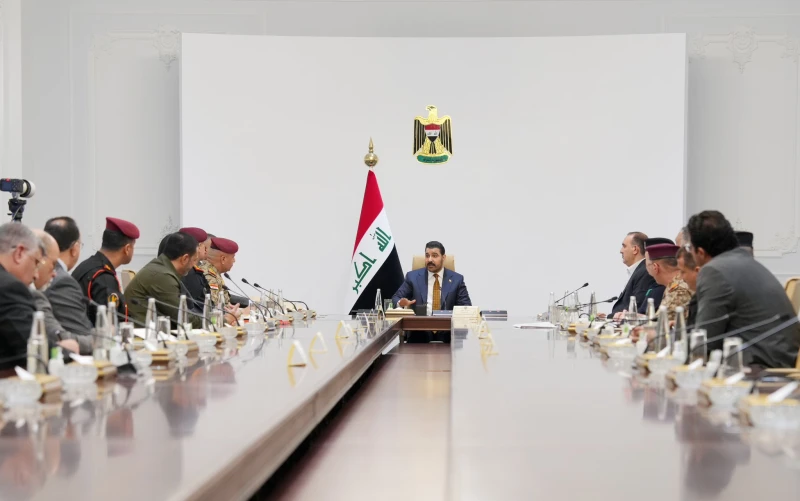
Following an emergency security meeting to review the findings, Zaidi ordered all suspects allegedly involved in the smuggling operations to be referred to the judiciary and dismissed nine security and administrative officials in Babil. Those removed included the provincial police chief, Babil’s PMF commander, the commander of the interior ministry’s energy police brigade, and the director of the oil pipelines company at the oil ministry.
Zaidi announced rewards and letters of appreciation for those involved in helping bring the operation to attention during a security meeting on Sunday, and pledged to support efforts to confront powerful groups implicated in smuggling.
“Yesterday they told me, ‘You are wrong.’ ‘You don’t have the forces to confront these people.’ I told them if our forces fail, I will bring out my people. I can do it. Come and stand up for your rights,” the Iraqi prime minister said during the meeting, a video excerpt of which was published by his office.
Meanwhile, parliament is conducting a separate investigation into the allegations. Taha al-Difayi, head of parliament’s integrity committee, told state media on Sunday that they are continuing to hear from relevant authorities and prepare their findings and recommendations for submission to parliament’s presidency.
He said the panel would summon the ministers of interior and defense, along with security officials responsible for protecting oil pipelines and facilities, on Monday as part of its investigation.
Babil Governor Ali Turki al-Jamali also submitted his resignation on Thursday, state media reported, after publicly denying the smuggling allegations. Jamali is a member of the Sadiquon bloc, the political wing of the Iran-backed Asaib Ahl al-Haq armed group.
ISIS captured Jurf al-Sakhar in 2014, and the subdistrict was captured by Iraqi security forces and large Shiite formations of the PMF in October of the same year, in a campaign codenamed Operation Ashura. The town was then named Jurf al-Nasr, or the Cliff of Victory, to honor the victory over the jihadists.
In addition to the oil smuggling reports, Kataib Hezbollah has for years been accused of preventing the return of Jurf al-Nasr’s native Sunni population since 2014. A 2024 report by the UN’s International Organization for Migration (IOM) identified Kataib Hezbollah’s continued control of Jurf al-Nasr as the primary factor hindering returns.
Kataib Hezbollah is also among the three major Iran-backed armed groups that have refused repeated calls from Baghdad to disarm. Under the Iraqi government’s updated decision, all armed groups must complete the disarmament process by July 2027.
 Facebook
 LinkedIn
 Telegram
 X