
ERBIL, Kurdistan Region of Iraq – Iran’s army on Sunday warned a renewed war with the US could last longer than the previous conflict, after President Donald Trump threatened fresh strikes.
Diplomatic efforts between the warring parties have been marred by US threats of new strikes against Iran.
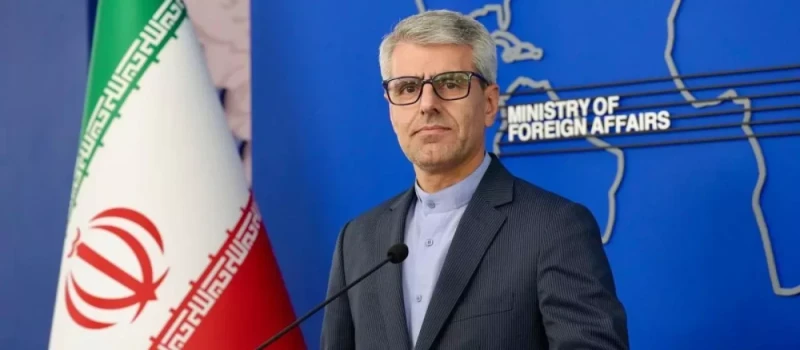
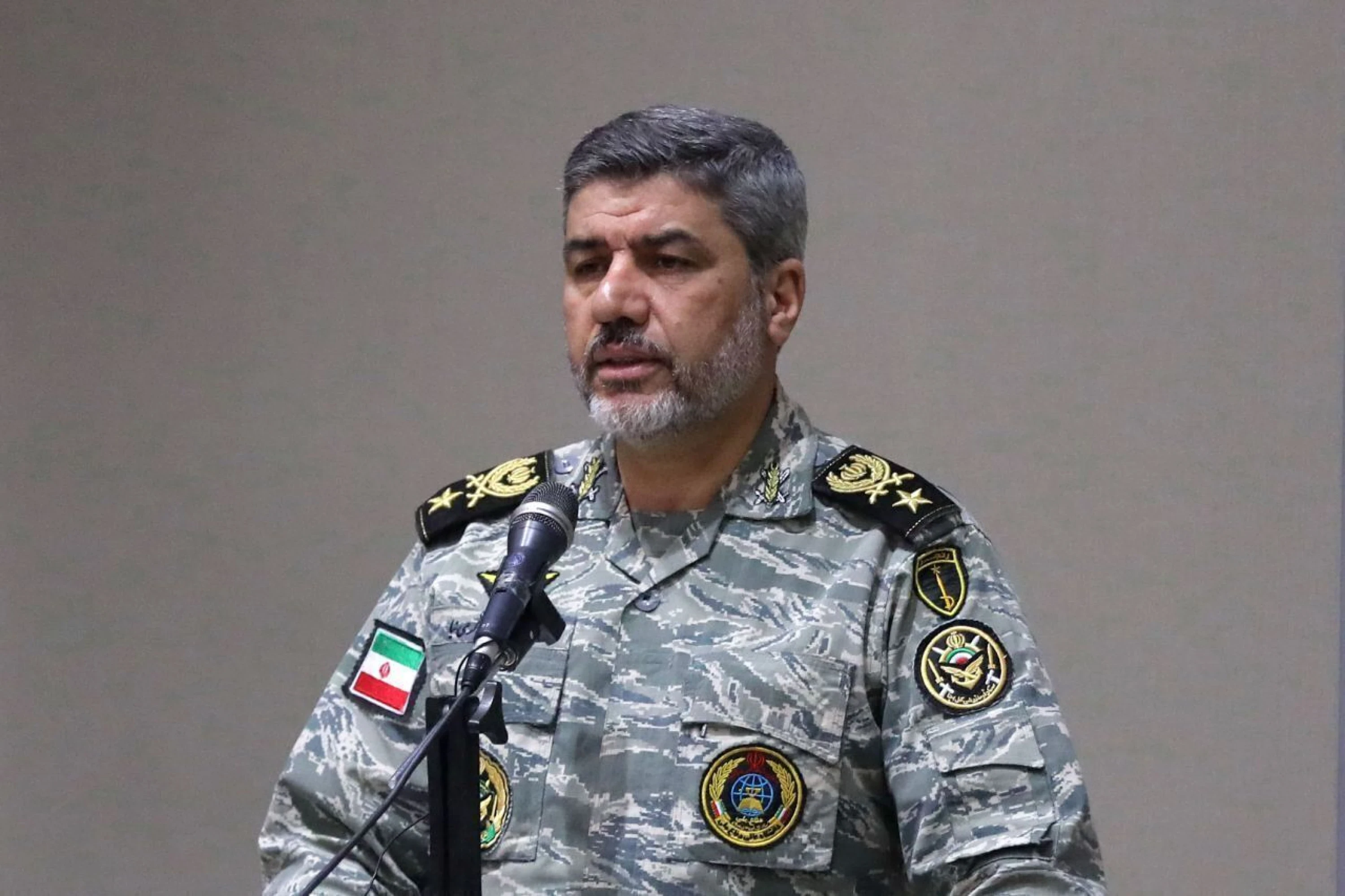
"A potential future war could last longer than previous conflict, and the American president would not be in a position to dictate the timing or the conditions of its conclusion," said army spokesperson Mohammad Akraminia, according to Iranian state television.
The US and Israel are reportedly preparing for possible renewed strikes on Iran after the November 3 US midterm elections. The White House said on October 22 that the US would not resume attacks before the vote.
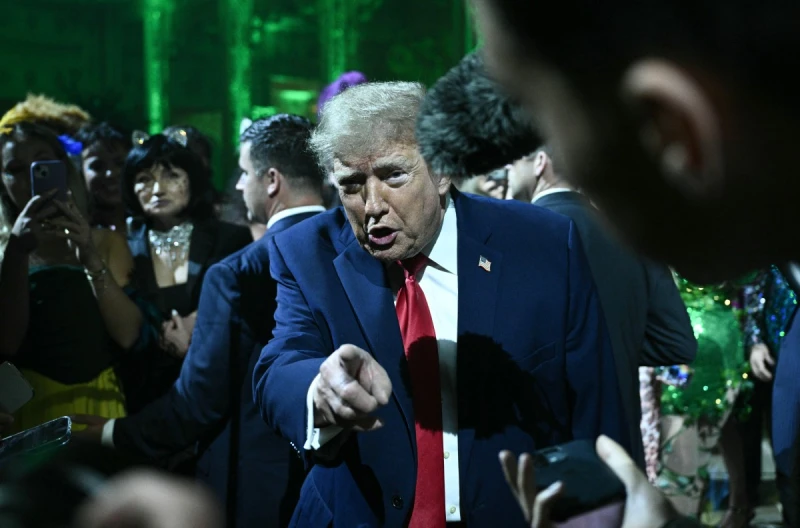
On Sunday, Trump told reporters: “We still have to take care of, I would say one or two sites, but we can do that in 10 minutes.” He added that negotiations with Tehran had been “going fine, but you know they’re not very reliable.”
Among the potential targets Trump has mentioned was Pickaxe Mountain, south of the Natanz nuclear complex, where nuclear material is believed to be stored.
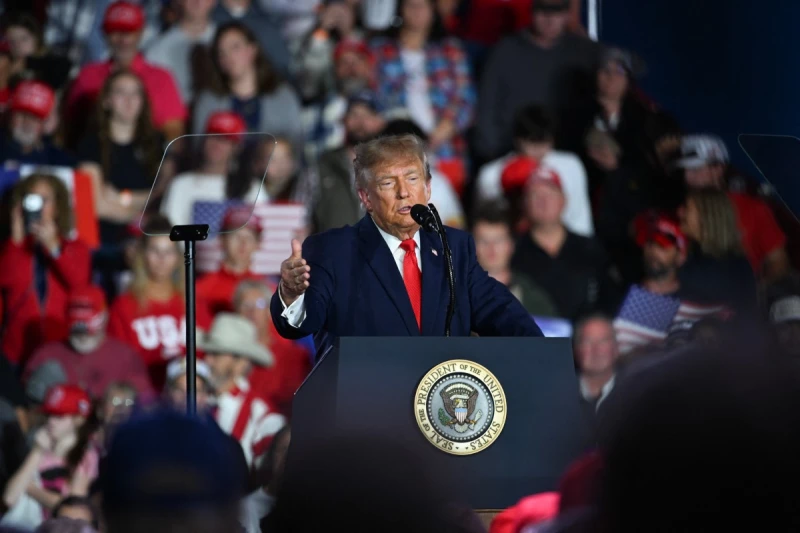
At a rally in Iowa later in the day, Trump said Washington may eventually have to “give them the hammer.”
In June 2025, the US targeted Iran’s nuclear facilities, namely Natanz, Fordow, and Isfahan, using American bunker-busting bombs and B-2 bomber aircraft.
The operation was called “Midnight Hammer.”
Trump’s remarks come as Iranian Supreme Leader Mojtaba Khamenei has warned that Iran's military would respond to any missteps by the US or Israel with a response that is "geographically unrestricted."
Iran's Armed Forces Chief of Staff Ali Abdollahi has also said his forces are "constantly updating our target database" in preparation.
The US and Israel launched strikes on Iran in late February, prompting retaliatory Iranian strikes across the region. Iran-aligned militias in the region also joined the fighting.
Washington and Tehran agreed to a ceasefire in April, largely halting hostilities, before reaching a memorandum of understanding (MoU) in June aimed at negotiating a permanent peace deal. The agreement collapsed 21 days later, as hostilities resumed and both sides targeted each other's interests in the region.
 Facebook
 LinkedIn
 Telegram
 X