
ERBIL, Kurdistan Region of Iraq – France on Monday expressed confidence that the EU would approve a new wave of sanctions against Iran by next month over a major cyberattack in October targeting hundreds of supermarkets in the country, saying “a vast majority” of EU member states support the initiative.
Last Monday, France accused Iran’s Islamic Revolutionary Guard Corps (IRGC) of being behind cyberattacks in mid-October that targeted more than 700 large retail outlets across the country, warning that Paris was determined to use “all available means of response.”
The cyberattack targeted supermarket refrigeration controllers deployed across the country, causing what France described as considerable material damage estimated at tens of millions of euros.
Soon after, Tehran denied the allegations.
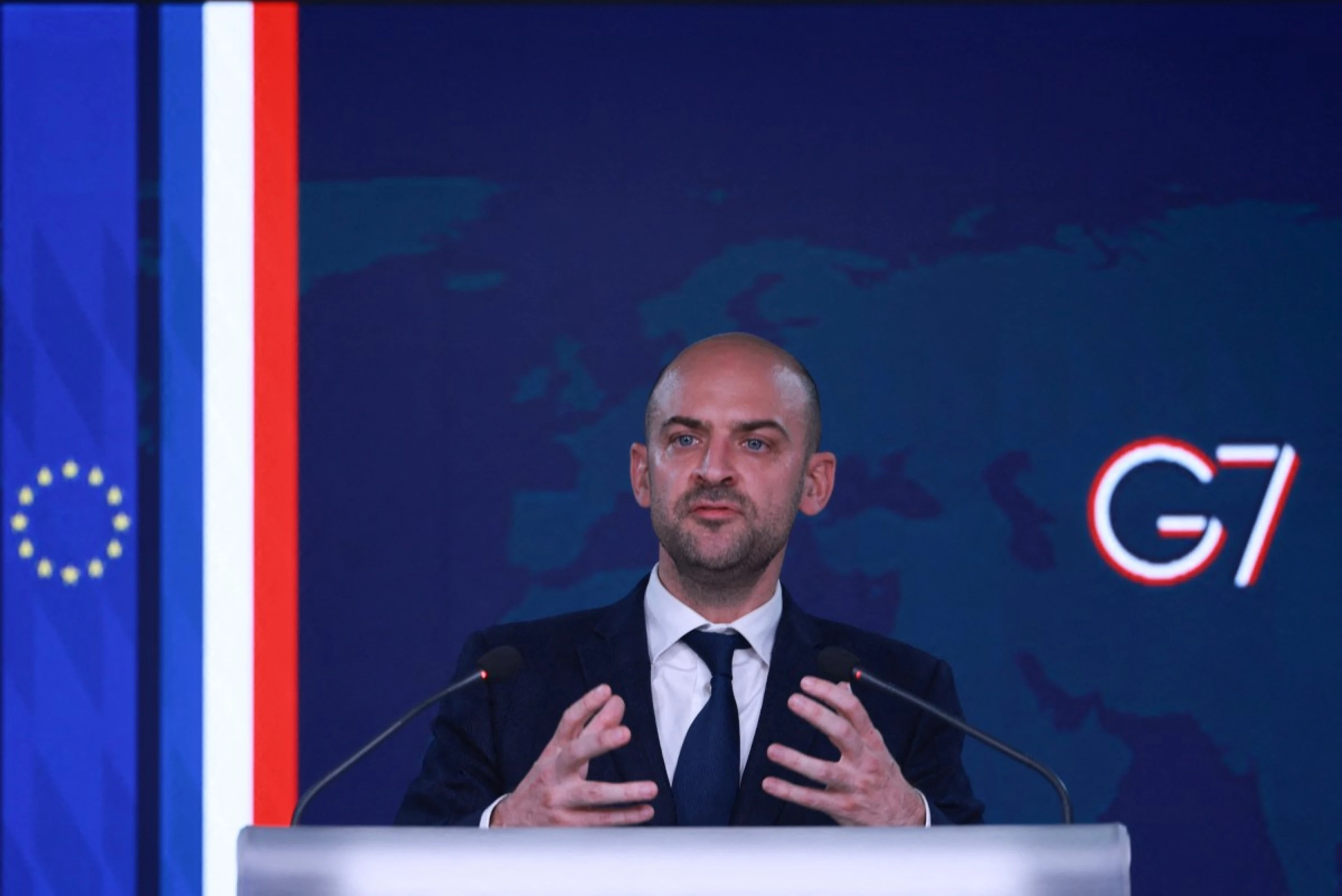
“I have come to Brussels today to present evidence concerning those primarily responsible for this extremely serious cyberattack, and to request that European sanctions be imposed against them within one month,” French Foreign Minister Jean-Noel Barrot told reporters on Monday.
The top diplomat said he has secured the support of “a vast majority” of EU member states to proceed with sanctions against Iran, expressing hope that the measures will be adopted at the bloc’s next meeting on December 14.
Paris attributed the cyberattack to the IRGC’s Shahid Kaveh offensive cyber unit, which has been accused of conducting cyberattacks in pursuit of the Islamic Republic’s interests over the years, with allegations raised by the US, Israel, the UK, and France.
On Tuesday, Iran denied French allegations linking Tehran to the October cyberattack, urging Paris to focus its resources on serving its people rather than alleged activities inside Iran under diplomatic cover.
Iran accused France of spending large budgets “on intervening in other countries, including by abusing diplomatic cover and seemingly cultural projects,” indirectly pointing to the July diplomatic rift between Tehran and Paris.
In July, France said that two officials from its embassy in Tehran were detained by Iranian security forces “without reason” for several hours and interrogated, claiming that one of them was “assaulted”, with Barrot describing the incident as an “extremely serious” act of intimidation by Tehran.
Tehran later denied the allegations as “baseless and false,” claiming that they were involved in a meeting with “security suspects.”
Iran also closed the French Language Center (CLF) in Tehran in late September, accusing it of activities that were “threatening national security,” undermining the country’s cultural norms, and facilitating the identification and departure of Iranian elites from the country.
France’s foreign ministry condemned the center’s closure in the “strongest possible terms,” noting that attacks on French cultural activities and its diplomatic mission staff in Iran are “unjustifiable and unacceptable,” and that France will take “appropriate measures in response.”
 Facebook
 LinkedIn
 Telegram
 X