
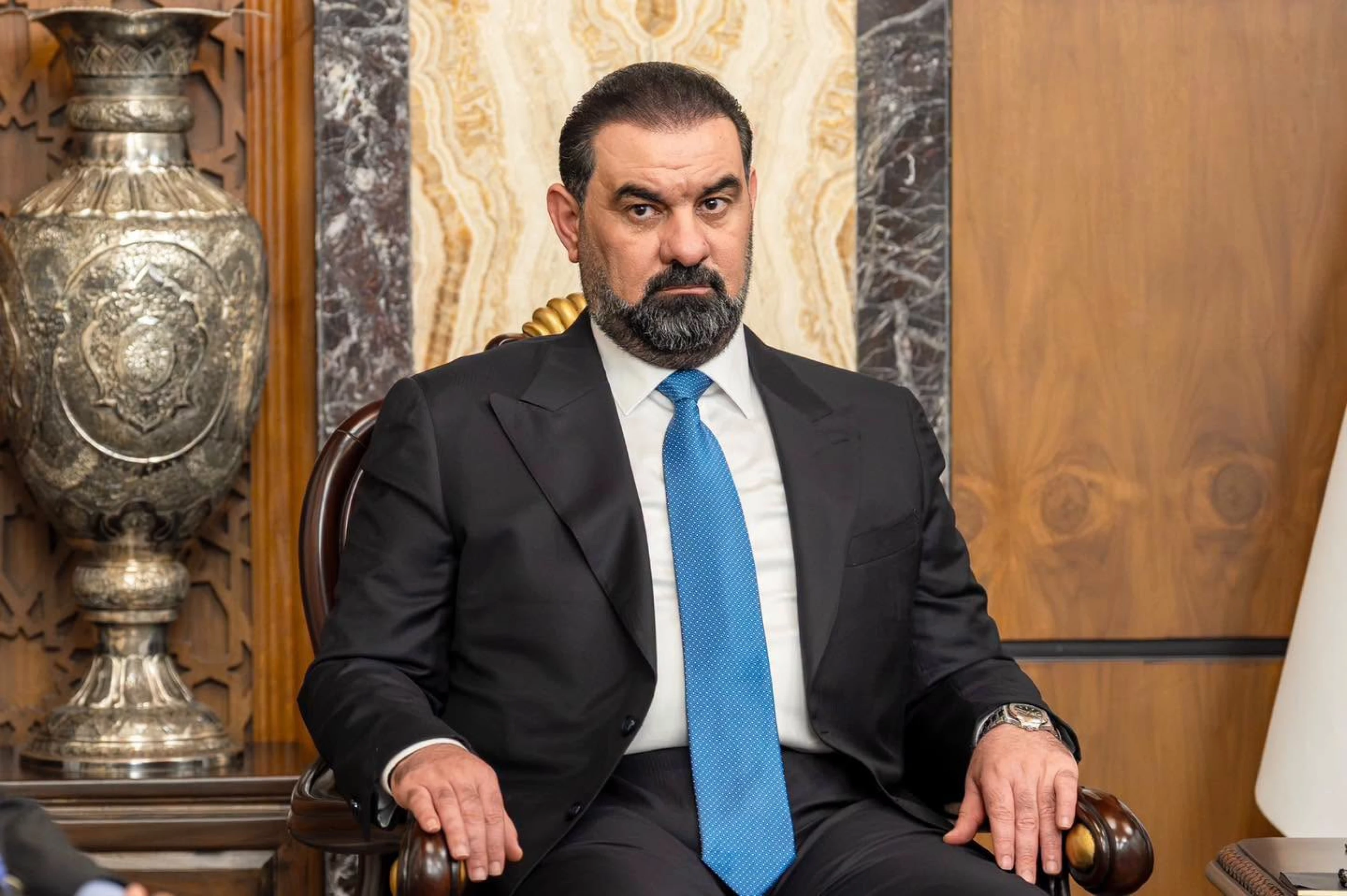
ERBIL, Kurdistan Region of Iraq – Iraqi parliament speaker Mohammed al-Halbousi on Tuesday called on both Baghdad and Erbil to refrain from escalatory language amid rising tensions, stressing that all disputes should be resolved through the judiciary.
Iraqi Prime Minister Ali al-Zaidi on Tuesday directed Iraqi security forces to enter the Kurdistan Region and set up checkpoints across the Region’s provinces, and instructed Iraq’s Border Ports Authority to take control of the Region’s border crossings.
The move, which also would also entail Iraqi forces assuming control of the oil fields in disputed areas held by the Kurdistan Region and the closing of all unofficial crossings between the Region and neighboring countries, as well as informal crossing routes between the Region and federal provinces, was met with surprise by Kurdish officials, with Kurdistan Region Prime Minister Masrour Barzani terming the directives “unacceptable”.
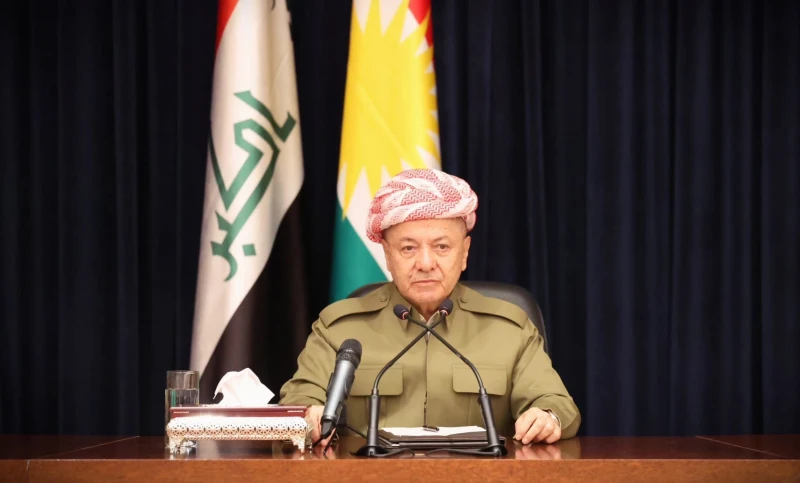
President Masoud Barzani also condemned the Iraqi government's “attempt to violate the principles of federalism and the Iraqi constitution” regarding the Kurdistan Region, vowing that Kurdistan “will not be subject to unconstitutional decisions.”
“We call upon all parties to prioritize the supreme national interest of the country, refrain from the rhetoric of escalation, which does not serve the interests of the Iraqi people, and work to resolve disputes within constitutional and legal frameworks,” read a statement from Halbousi.
The parliament speaker added that all disputes between the federal government and regional governments in Iraq must be referred to the Federal Supreme Court, in accordance with Articles 93 and 94 of the constitution.
President Barzani, who has for years decried the Iraqi government’s failure to fully implement the provisions of the constitution and especially those relating to the Kurdistan Region and disputed territories, on Tuesday reiterated that the lack of implementation has resulted in the rights of the Kurdish people being “violated day by day,” and emphasized that all sides must “hold on to the principles of the constitution.”
“We further stress that the Constitution is the supreme and pre-eminent law in the land, governing the work of all authorities, whether at the federal, regional, or local level. We will not permit any party to infringe upon the Constitution or shirk the obligations arising therefrom; no one is above the Constitution and the law, and there is no room for selectivity in applying their provisions,” the Halbousi statement added.
The Kurdistan Democratic Party (KDP) and Patriotic Union of Kurdistan (PUK), the Region's ruling parties, issued a joint statement rejecting any moves by Baghdad that violate the Iraqi constitution, stressing that this constitutes a “red line.”
Since assuming the premiership, Zaidi has made the expansion of Iraqi state sovereignty a staple of his government, though his directives regarding the Kurdistan Region mark an unprecedented push for control in what is a constitutional entity under Iraq's federal system.
Kurdish authorities have long bemoaned efforts by Baghdad to diminish its effective status as such, with issues such as budgetary allocations, public sector salaries, domestic revenues, oil exports, and the implementation of the ASYCUDA customs system at the Kurdistan Region’s border crossings having plagued Erbil-Baghdad relations for years.
The recent dispute comes amid ongoing negotiations between Erbil and Baghdad over the Kurdistan Region’s allocation in the 2027 federal budget. The initial budget draft allocated the Region 12.68 percent of federal spending, while the KRG maintains that its share should reflect its 14.14 percent proportion of Iraq’s population.
Halbousi on Tuesday claimed that the parliament is committed to passing a “fair and equitable” budget which “guarantees the rights of all and achieves justice in the distribution of resources and wealth among all citizens of the Iraqi people, without discrimination.”
Following the reactions from Kurdish authorities, the Iraqi prime minister’s office doubled down on the plans to expand control in the Kurdistan Region, saying in a statement early Wednesday that managing Iraq’s affairs and “exercising its authority throughout its territory are an inherent right of its constitutional institutions and a responsibility for which the government is accountable to the Iraqi people.”
 Facebook
 LinkedIn
 Telegram
 X