
ERBIL, Kurdistan Region of Iraq – The Kurdistan Regional Government (KRG) on Wednesday described the Iraqi government’s stated aim to expand control in the Region as “a dangerous sign,” and called for the full implementation of the 2005 Iraqi constitution.
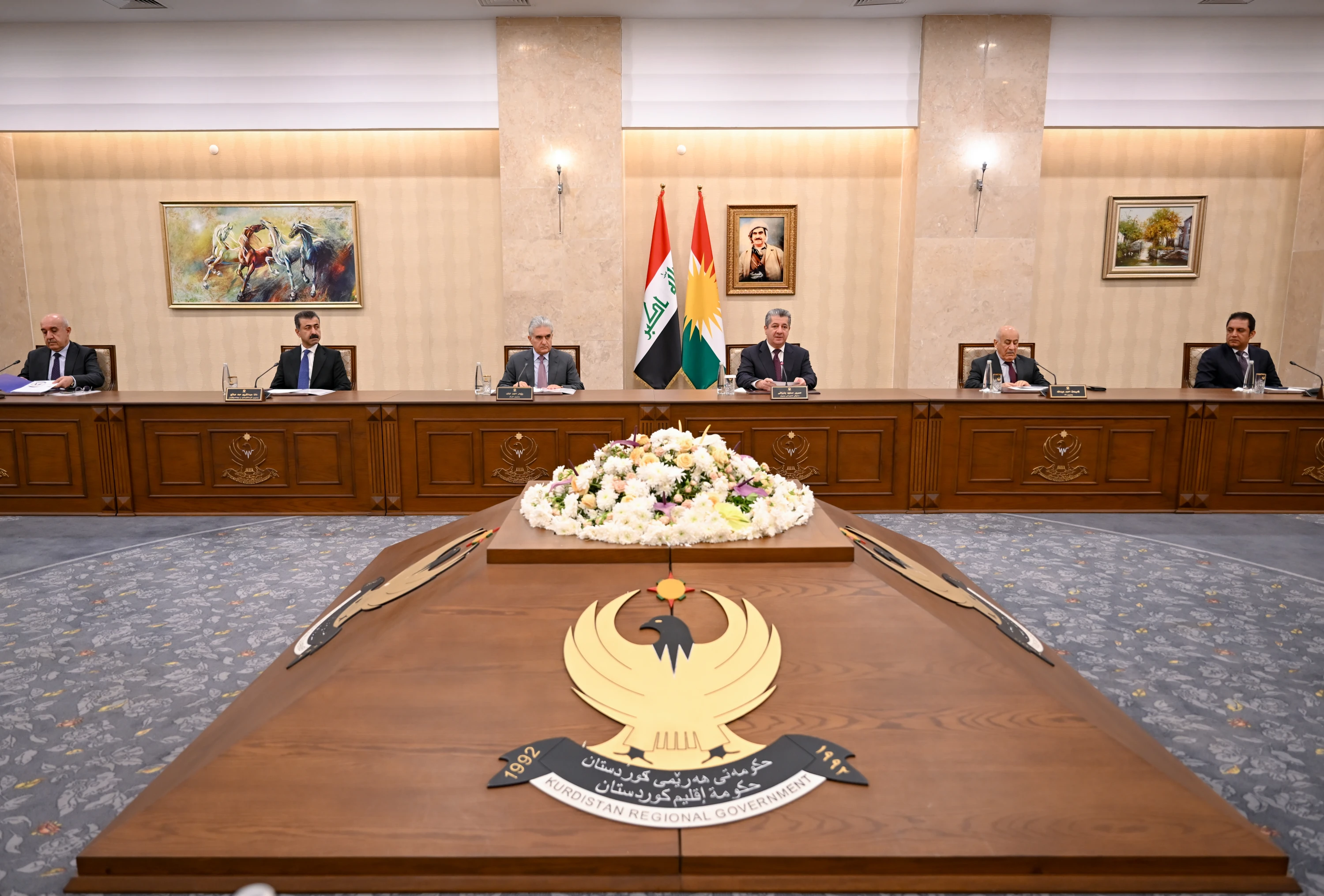
The Kurdistan Region’s Council of Ministers held its weekly meeting on Wednesday, chaired by Prime Minister Masrour Barzani, to discuss Erbil’s official stance regarding the recent directive by Iraqi Prime Minister Ali al-Zaidi for federal security forces to enter the Region and take control of its border crossings and oil fields in disputed areas.
The KRG cabinet expressed its “deep concern and protest” against the statement issued by Zaidi’s military spokesperson, calling it “a violation of the constitution and constitutional rights of the Kurdistan Region.”
“It is a dangerous sign of disbelief in the federal system and an attempt to return Iraq to a centralized regime, which is contrary to the Iraqi constitution,” said the KRG.
The statement further rejected the use of military language and threats by Baghdad, saying it signals “a premeditated and long-standing plan against the constitutional structure of the Kurdistan Region.”
The council reaffirmed that the Kurdistan Region has always supported efforts to combat corruption and cooperated with Baghdad in cracking down on graft, and called for “the eradication of corruption and oil smuggling throughout Iraq.”
The cabinet stressed that the issues between Erbil and Baghdad should be resolved “through dialogue and understanding within the framework of the constitution,” and reiterated its call for the full implementation of the constitution, especially Article 140, and the need to establish the Federal Council of Iraq.
The statement expressed appreciation for the people and political powers in the Kurdistan Region for their united front against the recent moves by Baghdad, urging Kurdish representatives in the federal government and parliament to “continue their national role in defending the rights of the Kurdish people.”
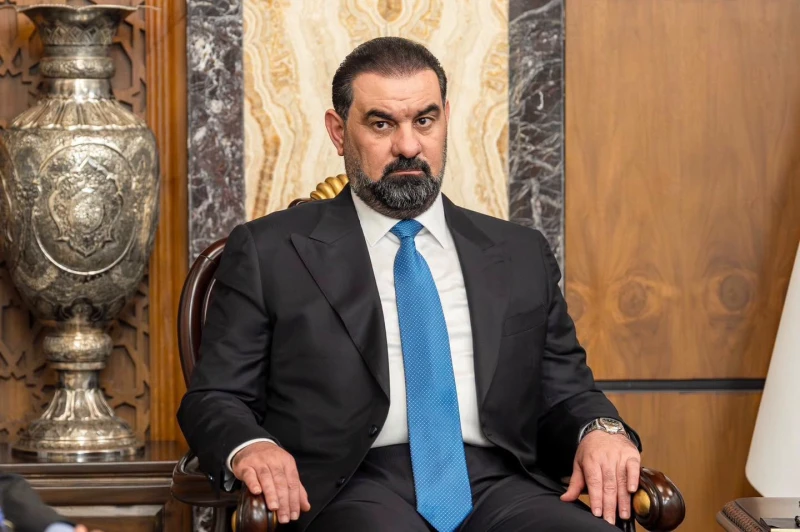
Iraqi Prime Minister Ali al-Zaidi on Tuesday directed Iraqi security forces to enter the Kurdistan Region and set up checkpoints across the Region’s provinces, and instructed Iraq’s Border Ports Authority to take control of the Region’s border crossings.
The move, which also would also entail Iraqi forces assuming control of the oil fields in disputed areas held by the Kurdistan Region and the closing of all unofficial crossings between the Region and neighboring countries, as well as informal crossing routes between the Region and federal provinces, was met with surprise by Kurdish officials, with Kurdistan Region Prime Minister Masrour Barzani terming the directives “unacceptable”.
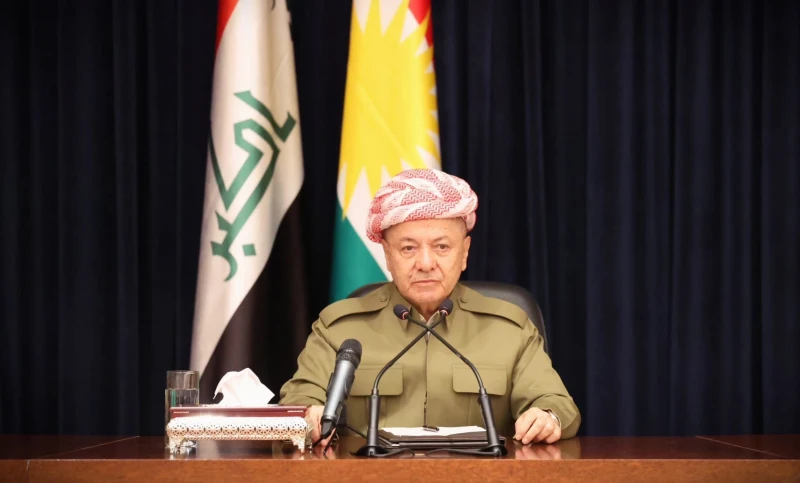
President Masoud Barzani also condemned the Iraqi government's “attempt to violate the principles of federalism and the Iraqi constitution” regarding the Kurdistan Region, vowing that Kurdistan “will not be subject to unconstitutional decisions.”
President Barzani, who has for years decried the Iraqi government’s failure to fully implement the provisions of the constitution and especially those relating to the Kurdistan Region and disputed territories, on Tuesday reiterated that the lack of implementation has resulted in the rights of the Kurdish people being “violated day by day,” and emphasized that all sides must “hold on to the principles of the constitution.”
The Kurdistan Democratic Party (KDP) and Patriotic Union of Kurdistan (PUK), the Region's ruling parties, issued a joint statement rejecting any moves by Baghdad that violate the Iraqi constitution, stressing that this constitutes a “red line.”
The Kurdistan Region’s Judicial Council also described the recent move by Baghdad as “dangerous and worrying,” and called on the federal government to find a constitutional solution to its issues with Erbil
“The Iraqi Constitution clearly defines the relationship and the distribution of rights and powers between the Kurdistan Region and the Iraqi Federal State. Therefore, the problems should be resolved based on the constitution and law and respect for dialogue and agreements, not the language of violence that does not serve any party and endangers the peace and stability of Iraq,” read a statement from Abdul Jabbar Aziz Hassan, head of the Kurdistan Region Judicial Council.
Since assuming the premiership, Zaidi has made the expansion of Iraqi state sovereignty a staple of his government, though his directives regarding the Kurdistan Region mark an unprecedented push for control in what is a constitutional entity under Iraq's federal system.
Following the reactions from Kurdish authorities, the Iraqi prime minister’s office doubled down on the plans to expand control in the Kurdistan Region, saying in a statement early Wednesday that managing Iraq’s affairs and “exercising its authority throughout its territory are an inherent right of its constitutional institutions and a responsibility for which the government is accountable to the Iraqi people.”
 Facebook
 LinkedIn
 Telegram
 X