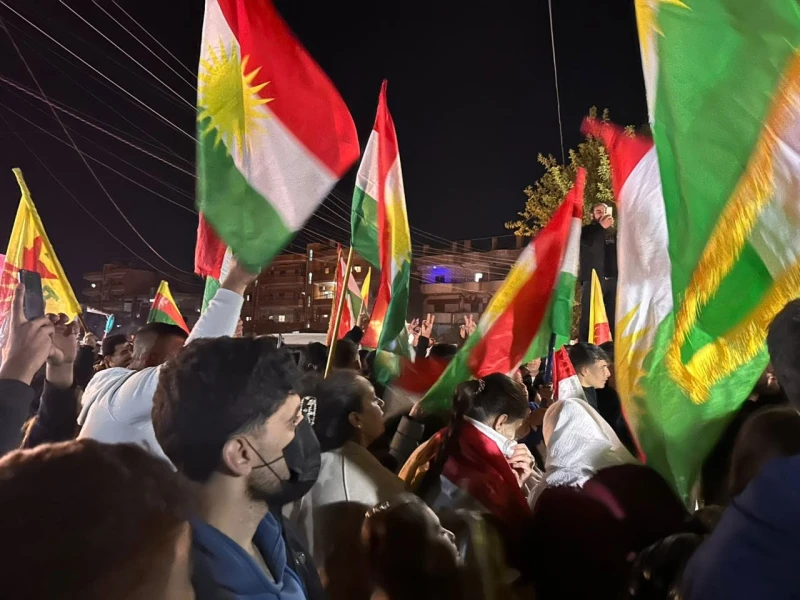

ERBIL, Kurdistan Region of Iraq – Iraq’s judiciary chief Faiq Zidan will convene a “national dialogue” on December 1 consisting of the country’s four presidencies and “relevant stakeholders and other supporting parties” in a bid to resolve tensions between Baghdad and Erbil per the constitution, the prime minister’s office said.
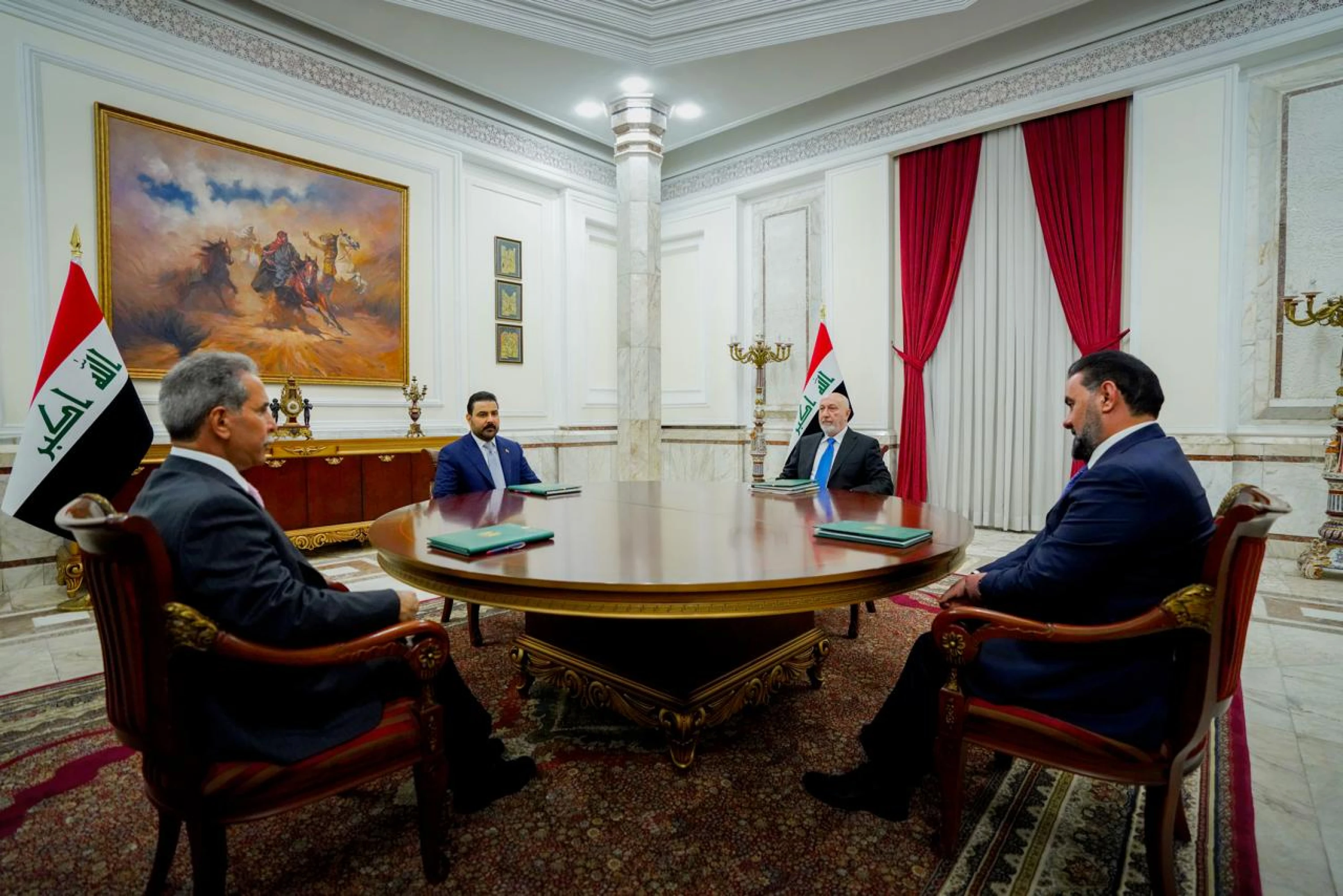
A four-way meeting was held at the Iraqi Presidency on Wednesday evening between President Nizar Amedi, Prime Minister Ali al-Zaidi, Parliament Speaker Haibat al-Halbousi, and Faiq Zidan, president of the Supreme Judicial Council.
The meeting came amid heightened tensions between the Iraqi federal government and the Kurdistan Regional Government (KRG) after Zaidi directed Iraqi forces to take over Kurdish-controlled oil fields in the disputed territories, establish checkpoints inside the Kurdistan Region, and take control of border crossings.
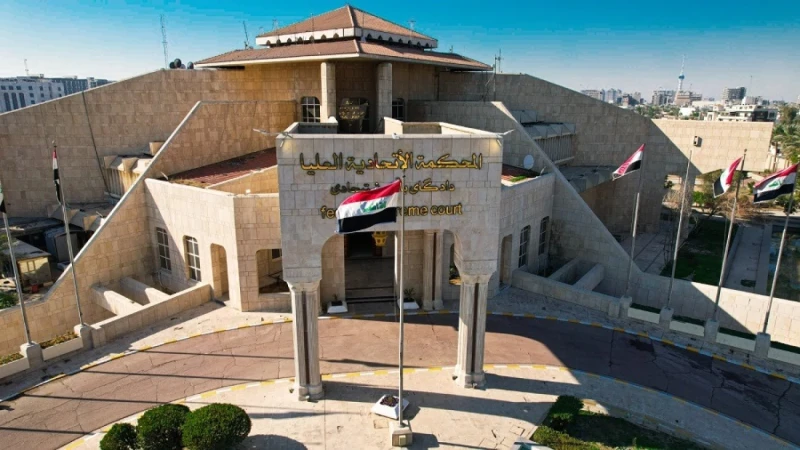
Kurdish authorities have vehemently condemned Zaidi’s move, deeming it a violation of the Kurdistan Region’s constitutional rights. On Wednesday, the Iraqi Federal Supreme Court ruled that Zaidi’s directives are “constitutional.”
“The participants welcomed the initiative by the President of the Supreme Judicial Council to convene a national dialogue – under his auspices – on December 1, 2026,” said a statement from Zaidi’s office.
“The dialogue will include the four presidencies, along with relevant stakeholders and other supporting parties, with the aim of resolving the constitutional crisis between the federal government and the Kurdistan Regional Government of Iraq in accordance with the constitution,” according to the statement.
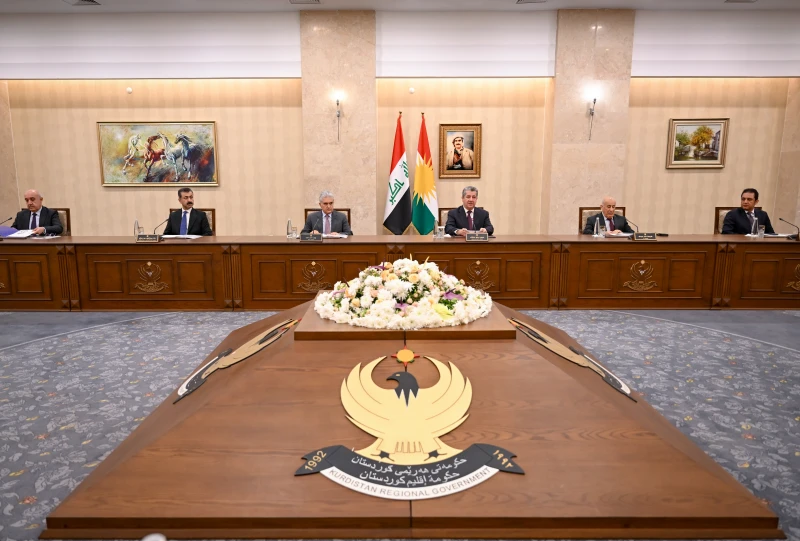
The Kurdistan Region’s Council of Ministers met on Wednesday, chaired by Prime Minister Masrour Barzani, and described the Iraqi government’s stated aim to expand control in the Region as “a dangerous sign,” calling for the full implementation of the 2005 constitution.
During the meeting, the KRG expressed its “deep concern and protest” against the statement issued by Zaidi’s military spokesperson, calling it “a violation of the constitution and constitutional rights of the Kurdistan Region.”
The KRG cabinet further rejected the use of military language and threats by Baghdad, saying it signals “a premeditated and long-standing plan against the constitutional structure of the Kurdistan Region.”
 Facebook
 LinkedIn
 Telegram
 X