
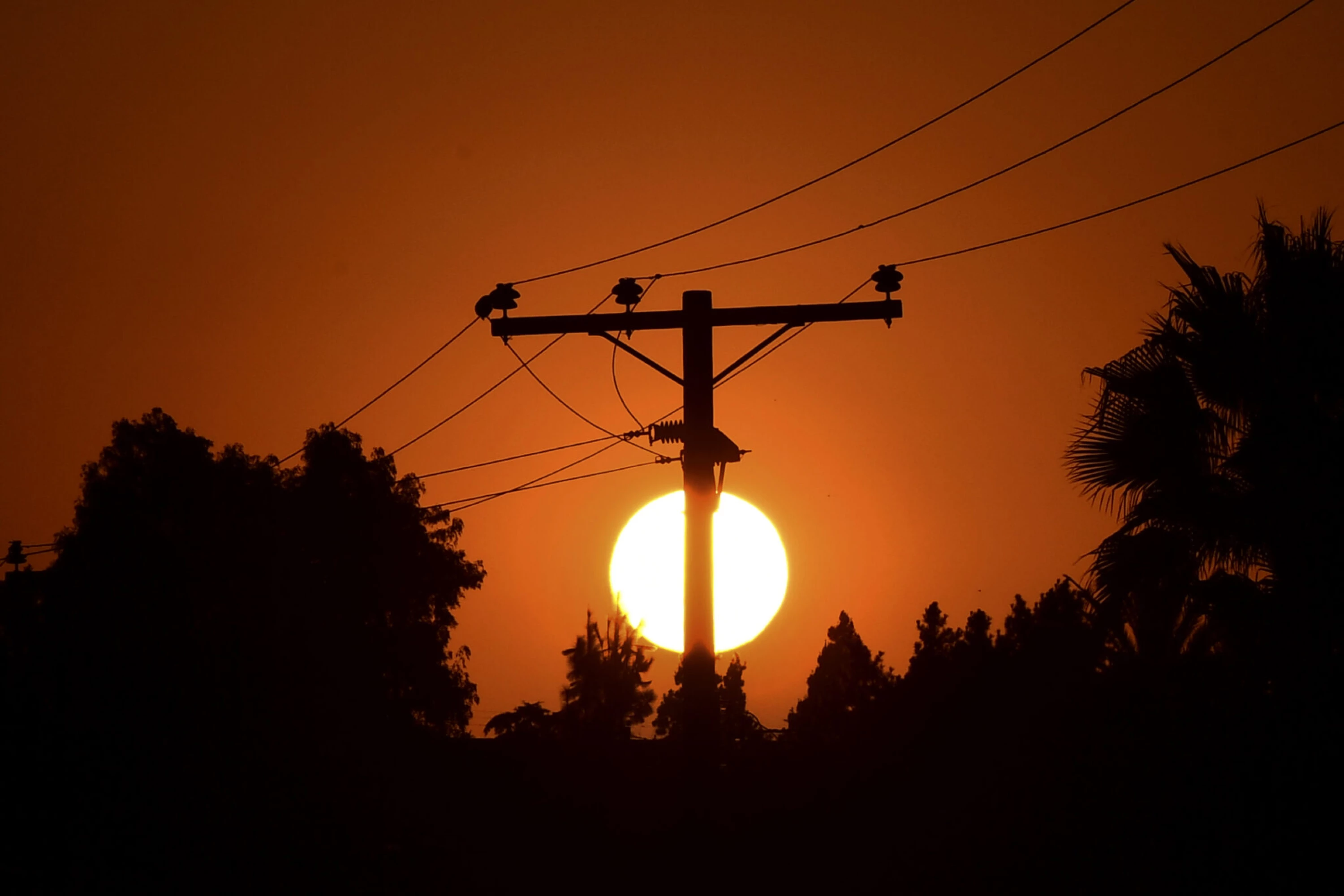
ERBIL, Kurdistan Region of Iraq - Iraq generates about 98 percent of its electricity from fossil fuels, leaving renewable energy at the margins amid production costs that have reached 5.6 trillion Iraqi dinars ($4.3 billion) up to September, an environmental watchdog said Saturday.
In a statement, the Eco Iraq Observatory said renewable energy, including hydropower and solar, contributes no more than 2 percent of Iraq’s total electricity output. The group warned that the heavy dependence on fossil fuels carries serious environmental and economic risks.
The observatory said Iraq is among the countries with the lowest electricity prices in the world, with tariffs ranging from 1.5 to 4.6 US cents per kilowatt-hour. That ranks Iraq seventh globally and second in the Arab world for low power prices, according to the statement.
Electricity production costs up to September 2025 totaled 5.6 trillion dinars, the group said. Peak power generation currently stands at about 28,000 megawatts, while meeting actual demand would require around 50,000 megawatts.
According to Eco Iraq, electricity production is dominated by fossil-fuel sources. Investment power plants account for 36 percent of output, gas-fired plants for 35 percent, and steam power plants for 19 percent.
Imported electricity makes up about 6 percent, supplied from the Kurdistan Region as well as Iran, Jordan, and Turkey, while diesel-powered plants contribute roughly 2 percent.
The observatory said achieving full electricity self-sufficiency would require wide-ranging reforms, including reducing wasteful consumption, curbing illegal connections to the grid, and upgrading transmission and distribution networks.
It also criticized what it described as weakness and negligence by authorities responsible for the electricity sector, saying these failures continue to cause repeated power outages across Iraq.
The Kurdistan Region's round-the-clock electricity initiative, the Runaki Project, has sought to diminish the environmental impact of private, diesel-powered generators that are highly polluting.
"The KRG [Kurdistan Regional Government] plans to phase out over 7,000 generators by the end of 2026," a prior KRG statement asserted.
Speaking at the annual TEDxNishtiman event in Erbil, Kurdistan Region Prime Minister Masrour Barzani said that "no one believed that we could, in such a short time, provide 24-hour electricity to the Kurdistan Region," contrasting the project's successes in Kurdistan with the sluggishness of similar initiatives in the rest of Iraq, saying that the federal government "has provided over 200 billion dollars for 24-hour electricity, but they are still unable to do that."
 Facebook
 LinkedIn
 Telegram
 X
X