ERBIL, Kurdistan Region of Iraq - The United Nations said on Friday that famine conditions in the Gaza Strip have been pushed back following improved humanitarian and commercial access after the ceasefire declared in October, but warned that hunger and malnutrition remain at dangerously high levels across the territory.
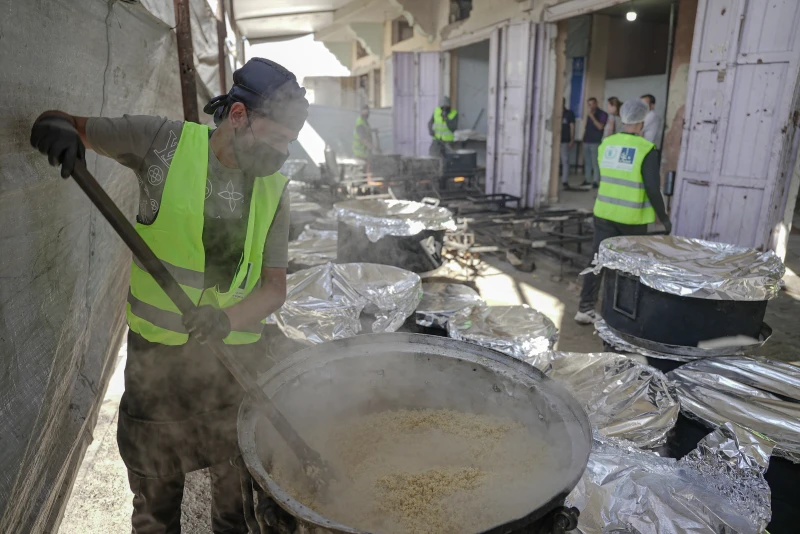
A UN-backed Integrated Food Security Phase Classification (IPC) analysis found that no areas of Gaza are currently classified as being in famine, compared with August 2025, when famine conditions were detected. The improvement was attributed to increased aid flows and access since the ceasefire.
The UN-backed global initiative classifies the severity of food insecurity into five different categories, with Phase 5 Catastrophe/Famine being the severest form, followed by Phase 4 Emergency, then Phase 3 Crisis.
Despite this progress, the IPC said the majority of Gaza’s population continued to face acute food insecurity during October and November.
More than 500,000 people were living in emergency conditions (IPC Phase 4), while over 100,000 were experiencing catastrophe-level hunger (IPC Phase 5).
"The IPC analysis projects that through mid-April 2026, around 571,000 people will remain in emergency conditions, while approximately 1,900 people are expected to continue facing catastrophe-level hunger," a UN News report on the matter asserted.
However, it warned that under a worst-case scenario, including renewed hostilities or a halt in humanitarian and commercial inflows, the entire Gaza Strip could again face famine within months.
Acute malnutrition remains critical in Gaza province and serious in Deir al-Balah and Khan Younis, particularly among children and pregnant or breastfeeding women.
UN Secretary-General Antonio Guterres said the findings show improvement but stressed that the gains are fragile.
“Famine has been pushed back,” he said, adding that far more people are now able to access food, but warned that more than 1.6 million people, over three-quarters of Gaza’s population, still face extreme food insecurity and high malnutrition risks.
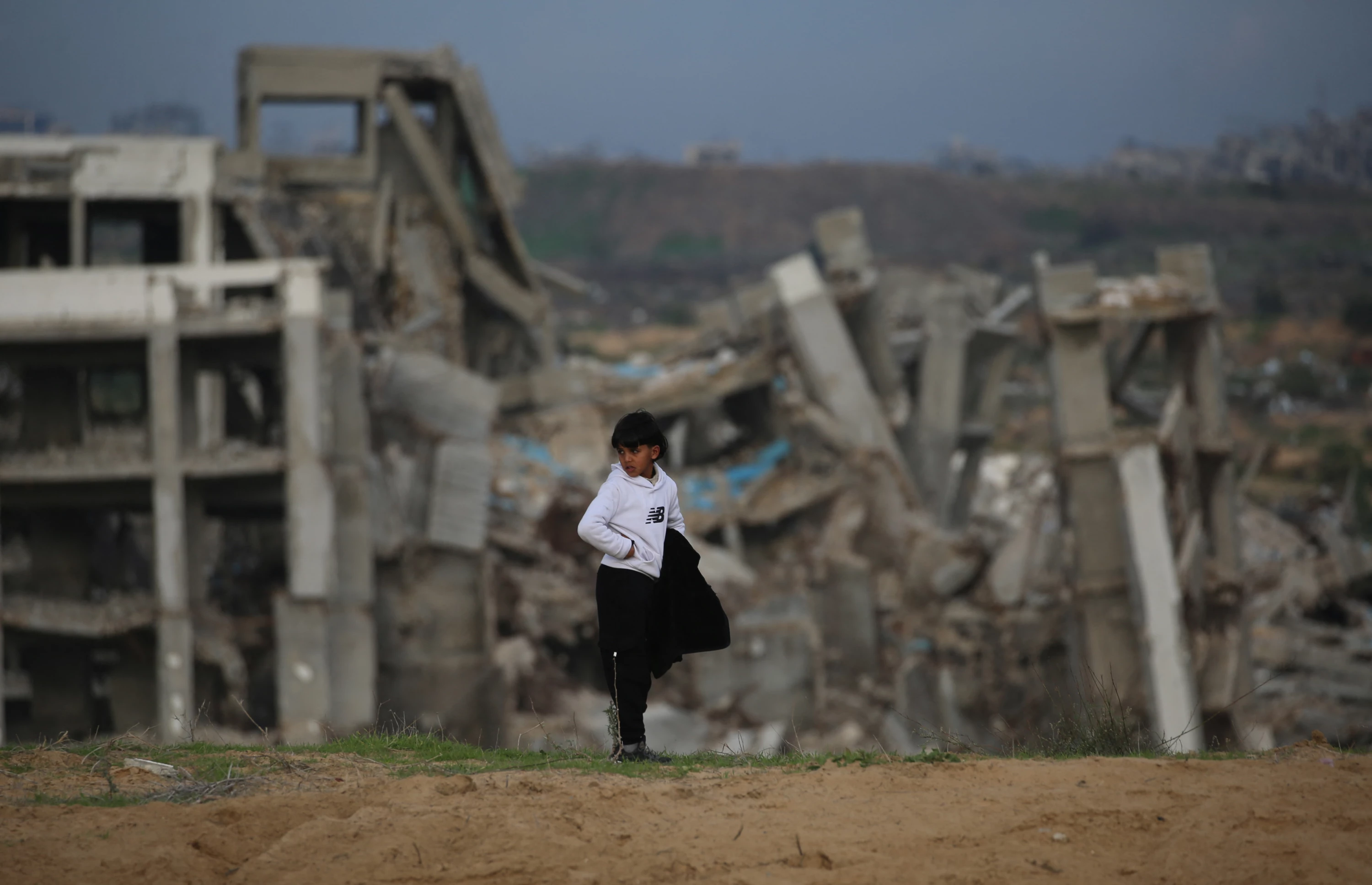
Guterres further called for a truly durable ceasefire, expanded access through border crossings, safe movement inside Gaza, and sustained funding, warning that without consistent aid delivery and rebuilding of essential services, Gaza’s food security situation could rapidly worsen again.
 Facebook
 LinkedIn
 Telegram
 X
X