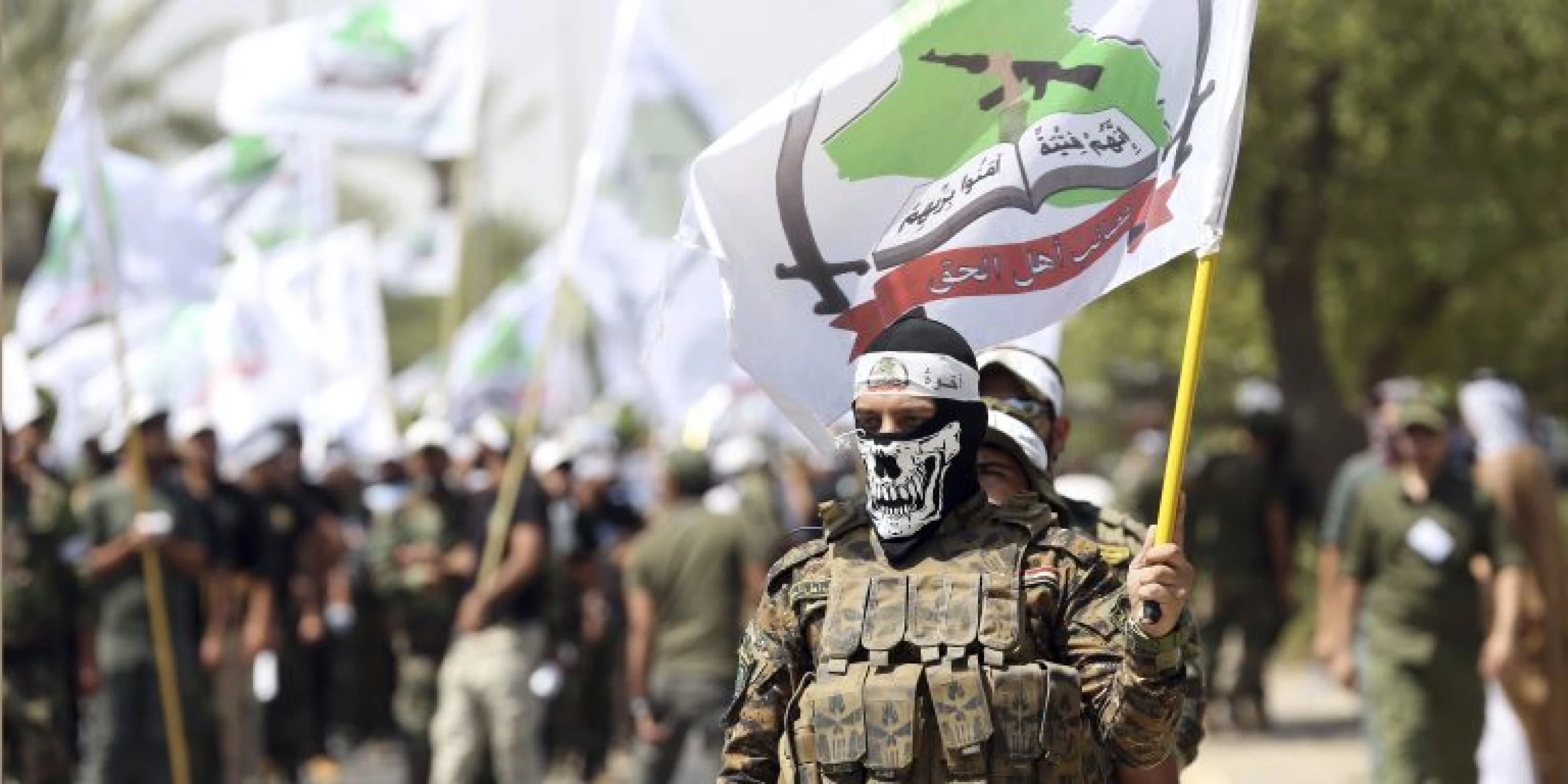
ERBIL, Kurdistan Region of Iraq – The Iran-backed Asaib Ahl al-Haq on Monday refused all calls for disarmament, amid reports of some pro-Iran factions in Iraq having agreed to drop their weapons and shift to political discourse with Baghdad under pressure from Washington.
Jawad al-Talibawi, spokesperson for Asaib Ahl al-Haq, sent a letter to the group’s leader Qais al-Khazali in which he stressed that “there is no place in our lexicon for surrendering weapons, renouncing resistance, or ignoring the plans of our enemies,” adding that the matter is a “doctrine of sovereignty.”
"Anyone who bets otherwise misunderstands us and the awareness and courage of our commander," the spokesperson said.
Faiq Zidan, President of Iraq’s Supreme Judicial Council, on Saturday announced that the leaders of some armed factions have adhered to his call to cease military action and confine weapons to the state.
The development comes amid intensified calls by Washington on Iraq to curb Iranian influence, pushing Iraq to dissolve all armed factions, including the state-integrated Popular Mobilization Forces (PMF).
With Talibawi's letter, Asaib Ahl al-Haq joins Kataib Hezbollah and Harakat al-Nujaba, two US-designated Iran-backed Iraqi militias, who also rebuffed the disarmament calls, saying they maintain the right to “resistance” as long as there are foreign forces present in the country.
AAH is a US-designated terrorist armed group due to its deep alliance with Iran and its involvement in attacking US personnel in Iraq on multiple occasions.
"We are protectors-builders, defenders of this homeland, always present to defend it and sacrifice our lives for it when necessary," the letter continued, "We are also builders of this homeland, walking the right path towards a strong Iraq and a successful state."
US Special Envoy to Iraq Mark Savaya on Monday welcomed the steps taken towards disarmament, while asserting that practical steps must be taken to implement the process, not just statements of intent.
On Monday, Iraq’s ruling Shiite Coordination Framework held a meeting in Baghdad. A statement following the meeting read that the umbrella coalition “reaffirmed its unwavering support for the state’s monopoly on the use of force.”
 Facebook
 LinkedIn
 Telegram
 X
X