
ERBIL, Kurdistan Region of Iraq – Iraq is seeking to increase its oil production quota within OPEC by around 300,000 barrels per day, a move that would see the country’s revenue reach 10 billion dollars annually, a senior financial advisor stated on Tuesday.
Mazhar Mohammed Saleh, financial advisor to Prime Minister Mohammed Shia’ al-Sudani, stated that Baghdad is seeking a “gradual and limited” increase in oil production, in a manner that does not pose a threat to the oil market within the OPEC framework.
The additional revenues that would be realized with the increase “could reach $10 billion annually,” according to the advisor, an amount that he argues will alleviate the fiscal deficit and reduce the “need for alternative financing tools with higher costs."
However, any modification of oil production quotas requires the prior approval of other OPEC member states, as they prioritize oil price stability.
The advisor stated that “Iraq's chances of obtaining approval appear viable but conditional,” requiring adherence to current production limits and presenting the increase proposal “as part of collective market management rather than an individual exception."
He noted that the increase is not a “permanent solution” to the financial challenges facing the country, but rather a temporary decision to ease “immediate pressures,” adding that sustainable solutions are needed in terms of “structural reforms, diversification of income sources, and reducing dependence on oil asset cycles.”
In November, Iraq declared self-sufficiency in the production of oil derivatives, with the premier directing the oil ministry to halt their imports.
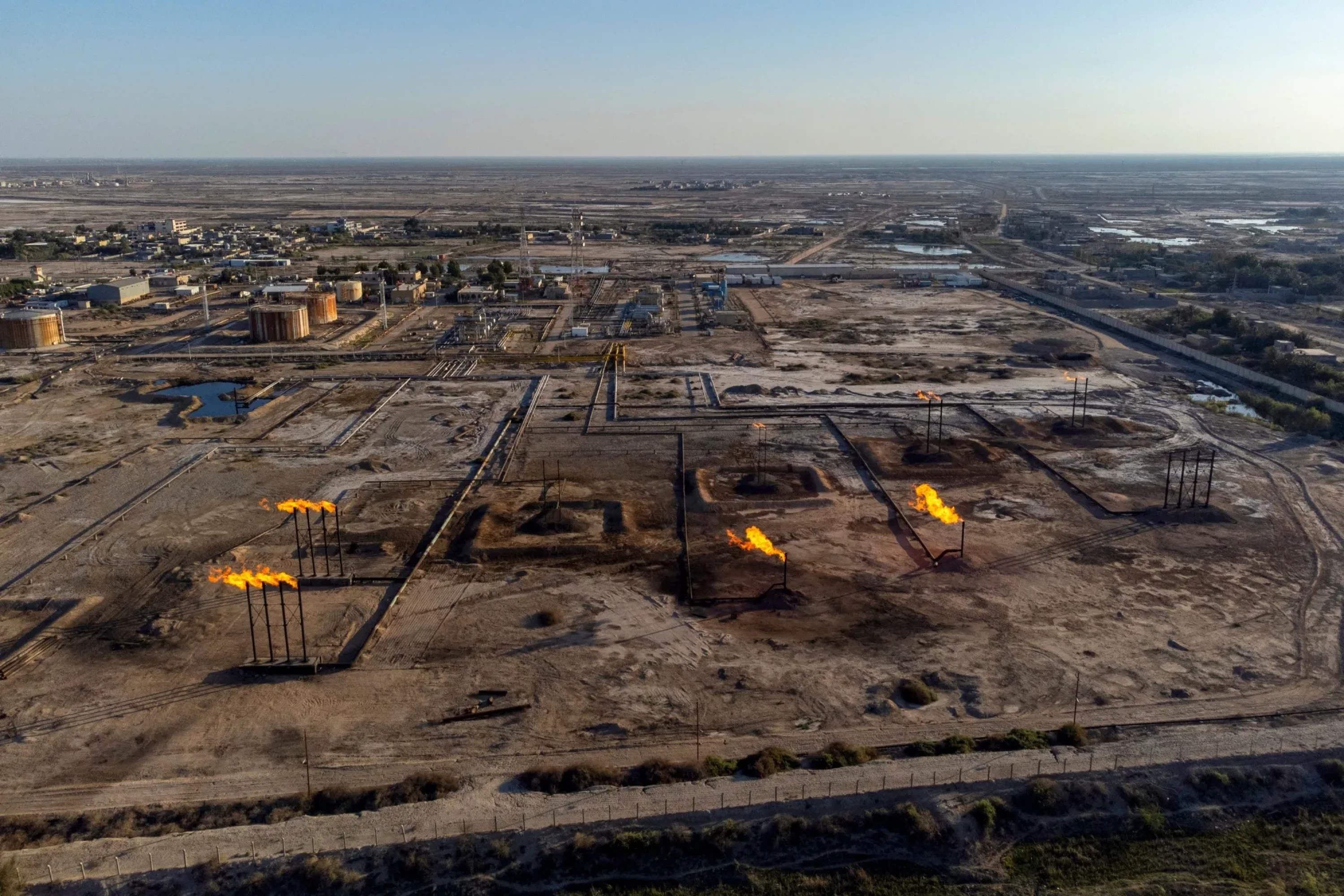
Iraq produces an average of 4.4 million barrels of oil per day – the second largest in OPEC after Saudi Arabia – and exports 3.3 million barrels of that number, while nearly 700,000 barrels are used domestically.
Oil sales provide more than 90 percent of Iraq’s revenue, and the state’s economy and spending are highly dependent on its oil sector.
 Facebook
 LinkedIn
 Telegram
 X
X