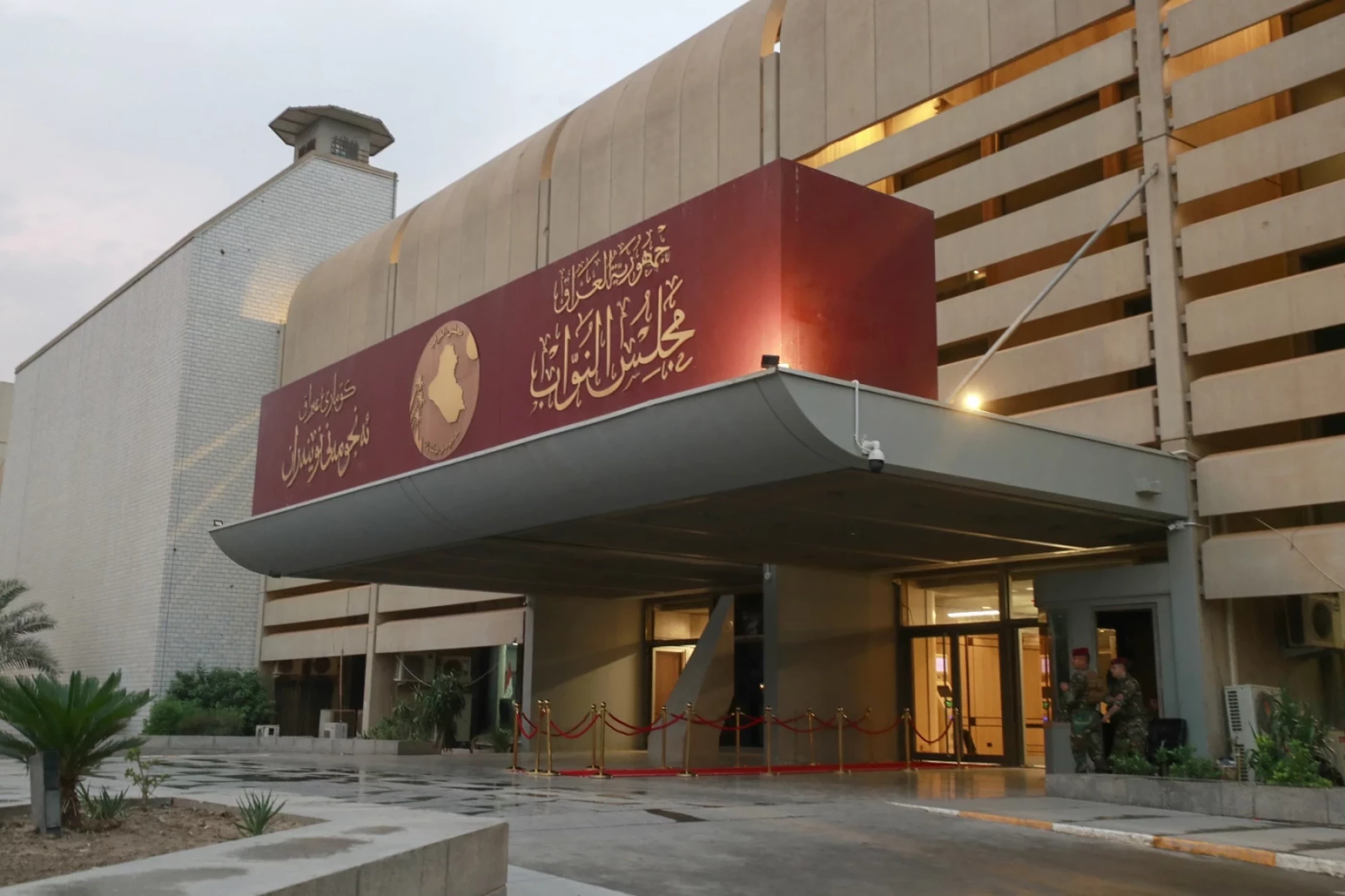
ERBIL, Kurdistan Region of Iraq - The Iraqi parliament postponed a Tuesday session to vote on the country’s next president, after the Kurdistan Region’s ruling parties requested more time to reach an understanding.
The decision came after the parliament’s media office reported that Speaker Haibat al-Halbousi had received requests from the Kurdistan Democratic Party (KDP) and the Patriotic Union of Kurdistan (PUK) to postpone the session, in order to “allow more time for understanding and agreement between the two parties.”
The parliament has not announced a new date for the session as of the writing of this article.
The session was scheduled to start at 11:00 am Tuesday, with 19 candidates vying for the top post.
The position, traditionally reserved for Kurds, is constitutionally required to be settled by the parliament within 30 days of the new legislature's first session, in this case January 28.
The Reconstruction and Development Alliance, led by Iraqi Prime Minister Mohammed Shia’ al-Sudani, on Tuesday said they have asked the parliament's speakership not to postpone the session, warning that any further delays will impact the constitutional timings to form the government.
The KDP has nominated current Foreign Minister Fuad Hussein, while the PUK has fielded former environment minister and head of its Baghdad office Nizar Amedi. The incumbent President Abdul Latif Rashid, a senior PUK member, is running independently. Lawmaker Muthanna Amin, meanwhile, is representing Kurdish opposition parties in the race.
Once the vote is completed, the elected president must select a prime minister-designate to form the government and present it to parliament within 30 days.
Iraq's ruling Shiite bloc, the Coordination Framework, announced that it had agreed on State of Law's Nouri al-Maliki to reassume the premiership for a third term earlier in the week, calling on the parliament to quickly hold its session to settle the presidency.
Iraq has often failed to honor the constitutional timeframes, as disagreements between rivaling blocs hinder the process, resulting in long delays and, at times, unrest in the country.
 Facebook
 LinkedIn
 Telegram
 X
X