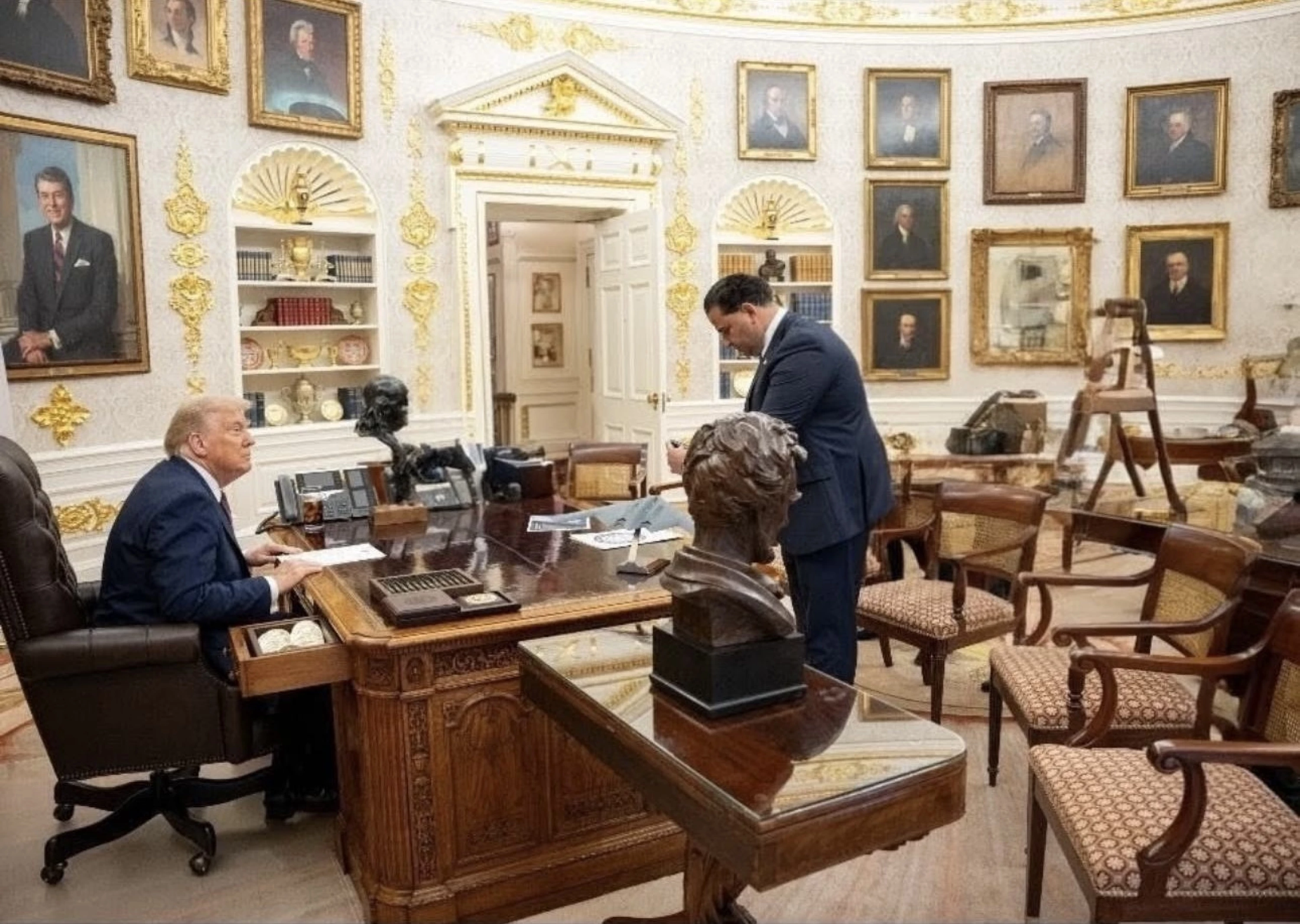
ERBIL, Kurdistan Region of Iraq – US Special Envoy to Iraq Mark Savaya on Tuesday stressed the importance of confronting the “corruption crisis” in Iraq, noting that Washington has “a comprehensive understanding” of individuals, including top officials, who have benefited from corrupt funds.
It is “critical to prepare for confronting the corruption crisis in Iraq,” Savaya wrote on X, asserting that the efforts must go beyond tracking laundered funds. “It must also identify where those funds went and how they were ultimately used.”
He noted that the US authorities “now have a comprehensive understanding of the individuals involved, including senior government officials,” who benefited from the corrupt funds.
The assets, according to the envoy, were not only used to purchase properties outside the country but also to “obtain foreign citizenships and passports,” in an effort to evade tracking and accountability.
Savaya argued that corruption “empowers terrorist groups and fuels terrorist activities across multiple countries,” confirming continued coordination with US Treasury and the Office of Foreign Assets Control (OFAC) to ensure accountability.
A week prior, the envoy warned of deep-seated “corruption networks” and suspicious financial activity within Iraq’s social structure that purportedly protect and sustain Iran-backed militias in Iraq.
Earlier in January, Savaya announced that the US Department of Treasury is set to review payment records and transactions of Iraqi entities suspected of having links to suspicious financial activities that fund “terrorist activities.”
Savaya's targeting of the militias and figures linked to suspicious financial activity has drawn intense backlash from Iran-linked militias, who accuse him of foreign interference in the country’s internal affairs and urge politicians against engaging with him.
Washington has ramped up efforts to curb Tehran’s influence in Iraq, particularly by targeting Iran-backed groups as well as financial entities and networks who finance the militias and the Iranian Islamic Revolutionary Guard Corps (IRGC).
The US Department of the Treasury in October announced the imposition of sanctions on the Muhandis General Company (MGC) and three Iraqi bank executives, accusing them of laundering money for the IRGC and Iran-backed armed groups in Iraq, including Kataib Hezbollah and Asaib Ahl al-Haq, in extension of the country’s “maximum pressure” campaign on Iran.
In the beginning of January, Savaya stated that Washington will work alongside Baghdad to ensure that 2026 marks the end of militias, uncontrolled weapons, and plundering resources in Iraq.
 Facebook
 LinkedIn
 Telegram
 X
X