ERBIL, Kurdistan Region of Iraq - Iraq’s continued failure to form a new government is beginning to carry financial and administrative consequences, as delays in resolving key constitutional posts stall progress on the federal budget and strain public services.
The ongoing disputes over the presidency and premiership have slowed the constitutional process required to move the budget forward, leaving ministries without the legal framework needed to expand spending beyond basic operations. Without a fully empowered government, the draft budget cannot be formally approved and submitted to parliament.
Lawmakers say the prolonged impasse is disrupting both the executive and legislative branches, complicating coordination and delaying critical fiscal decisions at a time when the country faces mounting service and development needs.
“The absence of a government with full powers is preventing the preparation and submission of the budget,” MP Ahmed Salem al-Saadi told the state-run al-Sabaah newspaper.
He warned that the delay is hindering investment and service projects and could affect salary disbursements, increasing pressure on citizens.
MP Siham al-Mousawi said ministries are currently limited to covering operational expenditures, restricting their ability to expand services or implement development plans.
“When the budget is suspended, ministries are confined to operational spending only,” she told al-Sabaah. “This slows project implementation, delays support programs for vulnerable groups and postpones vital infrastructure projects in the provinces.”
She added that the absence of a fully empowered government complicates strategic decision-making and places long-term development programs at risk.
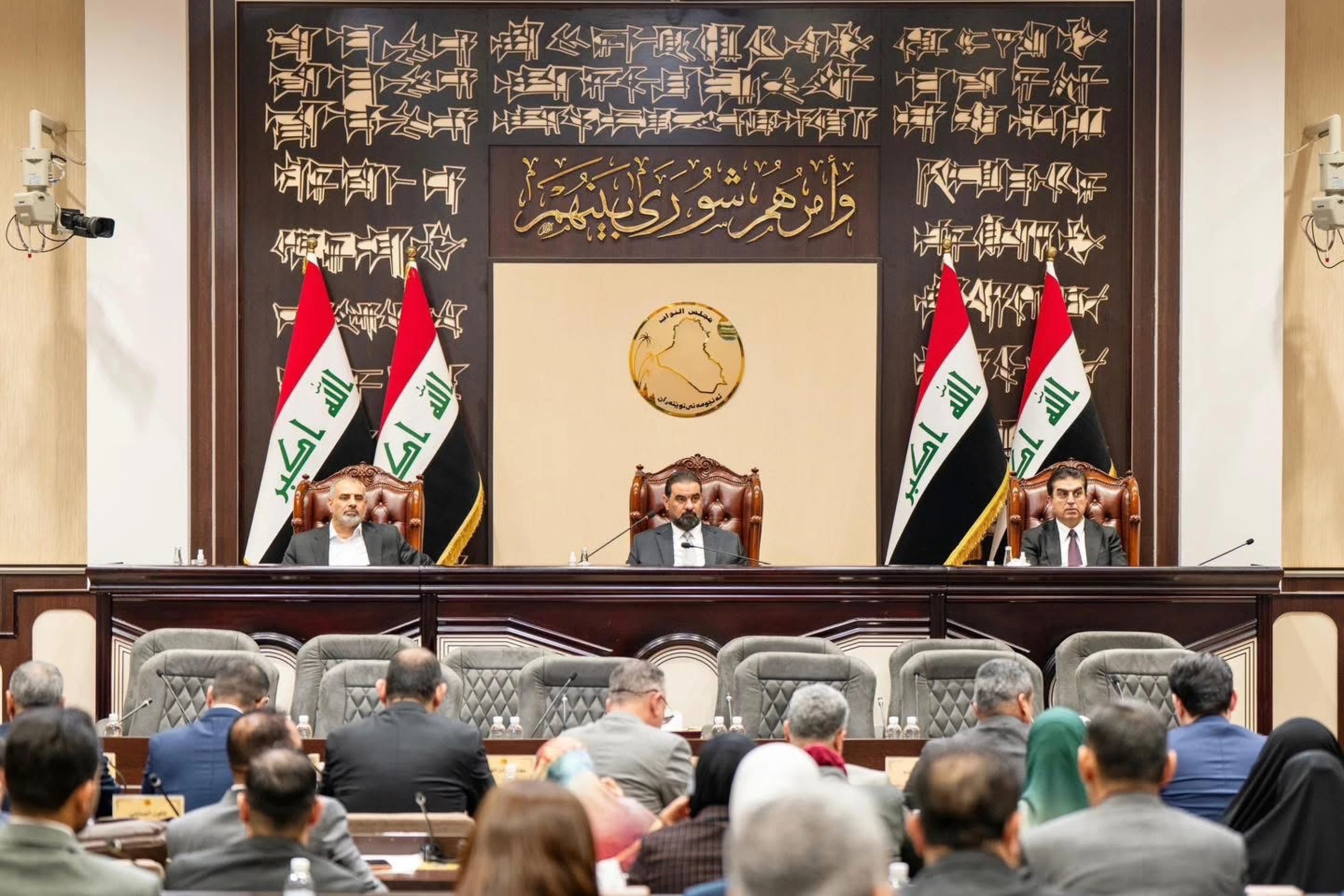
Iraq’s parliament has repeatedly failed to hold scheduled sessions to elect a new president, missing constitutional deadlines that require the completion of the process within 30 days of the first parliamentary session.
The delay comes as the Kurdistan Region’s ruling parties, the Kurdistan Democratic Party (KDP) and the Patriotic Union of Kurdistan (PUK), have failed to agree on a unanimous candidate for the Iraqi presidency - a role traditionally reserved for Kurds.
Iraq’s Sunni and Shiite powers have called for resolving the issue swiftly and respecting constitutional timelines, warning that continued paralysis of state institutions comes at a time of significant political, economic, and security challenges.
Additionally, the US’ rejection of Nouri al-Maliki’s nomination for prime minister has sparked concerns at home, with growing calls on the State of Law Coalition to withdraw his bid to avoid damage to Baghdad-Washington relations.
 Facebook
 LinkedIn
 Telegram
 X
X