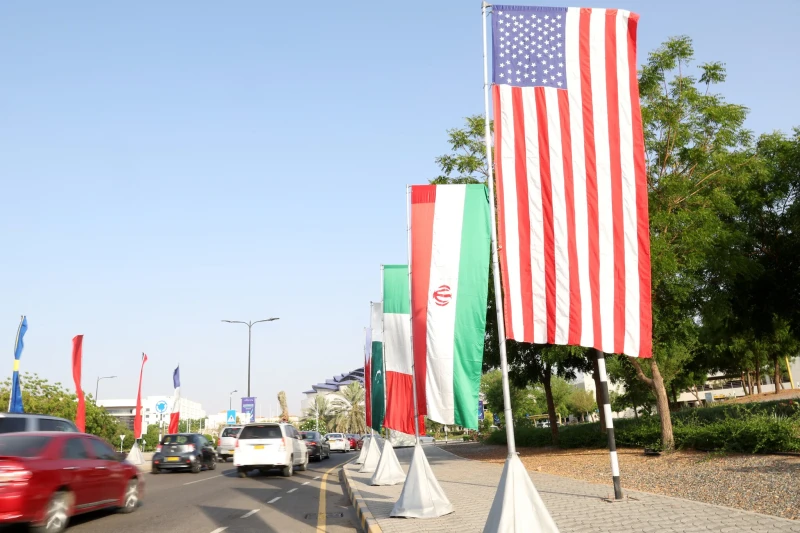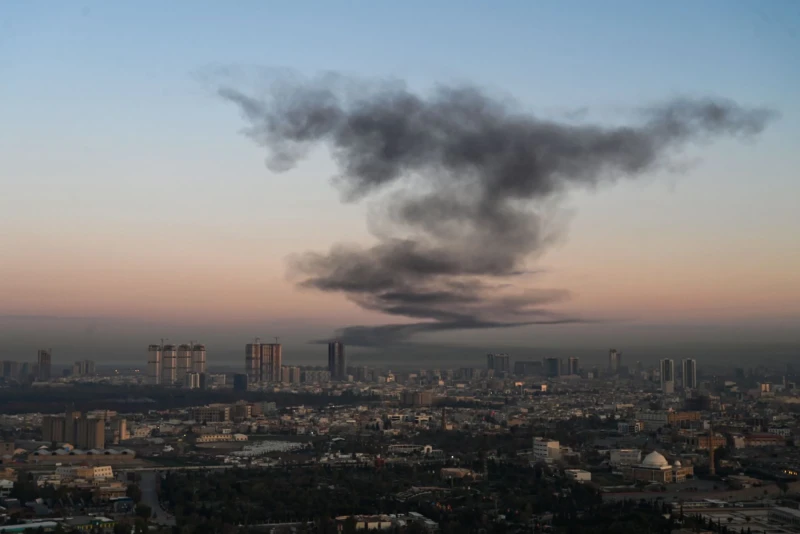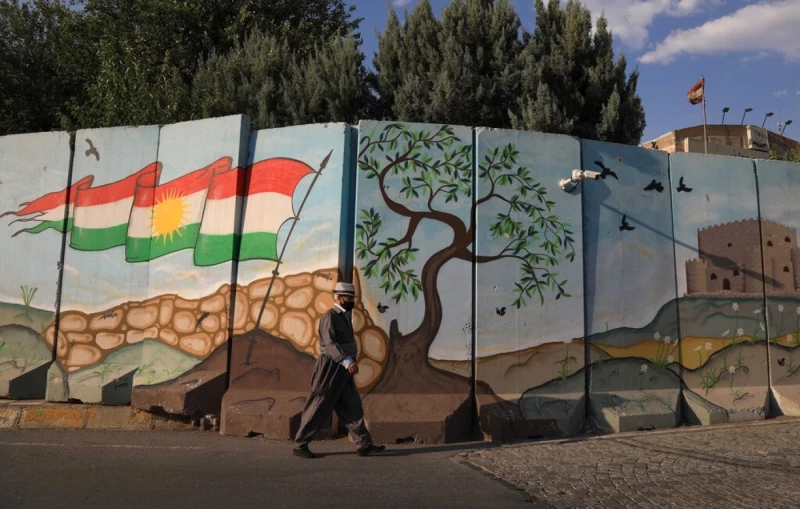
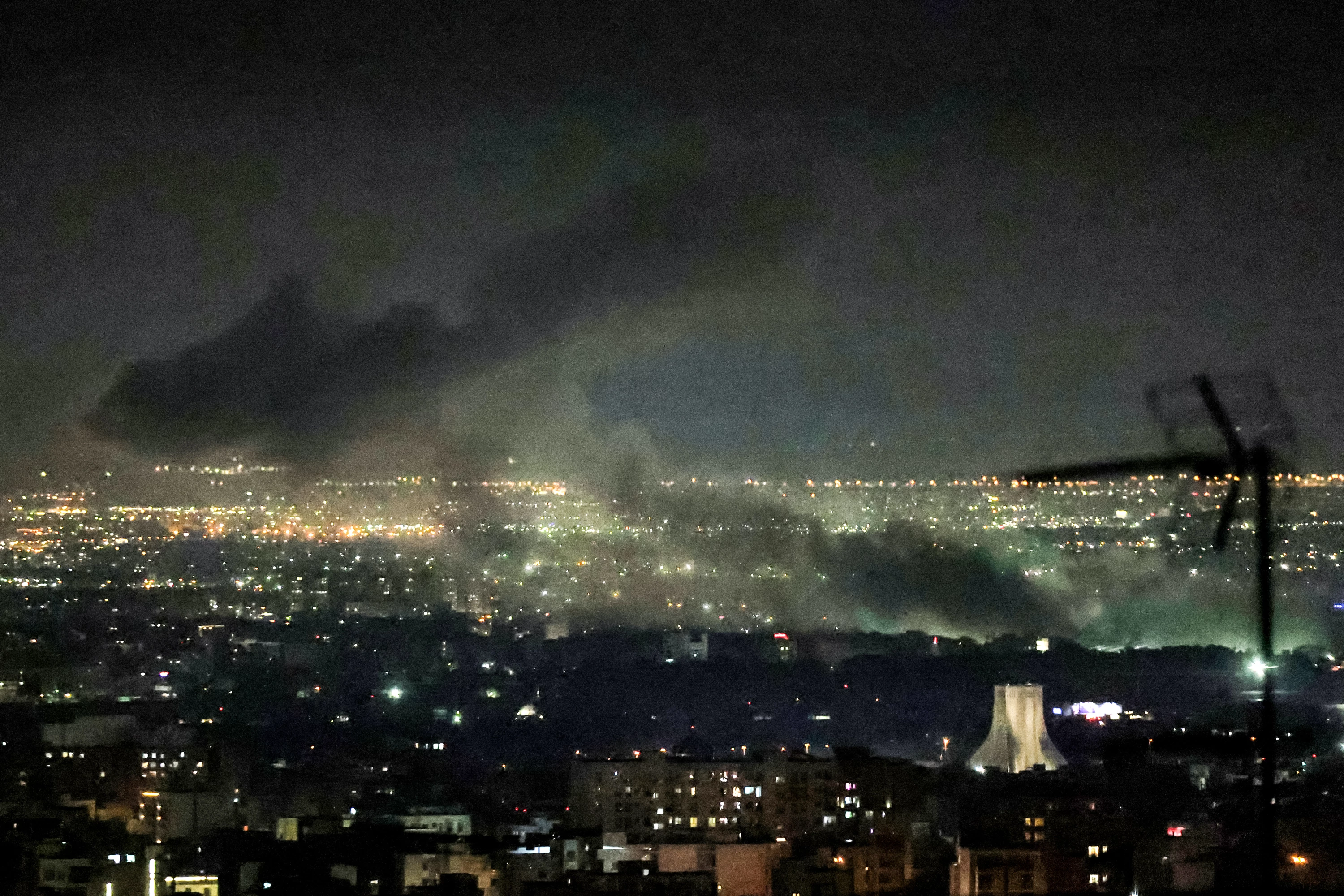
As the war between Iran on one side and the United States and Israel on the other moves well into its second week, the central question increasingly revolves around the endgame. What exactly are the US and Israel seeking? Regime change or collapse in Tehran? Behavioral change through capitulation or a negotiated arrangement that still allows the regime to save face? The trajectory of the war will ultimately depend on how these objectives evolve and how much pressure the main actors are willing to sustain to pursue them.
The key point at this stage is that Iran has demonstrated a far greater capacity for endurance than many observers expected. Despite extraordinary military pressure and intense firepower from the US and Israel, the Iranian state has remained operational and politically cohesive. Tehran has lost its supreme leader, Ayatollah Ali Khamenei, and again suffered major losses among the top ranks of its military leadership, similar to the decapitation strikes seen during the 12-Day War last June. Yet the regime has not collapsed. It has instead expanded the geographic scope of the confrontation by launching waves of drones and missiles toward targets across the region. By now, Iranian strikes or attempted strikes have reached as many as a dozen countries, including Cyprus, Turkey, and Azerbaijan.
Iranian decision-makers clearly understand that they lack the conventional military resources to sustain high-intensity warfare against the US and Israel. Their strategy, therefore, appears oriented toward a long-term attritional confrontation in which economic warfare plays the central role. Tehran has already managed to push global oil prices up by roughly 30 percent (although prices later dropped). By doing so, it signals that a sustained war against Iran will carry consequences that extend well beyond the battlefield. Rising energy costs and the ripple effects across global markets represent Iran’s most powerful leverage as it attempts to absorb the impact of US-Israeli military pressure.
The election of Mojtaba Khamenei as the new supreme leader of the Islamic Republic, combined with the sharp rise in oil prices, appears to have affected the mood in Washington. Remarks by US Secretary of State Marco Rubio on Monday defined the war’s objectives primarily as destroying Iran’s ability to launch missiles, the facilities producing them, and the Iranian navy. This formulation represents a significant narrowing of earlier rhetoric from US officials that spoke of regime change, or the destruction of Iran’s nuclear and missile programs, and the dismantling of its regional proxy network. Public statements must nevertheless be treated with caution. President Donald Trump has long demonstrated a preference for strategic ambiguity and surprise, keeping his intentions deliberately opaque as part of his style of politics.
Domestic political support will play a decisive role in determining the duration of the war. According to the latest polls, in the United States, only around one-third of the public currently supports the military campaign. In Israel, support stands at 82 percent. This divergence matters. It shapes the political tolerance for prolonged conflict and could gradually produce differences in how these two countries view the next phases of the war.
Based on what we have seen so far and the indicators emerging, several plausible scenarios could emerge in the coming days and weeks, but not necessarily in the order below.
The first scenario involves a decision in Washington to halt or sharply curtail the military campaign. Growing volatility in global markets, rising oil prices, and increasing opposition among US voters, as well as European and regional allies, could lead the US to conclude that the economic costs of the war outweigh its other benefits. Economy is what stings in domestic US politics, particularly ahead of midterm congressional elections. Washington could then push Israel toward a similar de-escalation.
A second scenario would involve a shift toward a lower-intensity but more protracted and strategically focused campaign. The US could concentrate on securing the Strait of Hormuz in order to guarantee the flow of global trade and energy. Roughly 20 to 25 percent of the world’s energy supply passes through this maritime corridor. A major US deployment aimed at protecting the strait could also halt Iranian oil exports and significantly reduce Tehran’s capacity to influence global markets.
While also deepening American involvement in the war, such a scenario would place enormous pressure on the Iranian regime. Its primary revenue stream would be constrained, key military and economic facilities could continue to face strikes, and high-value leadership targets might remain under constant threat. At the same time, ethnic-based political organizations in Iran’s Kurdish, Baluchi, Arab, and possibly Azeri Turkish regions could move to expel government forces and establish local self-governing entities. These regions might survive under US or Israeli-enforced no-fly zones. This outcome, akin to Saddam Hussein’s Iraq between 1991 and 2003, would represent one of the worst strategic results for Tehran and one of the most favorable outcomes for Israel. For Washington, it would represent a middle ground, weakening the regime without assuming responsibility for governing Iran, at least yet. This scenario could also encourage elite defections, which, if occurring on a considerable scale, could precipitate the eventual collapse or implosion of the system.
A third scenario involves a form of negotiated capitulation by Tehran. Sustained military pressure combined with economic isolation could force the Iranian leadership to accept major concessions while allowing the core of the regime to survive. Such concessions could include abandoning the nuclear program altogether or at least its military dimension, drastically reducing missile stockpiles and range, and distancing itself from regional militia networks. Fundamental behavioral change of this sort remains an attractive outcome for Washington and potentially acceptable to Israel if accompanied by a rigorous verification and enforcement regime.
A fourth scenario would involve the collapse of the Islamic Republic following sustained military pressure and leadership decapitation. This outcome would likely be welcomed by many in Israel. It could nevertheless produce serious concerns in Washington and among regional governments if it triggered prolonged instability inside a country of more than 90 million people. Such an upheaval could also open space for Iran’s ethnic communities to push for a restructuring of the state that grants greater recognition to their political and cultural rights. Ethnic movements might be encouraged to play a role in such a scenario, particularly in the final stages, when the regime is on the cusp of collapse.
A fifth scenario would involve the regime surviving in a weakened form, retaining authority over its entire territory without necessarily capitulating to the US and Israel. In this scenario, it would continue developing its missile and potentially even nuclear programs and maintain ties to allied regional militia networks as much as possible under the constant watch of Israel and the US An Iran of this sort would be a pariah state and economically fragile, possibly leading to waves of protest that could bring it down if coupled with strategic foreign measures, including renewed military intervention or leadership decapitation campaigns.
There could be more surprise outcomes, of course, such as the sudden collapse of the Iranian regime due to a broad decapitation campaign targeting the four or five leaders who really matter.
For now, the situation remains fluid and unresolved. Multiple actors with overlapping and sometimes competing interests are shaping the conflict’s direction. The next phase of the war will depend on how these interests interact and how far each side is willing to push the confrontation. The coming couple of weeks will therefore be critical in determining whether the conflict stabilizes, escalates further, or moves toward an unexpected political settlement.
 Facebook
 LinkedIn
 Telegram
 X
X