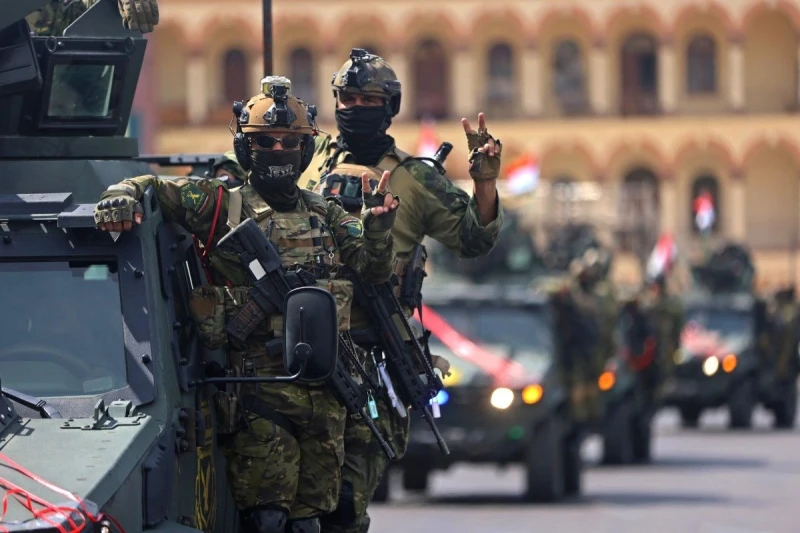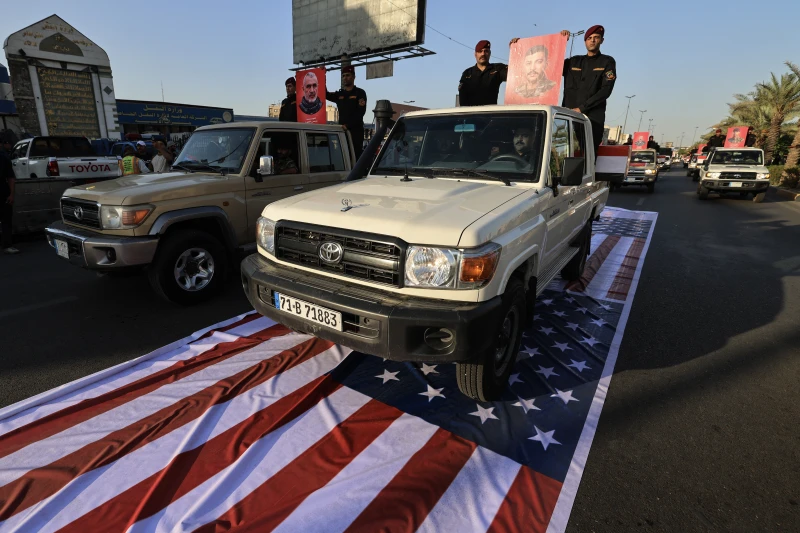
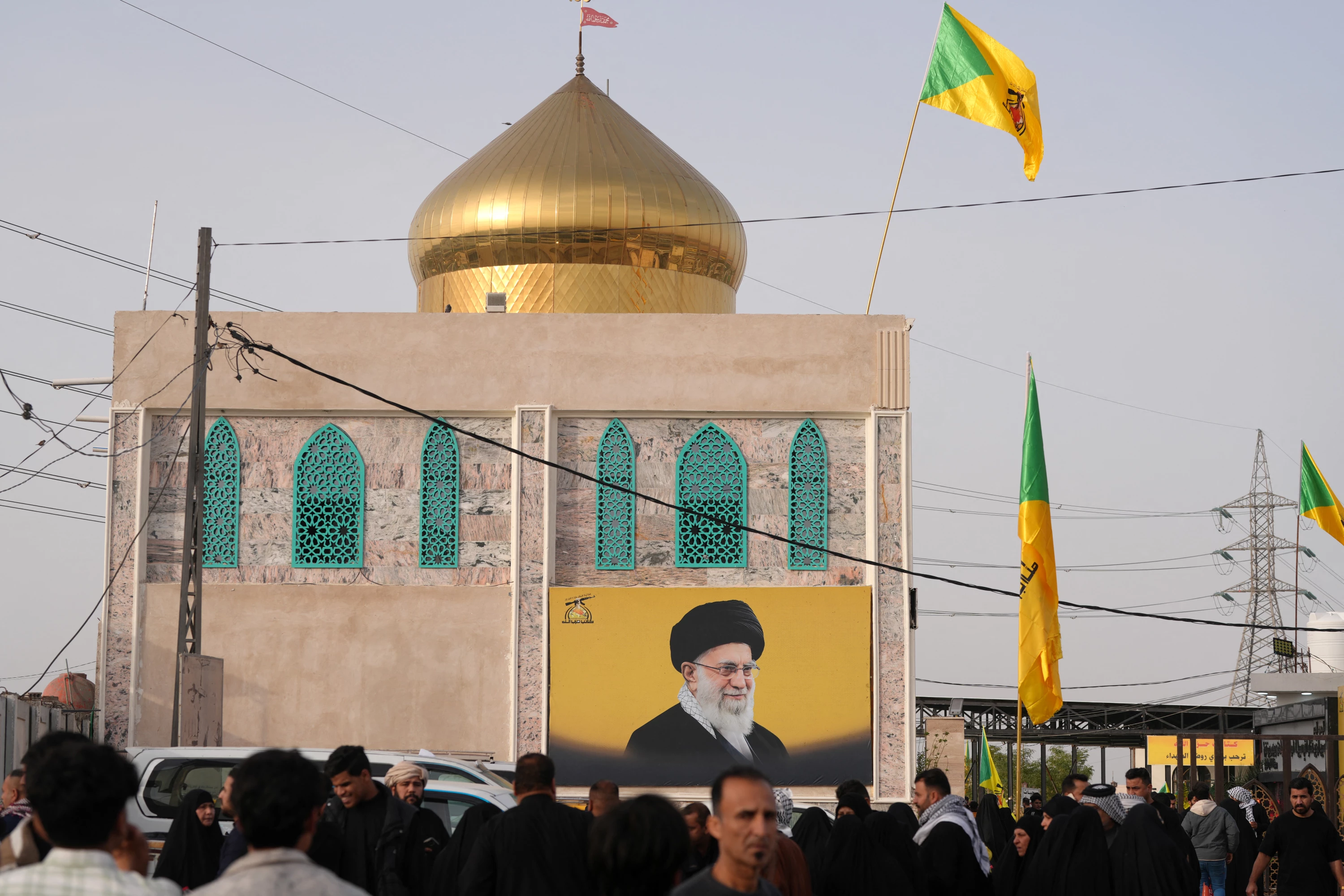
As the war between Iran on one side and the United States and Israel on the other has expanded across the region, Iraq has unmistakably become one of its central fronts, not a sideshow. This reality exposes the failure of security sector reform in Iraq and underscores the untenability of the current arrangement within the state. Unless Washington and Baghdad confront this issue directly, the country risks renewed cycles of instability driven by Iran-aligned armed factions.
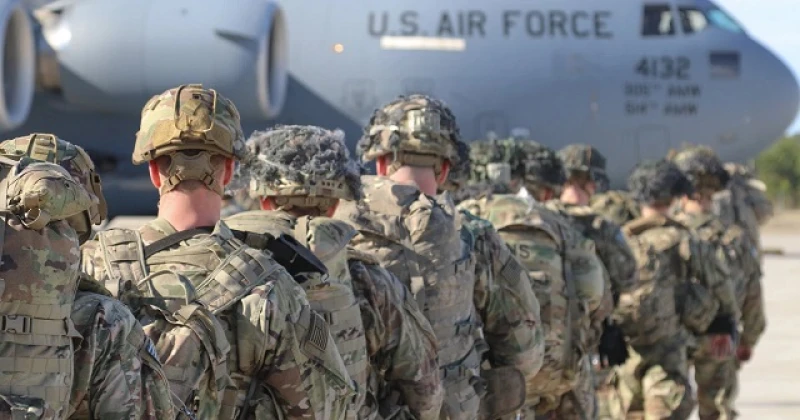
Since the start of the war on February 28, Iraq has witnessed a steady escalation, primarily driven by Shiite militia groups, and in some cases directly by Iran itself. These attacks have likely reached around 500 by now, as by some estimates, the tally was around 300 by March 13, targeting the Kurdistan Region in the north, as well as sites in Baghdad and elsewhere. On March 16-17 alone, these groups claimed to have launched 47 attacks across Iraq and the broader region. Targets have included US military and diplomatic facilities in Erbil and Baghdad, French and Italian troops deployed as part of the anti-Islamic State (ISIS) coalition, with one French officer killed, EU diplomatic sites, hotels, oil fields, Kurdish military bases, and locations tied to Iranian Kurdish opposition groups. Several strikes on neighboring Gulf states and Jordan are also believed to have originated from Iraqi territory.
These attacks aim to punish the Kurds for hosting American and Western forces, challenge US and European presence in Iraq, and disrupt key energy infrastructure as part of a wider effort to generate regional and global energy pressure. In response, the US-Israeli alliance has carried out strikes, causing significant casualties, including among senior militia leaders. Iraq now holds the dubious distinction of being the only country in this war whose territory is struck by both sides of the conflict. This situation risks spiraling out of control and dragging Iraq into a war with grave, destabilizing consequences for a country that has only recently begun to recover from decades of conflict.
The continued hostilities by Iran-aligned Shiite armed factions once again highlight the failure of security sector reform, driven less by capacity constraints than by a lack of political will and effective mechanisms within the state to confront these unruly groups. The militias’ integration into formal security structures since 2016 has ironically created a lasting internal security vacuum, which they exploit at will, particularly when their patrons in Iran find themselves in crisis. It has also produced a broader political paralysis caused by the effective capture of the state from within by their affiliated political factions, which, since 2022, have effectively shaped and dictated government policy.
Notably, the scale and intensity of militia attacks have increased over time, driven by the existential threat faced by both the groups and the Iranian regime. The campaign by Iran and its affiliated militias in Iraq reflects a broader scorched-earth approach, targeting a wide range of sites to demonstrate disruptive capacity and the ability to destabilize multiple arenas if the war continues.
The situation is made more dangerous and untenable by the armed factions’ double game and the impunity they appear to enjoy. As former Iraqi prime minister Mustafa al-Kadhimi once acknowledged, when launching attacks, the militias claim responsibility under facade names such as the Islamic Resistance in Iraq. Yet when their fighters are arrested or killed in retaliatory strikes, their own statements identify them as members of official factions within the Popular Mobilization Forces (PMF), a key pillar of Iraq’s defense-security complex. These groups receive funding, legitimacy, and weapons from the Iraqi government, while some also obtain strategic weaponry such as drones and ballistic missiles from Iran outside formal state policy.
Against this backdrop, the Iraqi government has struggled to impose accountability and faces a difficult policy dilemma. Its response has been mainly confined to issuing statements that traverse the awkward position of mourning the “martyred” members of the PMF struck by the US-Israeli campaign while condemning their “terrorist” attacks in the next paragraphs. Such rhetoric rings hollow and is widely perceived as meaningless unless backed by strong action.
While the government may not currently have the capacity to confront these groups militarily without risking internal instability, it can pursue administrative and political measures. These include publicly identifying the groups responsible for attacks, reviewing their status within the PMF, cutting or limiting financial support, and demanding greater oversight of their weapons and activities.
Amid all this, Washington’s patience is wearing thin as its retaliatory strikes have picked up in recent days. In a phone call on March 9 with Prime Minister Mohammed Shia’ al-Sudani, Secretary of State Marco Rubio strongly condemned attacks by “Iran and Iran-aligned militia groups in Iraq” and called on Baghdad to take all possible measures to safeguard US personnel and facilities. In a previous call in October, Rubio had also emphasized the urgency of disarming Iran-backed militias that undermine Iraq’s sovereignty. It remains to be seen whether the US will push to curtail—if not dismantle—the role and influence of these militias. Full dismantlement is admittedly difficult, particularly if the current regime in Tehran survives the war, given the deep entrenchment of these groups within Iraq’s political and security structures.
Without a change in the militia-state dynamic, Iraq risks continued retaliation not only from the US but also from regional actors. The behavior of these factions during the current war will strengthen calls in Washington and elsewhere to hold the Iraqi government accountable and could lead to damaging economic consequences. At this point, it has become a battle of wills between Washington and the armed factions.
For Iraq, the stakes are high. A country that has spent two decades trying to stabilize and rebuild its institutions now finds itself pulled into a regional confrontation by groups operating under its flag but not its orders. Baghdad’s policy of distancing itself from these groups while failing to restrain them has reached its limits and requires decisive action. Iraqis have paid dearly over the past decades for the reckless policies of their leaders. They deserve better.
 Facebook
 LinkedIn
 Telegram
 X
X