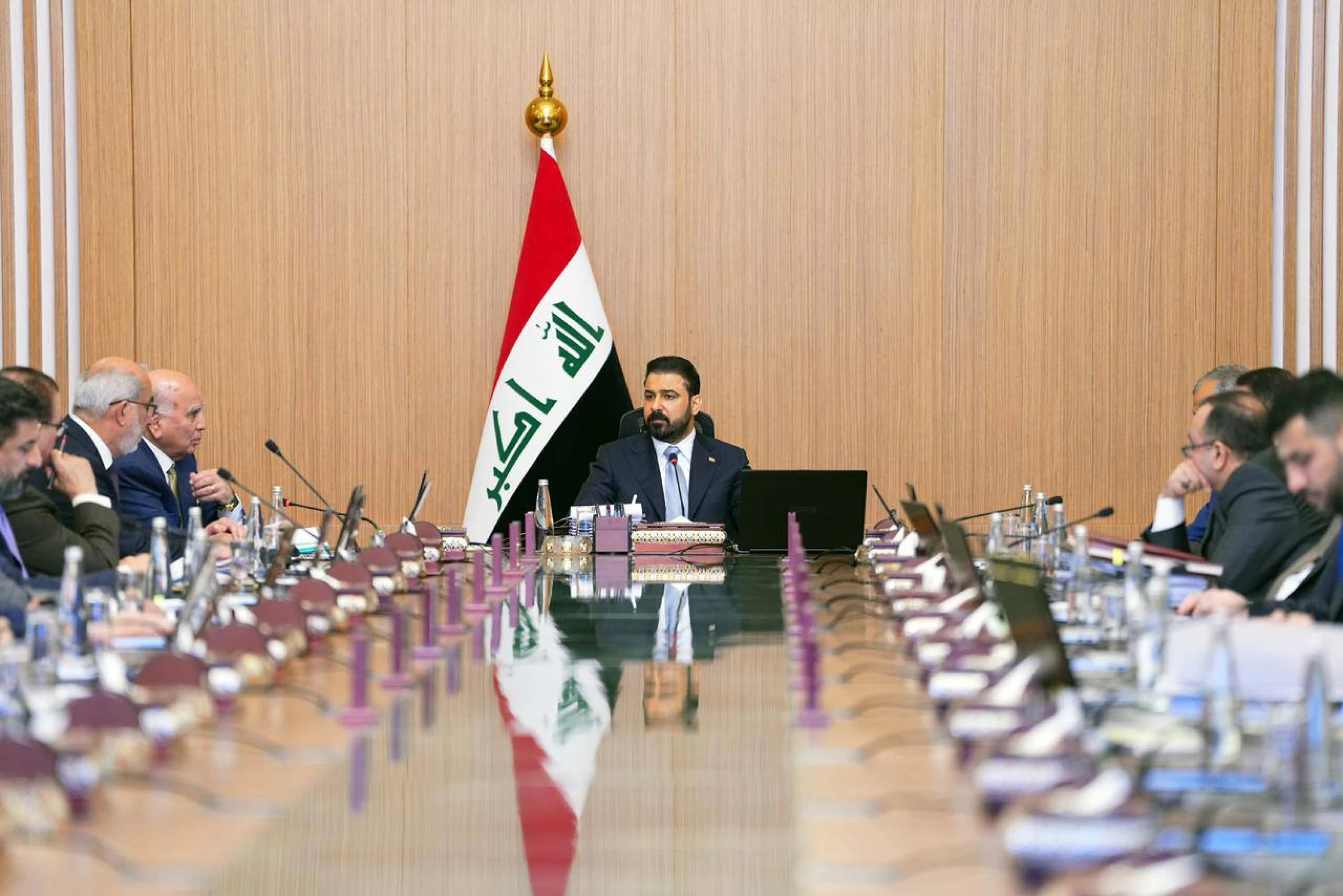
Ali al-Zaidi’s government has overcome the first major obstacle in the cabinet formation process, though not without friction. Of 23 nominees for ministerial posts, 14 obtained votes of confidence from parliamentarians on May 14, in a process that was not devoid of drama and tensions. He still has to fill key ministerial portfolios such as interior, defense, and Planning, as well as deputy prime minister positions.
As I said in an earlier column, Zaidi has the wind behind him following the praise he received from US President Donald Trump. Zaidi also appears to have the consensus of the political class across the Shiite, Kurdish, and Sunni communities. All of this means he is off to a good start, as he is probably one of the least controversial prime ministers in Iraq since 2003. He doesn’t have a political track record, so no one resents him, and everyone seems willing to extend him the benefit of the doubt, including some of Iraq’s powerful neighbors such as Turkey. He already enjoys Iran’s support by virtue of the machinations of his selection for the job.
Zaidi’s tenure, however, will be one of managing multiple major challenges. The deepening political rivalries between and within Iraq’s three main components – Shiite, Sunni, and Kurds – mean Zaidi is riding an increasingly unpredictable bull that could throw him off at any moment. However, two long-standing domestic and geopolitical trends have come to fruition at the present moment, and neither is good for him. They constitute structural challenges that he will need to grapple with and overcome with tact and foresight.
The key challenge is Iraq’s chronic economic mismanagement. The country’s national economy relies heavily on oil, with the black gold making up nearly 90 percent of its annual revenue in 2025. To put it in perspective, last year Iraq exported an average of 3.45 million barrels of oil per day, but still had upwards of a $13 billion budget deficit despite over $94 billion in public revenues, $83 billions of which came from oil revenues. Due to the regional war, Iraq only generated $1.9 billion from oil revenues in March and $1 billion in April this year, compared to $6 billion in February before the war erupted on the very last day of that month.
The fundamental crisis that Zaidi has on his hands as he enters office is how to feed 46 million Iraqis while the state’s revenues have been cut down to between one-third and one-sixth in March and April, and as the country still seeks ways to export its oil. With the specter of renewed war still hovering over the region, Iraq and Zaidi need luck, and they need a lot of it.
In 2026, Iraq’s internal debt stands at $74 billion, its external debt at $10 billion, and its foreign currency reserves dropped from $95.1 billion to $93.3 billion in April due to lower oil revenues. Over the past four years, these reserves have declined by almost $11 billion as a result of increased government spending. The economic outlook did not look promising even before the recent war. Now, it is just bleak, barring a miracle in the form of the full reopening of the Strait of Hormuz soon and higher non-oil internal revenues.
Tied to this is the specter of domestic unrest that the young prime minister will have to contend with. The October 2019 protests demonstrated the power of average Iraqis in challenging and bringing down the government, as happened to then-Prime Minister Adil Abdul-Mahdi. He would need to recruit young Iraqis in significant numbers to avert the potential for mass protests, as his predecessor Mohammed Shia’ al-Sudani did. But dwindling coffers would prevent that. Given the financial crisis the country is facing, and with Iraq’s sizzling summer just a few weeks away, which would mean electricity cuts across southern and central Iraq, Zaidi is walking into a perfect storm.
To be able to generate a reasonable amount of electricity that would power Iraqi homes and businesses outside of the Kurdistan Region for 15 to 20 hours per day, he would need uninterrupted natural gas supplies from neighboring Iran, which is dealing with its own energy crisis, meaning gas cuts are more likely than not. The combined financial, economic, and electricity conditions mean major potential for renewed protests that could rapidly grow in scale and become potentially violent, depending on how much self-restraint the government forces and militias display.
Paranoid about US and Israeli designs, the Shiite militias would likely not show much restraint, seeing any large-scale protests as a foreign conspiracy to bring down the order they protect. Iraq’s survival and well-being depend on structural economic and governance reforms, the prospects for which are not particularly encouraging.
Zaidi’s governance and policy space are also considerably curtailed by a geopolitical structural issue: the ongoing standoff between Iran, the US, and Israel. If the war erupts again, which remains a serious possibility, Iraq will almost undoubtedly be plunged into the crosshairs by the Shiite militia factions controlled by Iran. This would very likely mean strong retaliation by the US and possibly Israel, and perhaps even regional countries if they are targeted again.
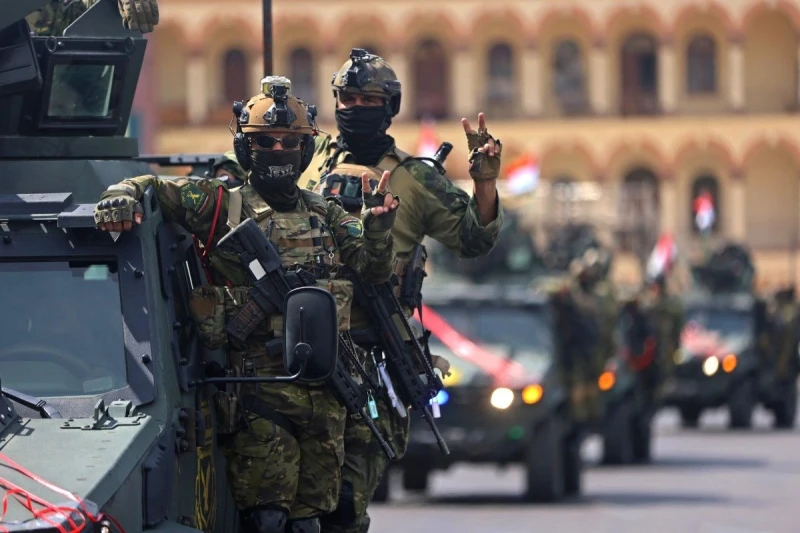
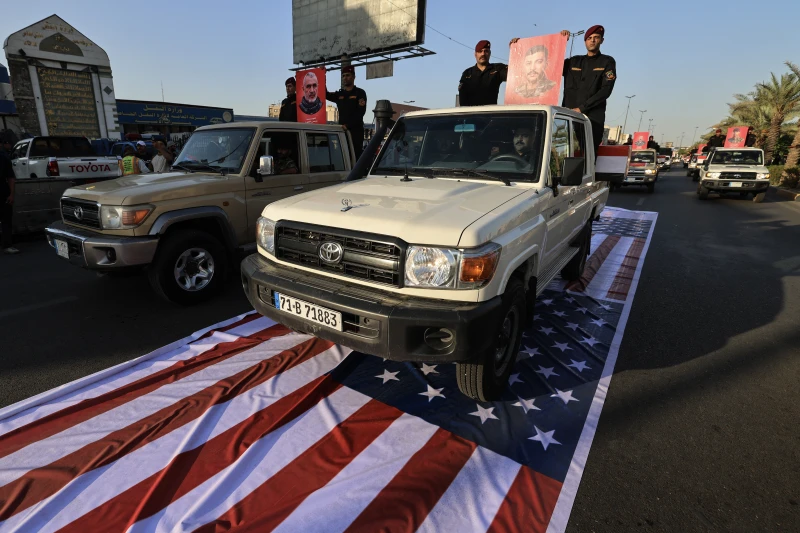
During the recent war, the militias fired more than 1,000 drones and missiles at various targets, including the US, the Kurdistan Region, and neighboring countries. Zaidi’s hands are tied in dealing with these militias, and he knows he cannot rein in these unruly groups. The militias’ existence and their subservience to Iranian agenda mean Iraq is only as stable as the next crisis erupting. Their activities played a major role in damaging former Prime Minister Sudani’s image in the eyes of the US and the region. They could just as easily prove Zaidi’s impotence to Washington or whoever might be watching. Minus some serious measures by Zaidi, backed by major support from the Shiite political class (which means standing up to Iran), he will be in an unenviable spot should the Iran-US-Israel war resume. The primary reason behind his selection for the prime ministerial role is the strategic ambiguity he brings to the table, allowing him to “manage” the US side on behalf of the Shiite bloc. We will have to wait and see whether he can succeed at that.
On the regional front, Zaidi will also have to mend fences with neighboring countries, particularly those in the Gulf. These countries are highly incensed that their territory has come under fire from the Iraqi militias during the recent war. Saudi Arabia, the UAE, and Kuwait have already summoned Iraqi diplomats to protest such transgressions. If they decide to cool relations with Iraq following years of growing engagement, Zaidi would not be in a very favorable position. Iraq’s trade relations could sustain blows, particularly if the UAE scales down its trade engagement with Iraq. The US might be Zaidi’s best recourse here to mediate with Washington’s Gulf allies to give his government a chance.
All things considered, Zaidi is taking over as Iraq sits in the eye of multiple domestic and regional storms. His success, or even his tenure’s survival, will be the measure of his ability to navigate these herculean challenges and ensure that the country and its population survive with the least amount of damage and loss, because there is no other option or prospect. Iraq under Zaidi will most likely be in survival mode.
The views expressed in this article are those of the writer and do not necessarily represent the position of The New Region's editorial team.
 Facebook
 LinkedIn
 Telegram
 X
X