Nearly six months after parliamentary elections, the process of forming a new government in Iraq is reaching its final stage, with all eyes on the Shiite Coordination Framework, an umbrella entity of mainly pro-Iran groups, to select a nominee for the country’s premiership for the next four years. As the chances of the Islamic Dawa Party leader and veteran Shiite politician Nouri al-Maliki have been dashed following a Truth Social post in late January by President Donald Trump, the question now is who will gain the Framework’s nomination.
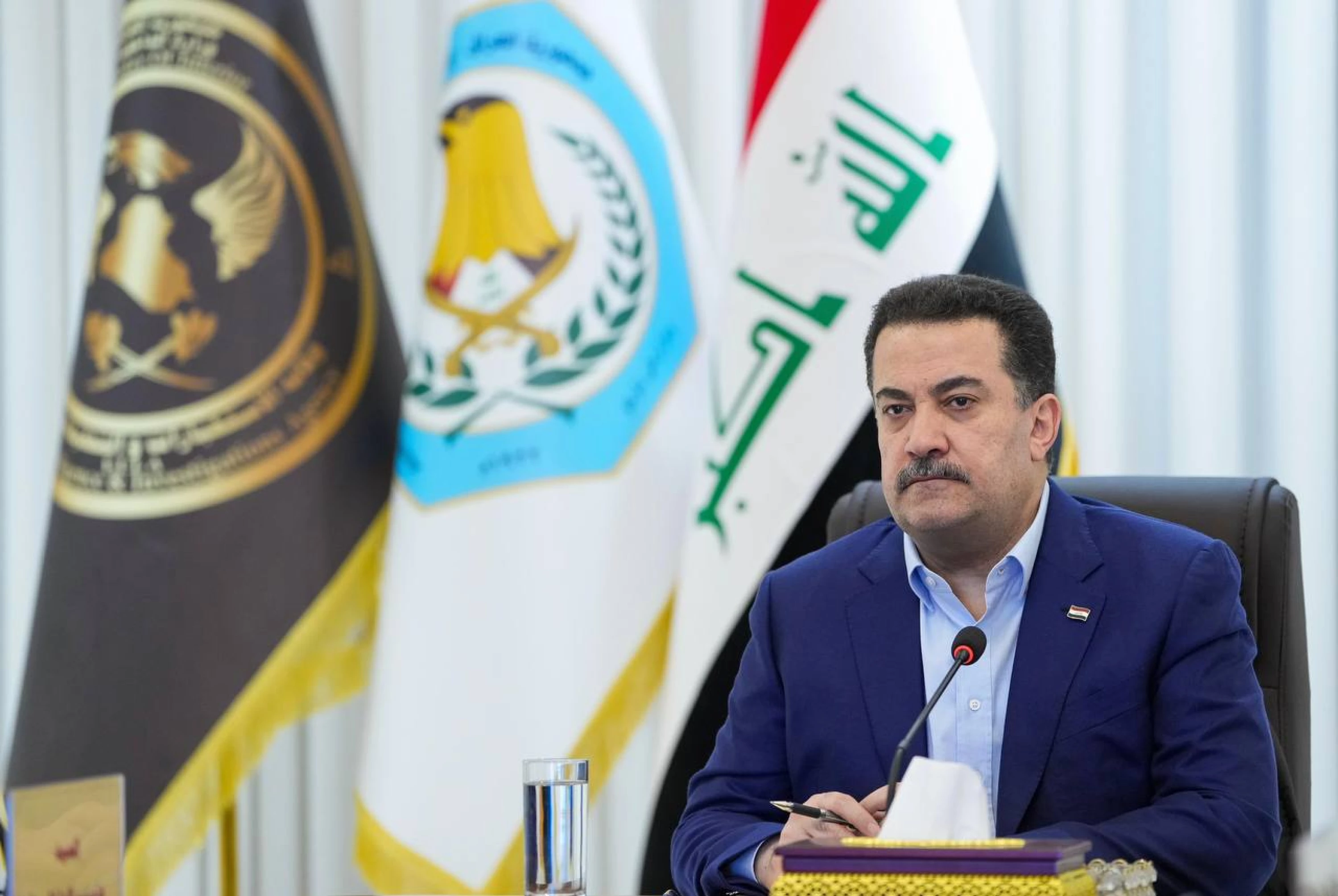
Incumbent Prime Minister Mohammed Shia’ al-Sudani is widely seen as a leading contender. Other names, such as Basim al-Badri, head of the controversial Justice and Accountability Commission, have also been floated. Sudani recently published an article in Newsweek, clearly aimed at marketing himself to US decision-makers, fully aware that no Iraqi politician can realistically become prime minister without at least tacit approval from Washington.
In that piece, he called for redefining Iraq’s relationship with the United States. He highlighted his efforts to bring companies such as ExxonMobil and Chevron back into the country as part of a policy to create a more welcoming environment for US investment. He also argued that Iraq was ready for a “new chapter” with Washington based on shared interests rather than purely military cooperation.
These are, without doubt, worthwhile goals, and Sudani deserves applause for progress on infrastructure and development projects, particularly in Baghdad. It is also true that he has faced major challenges that would test any leader’s capacity for governance.
However, there are compelling reasons why Washington should not support Sudani’s continued tenure.
At the core of the issue is his failure to address Iraq’s most consequential challenge: the Iran-aligned Shiite armed factions and, tied to that, the broader question of state authority and sovereignty. This is not a case of reform falling short. It is a case of not seriously attempting reform or making any meaningful or impactful effort at all.
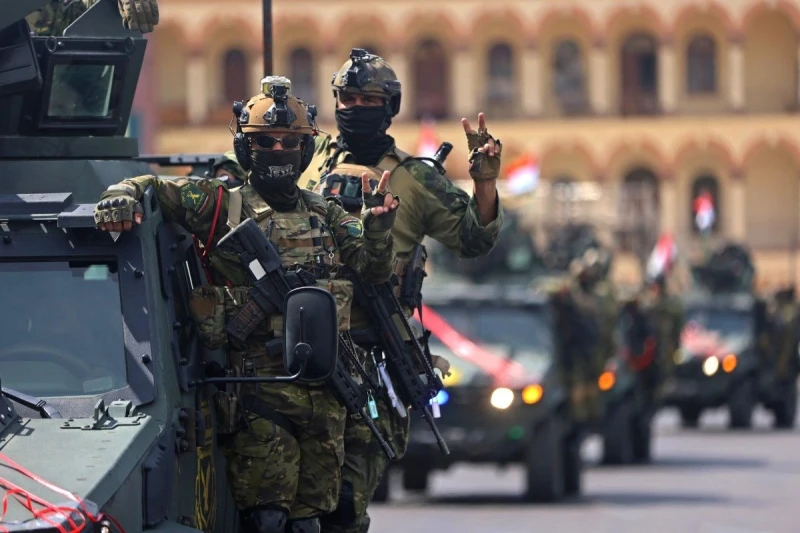
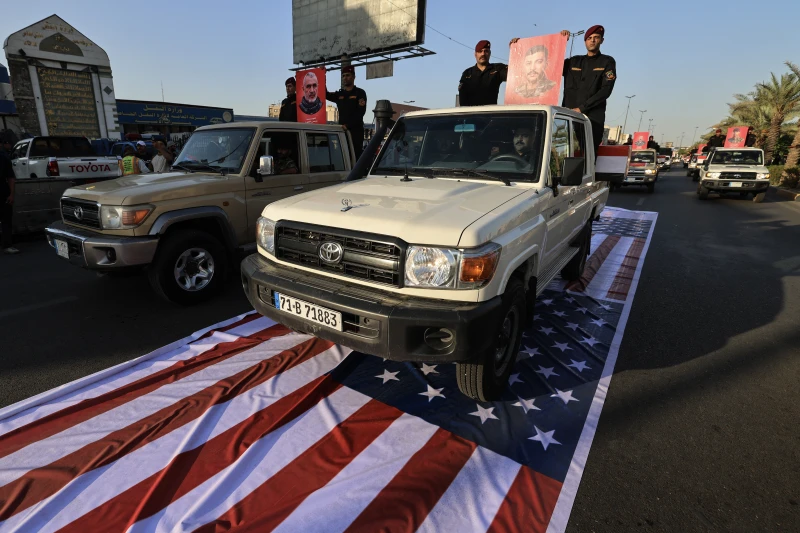
Under Sudani’s watch, militias have dragged Iraq twice into regional confrontations aligned with Iran’s Axis of Resistance against the US and Israel. After October 7, 2023, Iraqi armed groups launched hundreds of drone and missile attacks against US and Israeli targets across the region. They remained quiet during the 12-Day War in June 2025, but reengaged during the recent 39 days of war between the US and Israel against Iran.
Despite nearly 1,000 militia-linked attacks on Iraqi territory during the recent war, including strikes on US diplomatic and military facilities, Sudani’s government has not even publicly named those responsible. His government failed to hold militia-linked groups accountable for extensive attacks last July on Kurdish energy infrastructure and US business interests in Kurdistan. This lack of accountability is not due to a lack of knowledge about who launched the attacks, but is mainly driven by political considerations, as these groups are his partners within the Framework. Consequently, Sudani’s government has taken no meaningful steps to hold the militias accountable, whether by removing them from the Popular Mobilization Forces (PMF), a security institution under the prime minister’s command, cutting their funding, or pursuing legal or military action. This is particularly striking given that Iraq officially maintained neutrality during the conflict. Instead, the Sudani government appeared largely absent, failing to exercise its constitutional responsibility to safeguard sovereignty and security. At times, its statements embodied a painful and inexplicable contradiction, praising militia sacrifices in one line as members of the PMF while condemning their attacks on foreign diplomatic sites in another.
This failure has had regional consequences. Several Gulf states, including Saudi Arabia, the UAE, and Kuwait, have summoned Iraqi diplomats in protest over attacks originating from Iraqi territory. The perception that Baghdad cannot control armed actors within its borders has greatly damaged its credibility. The government's argument that confronting militias risks civil war sounds irresponsible and highly unlikely to satisfy actors in Kurdistan, the Gulf, or the rest of the region, because they are already experiencing war at the hands of these militias.
More fundamentally, the Sudani government’s approach has enabled these factions to operate with impunity and to expand their influence across the Iraqi state. Militias control key ministries directly or through aligned figures. They dominate the PMF, Iraq’s most powerful security institution, and have penetrated intelligence and counterterrorism bodies that were once deliberately insulated from their influence. At the same time, they have expanded into key sectors of the economy, including contracting, telecommunications, agriculture, and banking. Following recent elections, they hold a significant parliamentary presence of around 70 seats, including the deputy speaker position.
Under Sudani’s watch, militia-operated oil smuggling and money laundering networks linked to Iran have persisted, often through official channels, until US pressure imposed some constraints. In short, the armed factions’ reach into the Iraqi state is now so extensive that reversing this trajectory requires swift and sweeping action.
Even Iraq’s recent willingness to sign deals with US energy firms has been driven less by strategic alignment and more by pressure. Fears of punitive measures following militia attacks since late 2023, along with renewed US “maximum pressure” on Iran by the Trump administration since early 2025, pushed Baghdad to engage Washington. Before that, under Sudani, the dominant focus—shaped by Iran-aligned actors—was on securing a complete American military withdrawal and a tilt toward China, particularly in the energy sphere.
In practice, Sudani has pursued a highly accommodating approach toward Iranian interests. Under his leadership, the PMF has expanded from roughly 120,000 to nearly 240,000 personnel. Its economic arm, the Muhandis Company, tied to Shiite armed factions, has extended its reach across multiple sectors through opaque arrangements.
Sudani’s own political alliance includes key Iran-aligned figures such as PMF chief Falih al-Fayyadh and Ahmed al-Asadi. Sudani’s Reconstruction and Development Coalition operates within a broader network of political reinforcers that enable and legitimize the expanding role of militias across Iraq’s political system. Sudani also supported political efforts to formalize and expand the PMF’s legal status last year as his government sent a bill to parliament to that effect.
Taken together, Sudani’s government has functioned less as a counterweight to Iranian influence via militias and more as a vehicle for its expansion and providing a diplomatic buffer for the militias at times of crisis with the US. Qais al-Khazali, leader of Asaib Ahl al-Haq, one of the main Iran-backed militia groups in Iraq, was unequivocal about the nature of their relationship with Sudani, describing him as “a general director” rather than a prime minister.
Iraqi politicians now listen to the US in a way not seen for years. With Ambassador Tom Barrack in Iraq meeting leaders, the US should seize this opportunity to support a prime minister outside the militia entities and their aligned network of political reinforcers. Sudani is not that figure. It is either now, or Iraq will drift further from US influence. An embattled Iran, having seen its regional proxies degraded, will double down on Iraq as a strategic asset to control and neutralize a long-standing rival, the Iraqi state. Washington should act strategically—now.
 Facebook
 LinkedIn
 Telegram
 X
X