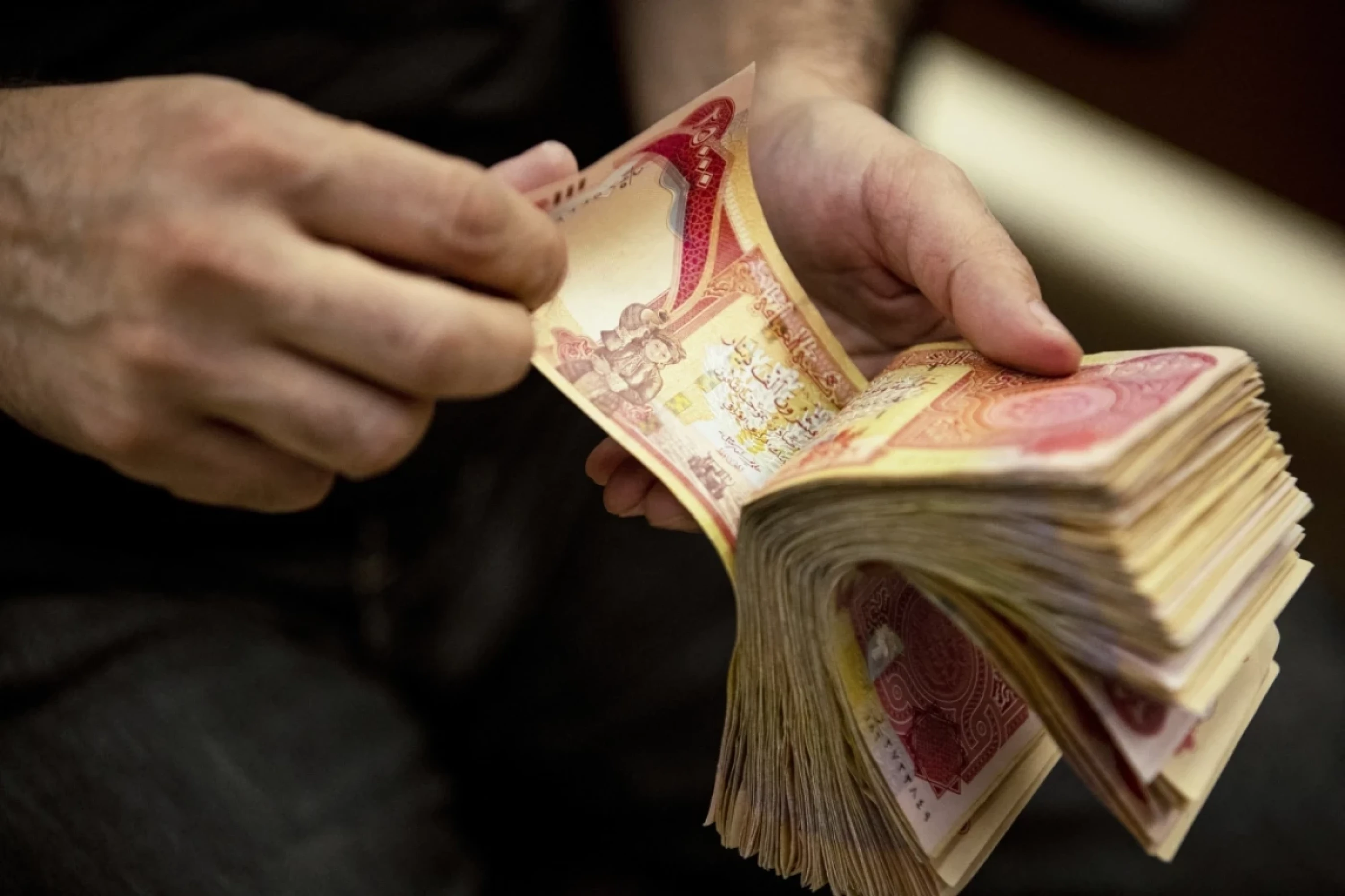
ERBIL, Kurdistan Region of Iraq - Iraq is facing growing warnings over the economic impact of delays in approving the 2026 federal budget, with officials saying the hold-up could slow growth and worsen uncertainty across the country.
The ongoing dispute over the Iraqi premiership has slowed the constitutional process required to move the budget forward, leaving ministries without the legal framework needed to expand spending beyond basic operations. Without a fully empowered government, the draft budget cannot be formally approved and submitted to parliament.
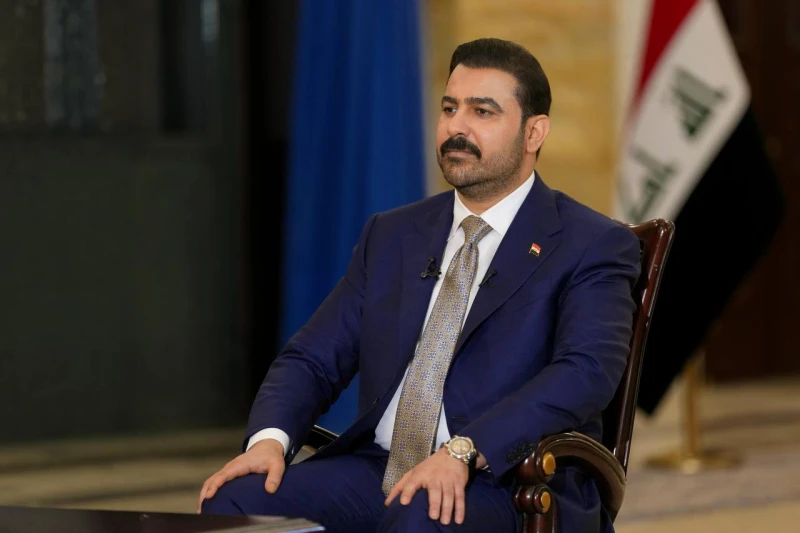
Mudher Mohammed Saleh, financial adviser to the prime minister, said Sunday that Iraq’s economy depends heavily on government spending as a key driver of growth, meaning any delay in passing the budget has direct consequences.
“The Iraqi economy, which relies significantly on public spending as a main engine of growth, is directly affected by any delay in approving the budget,” Saleh said.
He added that such delays become “a factor of recession affecting both the public and private sectors,” creating an extended period of instability.
Saleh said one of the most serious consequences is the suspension of investment projects, particularly new ones, because of the lack of financial allocations.
“This negatively affects the labor market through fewer job opportunities and higher unemployment rates,” he said.
Meanwhile, Iraq’s parliamentary finance committee said the state has limited options to deal with the crisis, including borrowing laws or passing emergency legislation similar to the previous food security law.
The committee said activating those options would require an official request from the government.
The 2026 Iraq budget has also created a rift between the Kurdistan Regional Government (KRG) and Baghdad, with the former insisting the latter use the data from a nationwide census in 2024 when determing Erbil's financial allocations.
The census in question showed that the Kurdistan Region's inhabitants comprise 14.1 percent of Iraq's total population of 46 million, with KRG spokesperson Peshawa Hawramani saying in mid-January that Erbil's entitlments should be based on these demographic figures.
"Until now, what has been allocated to the Kurdistan Region has been far, far less than its legal and constitutional right," Hawramani said after a cabinet meeting in the same month.
 Facebook
 LinkedIn
 Telegram
 X
X