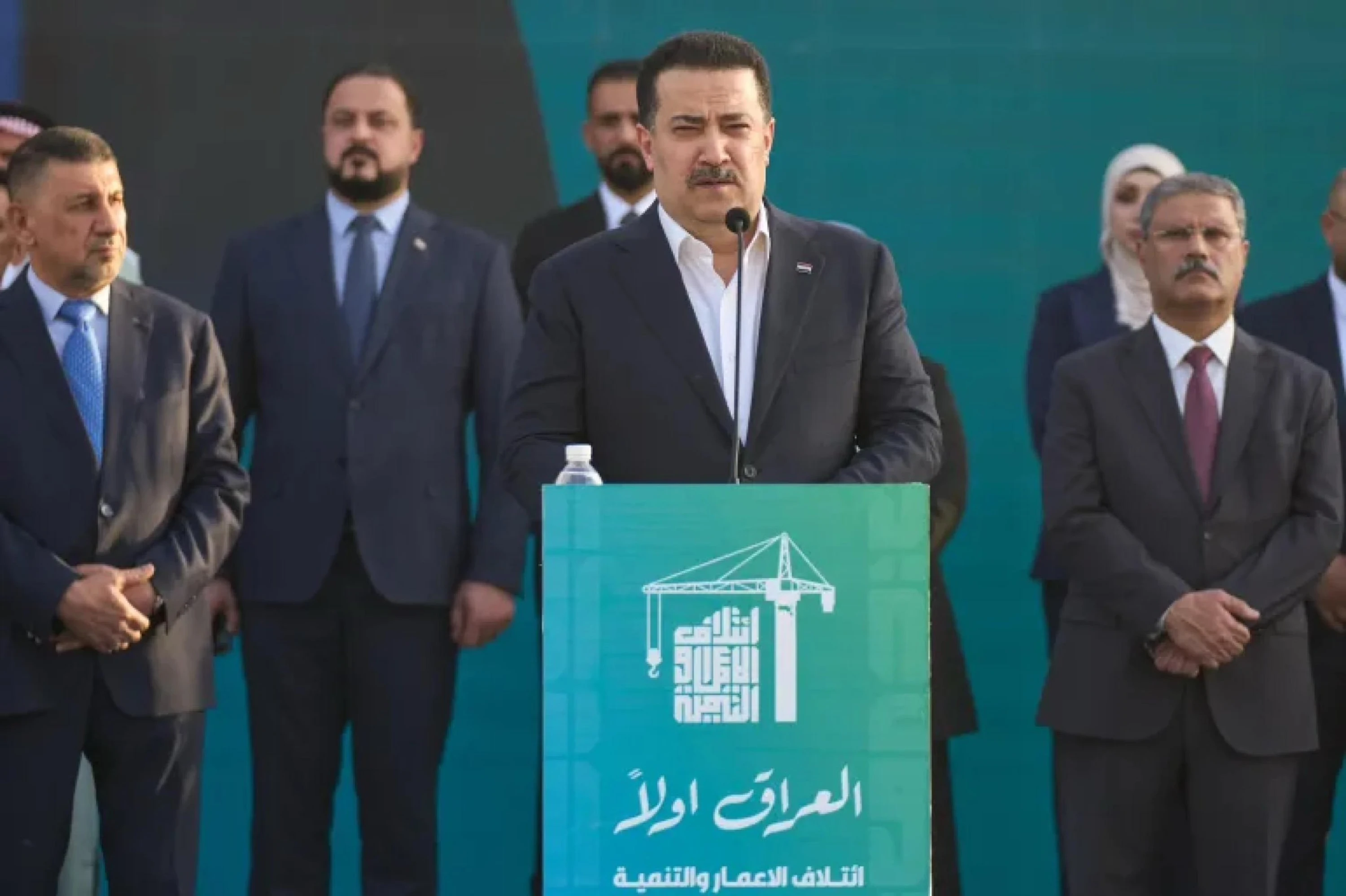
ERBIL, Kurdistan Region of Iraq – The coalition of former Iraqi Prime Minister Mohammed Shia’ al-Sudani on Sunday criticized the recent cabinet formation talks as “revealing clear imbalances in the distribution of ministerial posts,” after more than 20 lawmakers quit the alliance over unmet expectations.
“The outcomes of the government formation negotiations revealed a clear imbalance in the distribution of ministerial posts. Some blocs received positions disproportionate to their actual parliamentary and popular weight,” The Reconstruction and Development Coalition said in a statement, adding that it “did not receive representation proportional to its electoral and political size.”
The Iraqi parliament on Thursday voted on Prime Minister Ali al-Zaidi’s cabinet. The session saw 14 ministers obtain the vote of confidence while the remaining nine ministries - including defense and interior - were not appointed as disputes broke out among lawmakers.
A day after the vote of confidence, parties and lawmakers from Sudani’s alliance announced their withdrawal, saying it “bears some political and moral responsibility” for the dispute.
The announcement came in a joint statement on Friday, which included the National Contract Bloc led by Falih al-Fayyadh and the Sumerians Movement led by Ahmed al-Asadi, as well as “their allies, and other members of parliament.” However, it did not specify who the allies and other members are.
The National Contract Bloc has 14 seats in the legislature, and the Sumerians Movement has five.
The parties said they aim to form a new alliance, which they said “will be announced soon,” in their withdrawal announcement.
In the statement, Sudani’s alliance asserted that the National Contract Bloc was given the agriculture ministry “based on its parliamentary and political weight” and that it was “keen to preserve the presence and entitlement of its esteemed partners in the Sumerians Movement.”
Reports also suggest that the political wing of Harakat Ansar Allah al-Awfiya, led by Haider al-Gharawi, has also withdrawn from Sudani’s alliance, bringing the total seats lost to at least 25 from the initial 46.
“We express our utmost respect and appreciation for our aforementioned partners and value their significant efforts during and after the election period. We wish them every success in any decision they make and in any course of action they deem to serve the national interest,” The Reconstruction and Development Coalition added.
 Facebook
 LinkedIn
 Telegram
 X
X