ERBIL, Kurdistan Region of Iraq – The first hearing related to the case of opposition leader Lahur Sheikh Jangi and his associates in Sulaimani’s court did not lead to a definitive resolution, but did bring to light a shocking revelation from one of the case’s inmates, who candidly testified about the extent of torture he has been subjected to in recent months, claiming that the inhumane practices led to losing his manhood.
On May 14, Jangi and his associates were put on trial at Sulaimani’s Appellate Court for their alleged involvement in a plot to assassinate Bafel Talabani, leader of the Patriotic Union of Kurdistan (PUK), in August 2025.
The court session has been extensively delayed since the arrest of the opposition leader following a bloody confrontation between the cousins in late August, with Jangi’s lawyers demanding the legal proceedings be moved to Erbil for what they believe would be a more transparent and fair trial, while also decrying the reported human rights violations members of Jangi’s security team have been subjected to in prison.
Jangi and 11 of his associates appeared before the court on Thursday, accompanied by 12 lawyers. Among those who gave testimonies at the hearing was Hama Rash, a personal bodyguard of Rebwar Hamid Haji Ghali, the commander of Jangi’s Lalezar security force, who has been held in PUK-affiliated prisons since the Lalezar clashes.
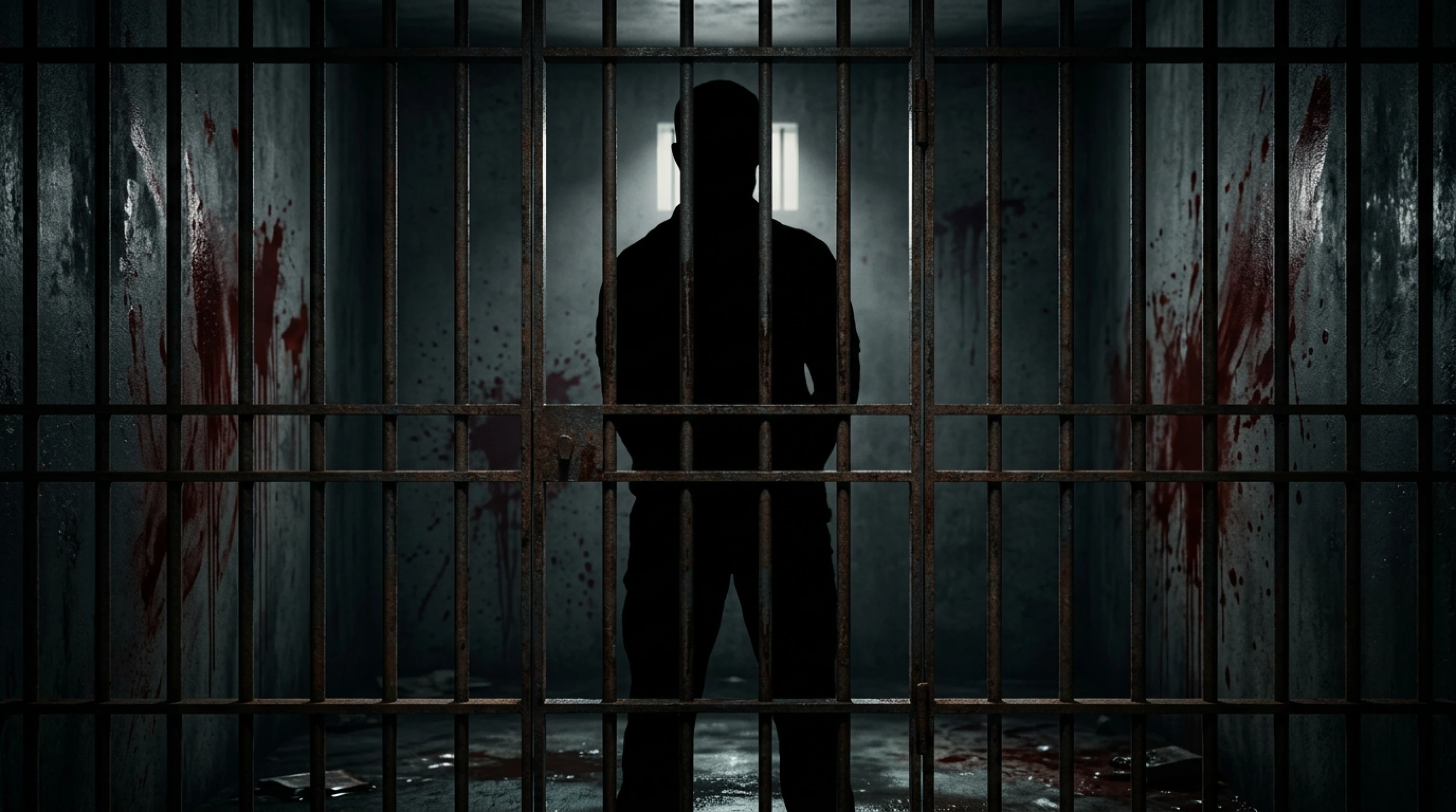
Recounting the horrors he has endured over the last eight months, the witness, under oath, stated that he has been subjected to intensive torture, needing multiple stitches on his head, being stabbed in the back with knives, and having his teeth forcibly broken. He claimed that the violent physical abuse has resulted in him losing his manhood.
When asked by The New Region what Hama Rash meant by losing his manhood, defense lawyer Dana Taqiadeen explained: “Hama Rash’s genitals were severely injured by a forceful kick during detention, before his appearance before the judge.”
The judge then asked Hama Rash about his previous testimony, which was in contradiction to his Thursday declaration. The witness lamented that the confessions were obtained under duress, as he was convinced he would face more violence if he did not say what his captors were asking for.
Razaw Salihy, Amnesty International’s Iraq Researcher, told The New Region that if a detainee asserts that their testimony had been extracted under ill-treatment, Iraqi and international law obligates authorities to launch an immediate independent probe, ensure the detainee is protected from further harm and that they have access to medical examination.
“Courts must ensure that any statements obtained under duress are not relied upon in judicial proceedings. Such statements must only be regarded as evidence against perpetrators of torture,” the rights activist noted.
On Saturday, Jangi’s legal team issued a public plea, calling on Kurdistan Region authorities, diplomatic representatives, and rights watchdogs to ensure justice is served in regard to Hama Rash’s case, describing the circumstances he endured as in violation of international legal standards, customs, religion, and human dignity.
“An international, impartial medical and legal committee should be formed urgently to examine Hama Rash's health,” read the statement. “The identities of those who tortured him should be revealed and they must be punished in the harshest way. If this crime goes unpunished, no one will be protected, and we as a team of lawyers will continue on this case in a civil and legal manner until the last breath.”
The New Region reached out to the British Consulate-General in Erbil for comments, to which they responded that the UK is aware of the Lalezar case, expressing their "support" for the two British nationals who are in detention: Jangi and his brother Polad.
The American and Dutch missions were also approached for comments, but they were not made immediately available.
The lawyers decried that Hama Rash had not been referred to a health committee following his testimony, expressing concern over his safety in the internal security forces (Asayish) prisons after the judge did not heed their demand for transferring the witness to the police.
“Returning a detainee to the custody of the same authorities against whom allegations of torture have been made, without serious and evident safeguards and independent oversight, puts the detainee at the same risk of abuse and undermines the integrity of the proceedings,” Salihy added, warning that “failure to address these allegations and take seriously fair trial standards risks further entrenching impunity and undermining confidence in state institutions.”
On August 22, forces affiliated with the PUK besieged the residence of People’s Front leader and former PUK co-chair Jangi, leading to Jangi’s arrest after a violent conflict that spanned hours and saw dozens killed and injured on both sides.
In November, the Independent Human Rights Commission of Kurdistan Region (IHRCKR) accused the Sulaimani security forces of mistreating Jangi’s detained fighters, estimated to number around 200 individuals, saying that multiple families of the detainees told them they are not allowed visitation rights and the rest only get to see them behind a barrier.
A lawyer from Sulaimani, who has a client detained at the Asayish’s Kani Goma prison and spoke to The New Region on condition of anonymity, said that in previous years, lawyers were allowed to visit their clients at the facility, but stated that these visits have been progressively restricted, and at present, no lawyer, even with a court order, is permitted to meet clients at Kani Goma.
Torture is strictly prohibited under international law, as explicitly stated in Article 5 of the Universal Declaration of Human Rights (UDHR), Article 7 of the International Covenant on Civil and Political Rights (ICCPR), and the United Nations Convention Against Torture (CAT).
Article 37 of the Iraqi constitution stresses that “the liberty and dignity of man shall be protected,” prohibiting all forms of psychological and physical torture and inhumane treatment, and noting that confessions obtained under duress shall not be relied on.
 Facebook
 LinkedIn
 Telegram
 X
X