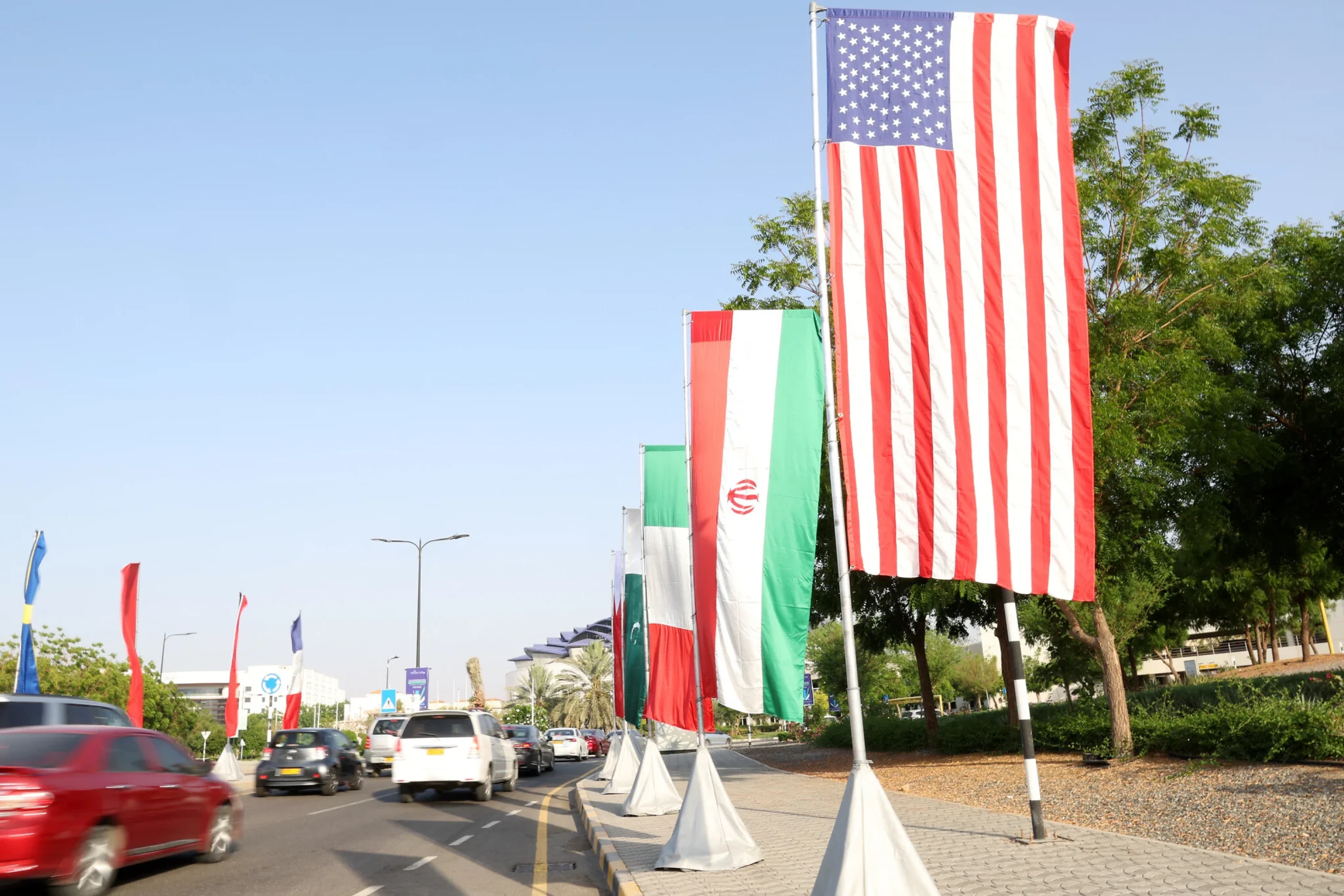
As the United States and Iran near signing a preliminary deal for a 60-day extension of the ceasefire and ending the Iranian closure of the Strait of Hormuz, the region will be closely watching to see how the future of the standoff between the two sides pans out. The deal is said to also end the American blockade of Iranian ports, allow Iran to sell oil, and negotiate the unfreezing of Iranian funds in foreign banks.
But if the 60-day deal goes through and negotiations continue for a permanent agreement, what kind of a deal would be good, and for whom? This is where expectations and disagreements will run deep between the US, the Gulf states, and Israel, making a truly durable peace unlikely.
As a continuation of the 12-day war last June, the recent 39-day war was launched by the US and Israel with the stated, or perceived, objectives of destroying Iran’s military nuclear program infrastructure (and bringing its civilian program into full transparency under external surveillance), restricting Iran’s missile program, and dismantling Iran’s regional proxy network. Now, after two rounds of war, the Iranian nuclear program has sustained heavy blows (but has not been fully destroyed). Its missile capabilities have likewise been significantly degraded, but they remain highly threatening and will likely recover soon. The proxy network is, if anything, rejuvenated by this recent war rather than dismantled or significantly incapacitated.
As it stands, for now, Washington is prioritizing the reopening of the Strait of Hormuz to normal trade, as was the case before February 28 (with or without some form of Iranian-imposed toll). For the next round of negotiations aimed at a permanent peace deal, the US appears to be prioritizing only one of the three stated objectives of the war: the Iranian nuclear program. As a global superpower, the major challenge Iran poses to the US stems from its nuclear ambitions and capabilities. From a strictly America First perspective, Iran is a regional middle power and, as long as it does not possess an atomic bomb, it remains manageable, albeit with some headaches. Iranian ballistic missiles do not reach the US, and its militia proxy network is regionally focused. The US could live with an Iran that does not have nuclear weapons, even if it still retains robust missile and regional proxy capabilities.
But it is not so for Israel, the Gulf states, and other US regional partners. While these countries are certainly worried about Iran attaining a nuclear bomb, for them the missile and proxy networks, particularly the latter, remain very serious, and possibly even existential, threats. America’s regional allies, Israel and some in the Gulf, particularly the UAE, have to grapple with serious non-nuclear threats emanating from a now re-emboldened Iran.
And yes, as things stand, Iran is a re-emboldened power. Listening to Iranian strategic affairs experts, one hears them boast that despite major losses in political and military leadership, as well as military and economic infrastructure, Iran has emerged from the recent war stronger than before. Following the severe degradation of Lebanese Hezbollah and Palestinian Hamas, the collapse of the Bashar al-Assad regime in Syria, and the blows dealt by Israel and the US during the June 2025 war, Iran appeared to be in strategic decline and its regional security architecture close to collapse. Yet the events of recent months have significantly altered that perception in Tehran and across the region.
The resumption of the war in February and the successful elimination of Iran’s top political and military brass on the first day, coupled with the US entering the conflict directly from the outset (unlike the June war, when the US only participated on the last day), generated a sense that the regime’s end was either near or that it would be so severely weakened as to resemble Saddam Hussein’s Iraq between 1991 and 2003 or Assad’s Syria between 2011 and 2024.
What turned the tide for Iran was the regime’s internal resilience, extensive preparation for a scenario it had anticipated for decades, and the fulfilment of its longstanding promise to close down Hormuz– a move that gave Tehran tremendous and outsized leverage. Having gone from a position of regional dominance to one of decline since 2024, Iran’s status has now been elevated beyond its previous standing into that of a major regional power with global influence, thanks to its control over the strategic Hormuz chokepoint through which around a quarter of global seaborne oil trade passes, along with much else.
This reality, and the prevailing perception in Tehran that it has the Gulf and other parts of the region at its mercy, ultimately mean instability will continue either through direct state-to-state conflict or indirect proxy warfare. This puts Washington in a bind as well. As much as it wants to extricate itself from the Middle East, it cannot ignore the wishes and pressures of its allies indefinitely. Pulling its troops out of the region and closing down its bases would only signal weakness at the global level, with potentially serious consequences. It would also show Russia and China the effectiveness of propping up defiant middle powers in other regions of the world that can poke the US in the eye and cause it to bleed in wars of attrition, particularly when administrations with a less muscular posture come to office in Washington.
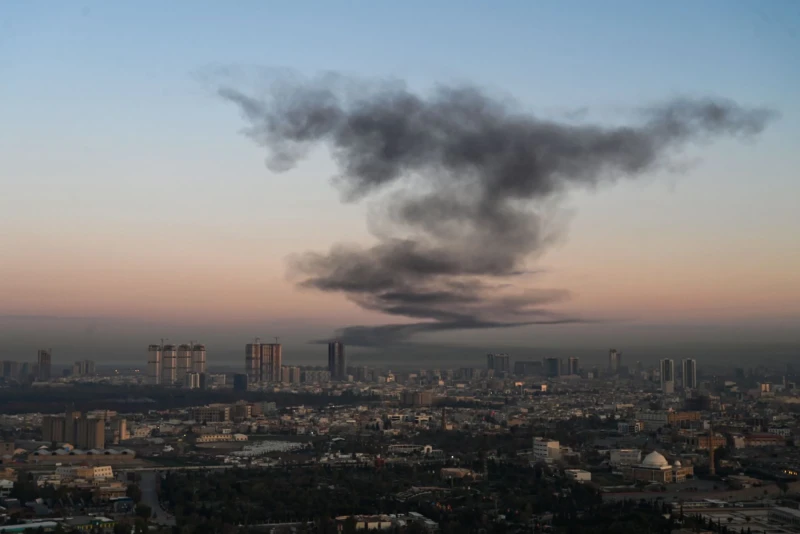
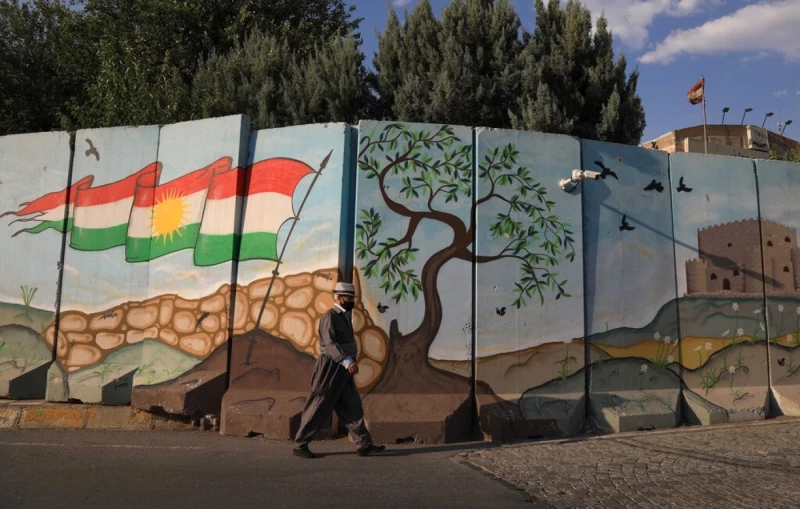
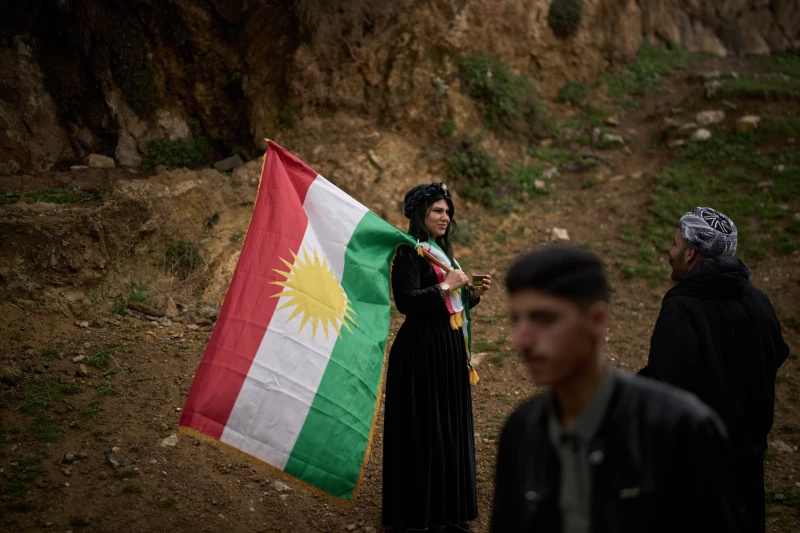
Coming back to the region, there is much visible concern. Continued ground operations against Hezbollah in Lebanon and crossing to the north of the Litani River are Israel’s way of signaling its deep displeasure with the current course of events and with a possible deal that it interprets as being overly lenient on Iran’s nuclear program, let alone other aspects of the regime’s threat profile. Israel knows Iran would be especially sensitive to this and cannot simply celebrate a deal with the US while Hezbollah and Lebanon’s Shiites continue to suffer. Tehran has already said it would cease negotiations with Washington if the situation in southern Lebanon does not calm down. Interestingly, Iran does not appear to think that its constant bombardments of the Kurdistan Region in Iraq violate the ongoing regional ceasefire.
The Gulf states’ options are much more limited at the moment, but further gradual diversification of their military, diplomatic, and economic relationships would be their way of signaling a desire for less reliance on Washington, particularly if a US-Iran nuclear deal goes through and is perceived as insufficiently restrictive. We already see signs of this in enhanced Saudi-Pakistani relations, including a mutual defense pact; in the UAE, and perhaps eventually Israel, seeking to establish a cross-regional axis with India; and in Qatar turning to Turkey as its regional security provider. Washington is unlikely to oppose these arrangements so long as they do not create openings for Russia and China. In short, the Middle East is in a state of affairs where all stakeholders, including the US, will be hedging, re-aligning with, and de-linking from various actors, regionally and beyond, in search of a new equilibrium that secures their position and interests.
All of this means the chances of a permanent deal remain uncertain because antagonisms persist in the deeper structural layers of regional geopolitics that could derail negotiations. Iran itself is counting on the shrinking appetite in Washington for a resumption of war and hopes this will translate into a deal lasting at least several years, along with a tacit acknowledgment of its new regional-plus-global status. This newfound sense of power might prove to be Iran’s Achilles’ heel and ultimately harden the resolve in Washington and regional capitals for a more aggressive posture toward Tehran, including the heavy-handed enforcement of sanctions on its energy sales and trade. Such measures could prove more threatening to Tehran, through their second- and third-order consequences—namely internal revolt and regime collapse—than a war conducted solely from the air, no matter how severe.
The views expressed in this article are those of the writer and do not necessarily represent the position of The New Region's editorial team.
 Facebook
 LinkedIn
 Telegram
 X
X