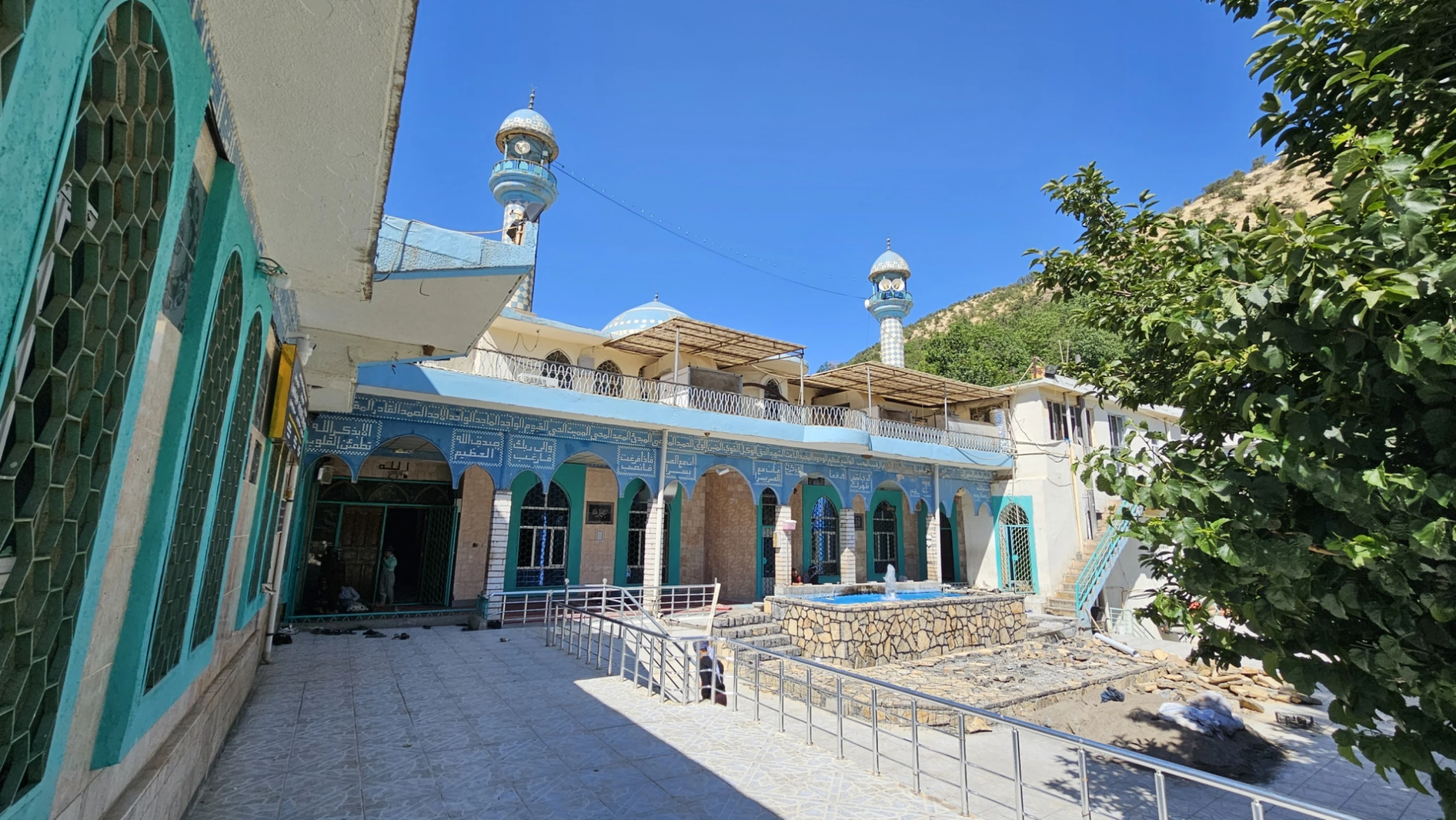
BYARA, Kurdistan Region of Iraq - Rayan Badradin travelled hundreds of kilometers from Duhok to Byara in pursuit of knowledge and spiritual happiness. More than a century after its founding, the town's historic khanaqah is now at the heart of Byara's bid to become one of the United Nations' Best Tourist Villages.
Byara sits among terraced mountains, 74 kilometers southeast of Sulaimani, near the Iranian border. Here, faith, learning, and hospitality converge. As fresh mountain water and air from the nut trees fill the valley, students gather before sunrise to start another day of prayer, Quranic recitation, and study.
The 136-year-old khanaqah and Byara’s beautiful nature have put the town on Iraq’s shortlist for the United Nations’ Best Tourist Villages 2026 initiative.
A living tradition of learning
The historic Byara Mosque, known locally as Khanaqay Biyara, stands at the heart of the town, a significant religious landmark in the Hawraman region.
Attached to it is the historic Byara Madrasa, one of Iraq's oldest Islamic schools, where education continues much as it did generations ago.
Today, 121 students study there, arriving from across Iraq, Iran, Turkey, and Kurdish communities in Europe. Many leave home as teenagers, dedicating years to religious scholarship.
"I came for knowledge and spiritual happiness," Badradin told The New Region.
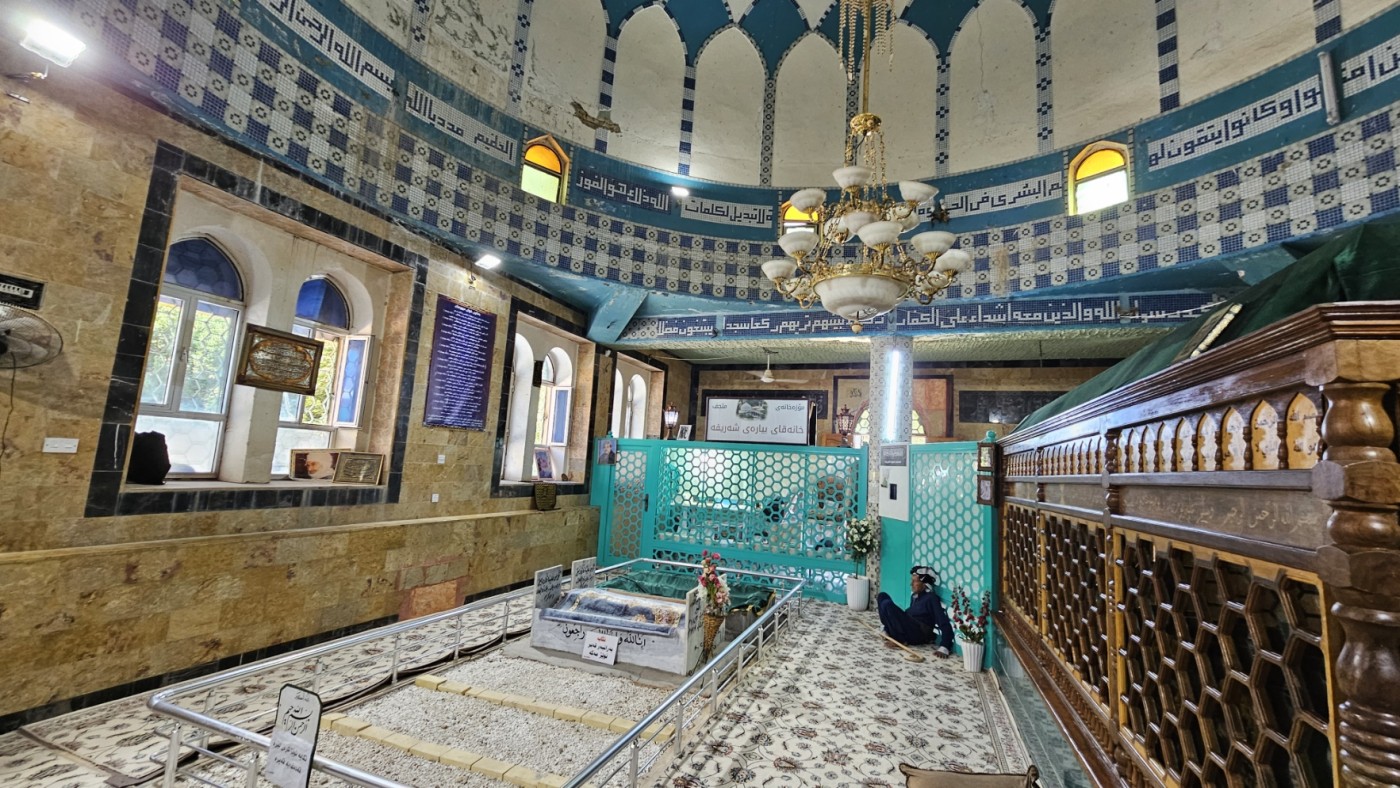
Photo: Dana Taib Menmy
Life in the madrasa is structured and disciplined. Students stay on campus, away from modern distractions. They can use mobile phones only on Fridays, focusing on worship, study, and community.
"The students, as young as 13, start wearing a Kurdish head turban locally known as Jamana, learning to recite the Quran, memorize parts of the holy book, and study Arabic, Islamic sciences, and logic," Badradin said.
For generations, the institution has produced some of Kurdistan's most respected religious scholars. Among its distinguished graduates is Abdul Karim Al-Madaris, who later returned to teach there for nearly a quarter of a century.
Life in the madrasa is structured and disciplined. The madrasa is more than a school; it's a place where learning and moral discipline, spiritual growth, and community service converge.
Kurdistan's own Al-Azhar
Few religious institutions in Iraqi Kurdistan command the respect enjoyed by Byara's khanaqah.
People call it the "Al-Azhar of Kurdistan." It's one of Iraq’s oldest Islamic learning centres.
Fakher Hussein, director of the Byara Mosque and Khanaqah, says Sheikh Omar Dia al-Din al-Naqshbandi founded the mosque and madrasa in 1307 AH (1889-1890 AD).
"Three main sciences are taught here: the 12 Islamic sciences, mystic sciences, and herbal medicine," Hussein told The New Region.
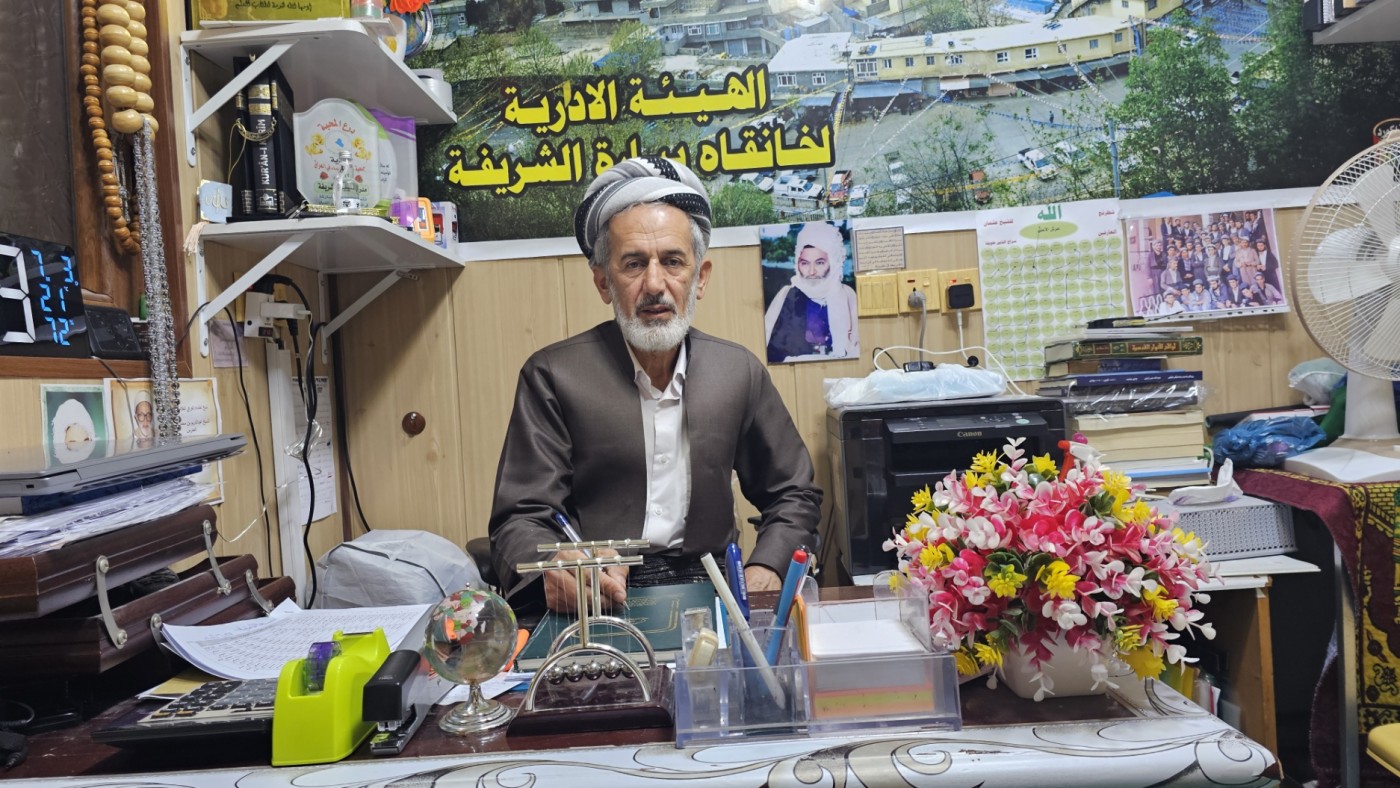
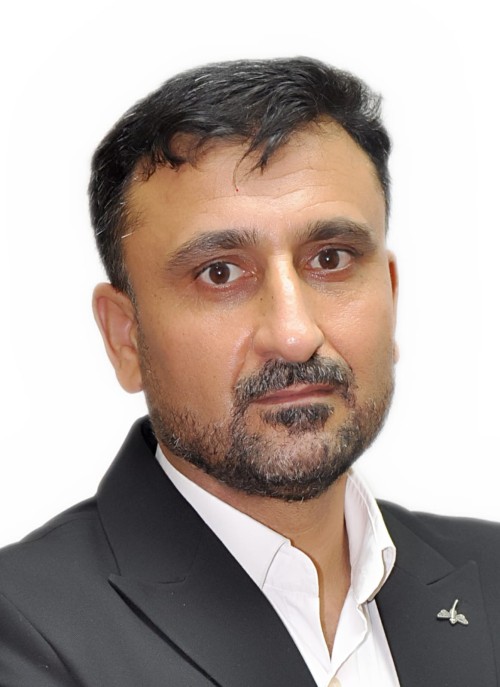
Fakher Hussein, director of the Byara Mosque and Khanaqah Photo: Dana Taib Menmy
This curriculum differs from what many modern religious schools offer.
The Byara Khanaqah belongs to the Naqshbandi tariqah, a Sufi tradition that has had a profound influence on the Muslim world.
"The Naqishbandi Tariqah was first brought into the Kurdistan region by Sheikh Mohammed Othman Sirajaddin, and he received the Tariqah from Mawlana Khalid Sharazuri, and then it was spread across the Kurdistan region and beyond. The core principle is to purify your heart and soul, guided by Quran verses and Hadith from Prophet Mohammed."
Unlike other institutions, the khanaqah focused on spiritual guidance, scholarship, and public service.
Beyond the shadow of Ansar al-Islam
Byara's modern history, however, includes a darker chapter.
In the early 2000s, the town and surrounding areas of Hawraman came under the control of Ansar al-Islam, the militant Islamist group that transformed the region into one of its principal strongholds before Kurdish forces, backed by the United States, drove it out in 2003.
The group imposed a strict interpretation of Islamic law, which clashed with the town's Sufi traditions.
Residents want to make it clear that those years were just a brief interruption in the area’s long history.
For over 130 years before and since, the khanaqah has stood by these values, which differ sharply from those imposed during the Ansar al-Islam period.
A distinctly Kurdish Sufi heritage
The Naqshbandi order has shaped Kurdish religious life for centuries, influencing scholars, tribal leaders, and influential families.
The Barzani family, for example, has roots in the Naqshbandi tradition, long before becoming a leading political dynasty. Their spiritual authority was a crucial aspect of their standing within Kurdish communities.
That spiritual heritage continues to define the khanaqah today, emphasizing humility, ethical conduct, self-discipline, and service to others. Hussein notes that the Naqshbandi tariqah is not a political party.
Unlike some Salafi movements, the Naqshbandi tradition in Byara centers on spiritual purification, not rejecting Sufi practices.
This has drawn criticism from Salafi followers, who accuse Sufis of polytheism.
"Those claims come from ignorance; we never instruct our students to elevate the Sheikhs to Allah's rank or fulfill their demands. The Tariqah's endurance is rooted in purification based on the Quran and Hadith," Hussein said.
For the khanaqah's caretakers, genuine faith is measured by compassion, humility, and respect for others, not just ritual.
Hospitality as an act of worship
Hospitality as an act of worship is Byara's philosophy, evident in how it treats strangers.
The khanaqah serves as a mosque, school, and refuge for travelers, pilgrims, and visitors.
"We follow Sheikh Omar's teaching: serve all visitors with respect, feed them, and ask no questions about their faith," Hussien added.
Guests receive three meals a day without charge, regardless of their background.
During The New Region's visit, an Iranian Kurdish man selling handmade ornaments said he was staying at the khanaqah while travelling through the region.
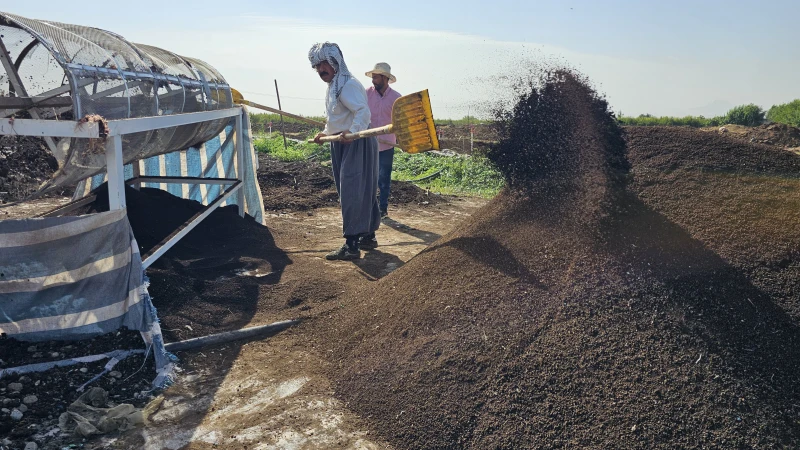
Hussein clarified that the khanaqah supports itself with its orchards and donations from supporters.
The mosque safeguards a treasured relic: strands of hair believed to be from the Prophet Muhammad's beard, preserved beside the tombs of resident sheikhs.
Hussein said the relic was presented by Ottoman Sultan Abdul Hamid II, strengthening its significance.
Looking to the future, Byara's influence extends beyond its natural beauty and ancient mosque.
The Iraqi General Authority for Tourism nominated the town as one of five Iraqi candidates for the United Nations' Best Tourist Villages 2026 initiative.
The nomination honors communities that protect their cultural heritage and encourage sustainable tourism.
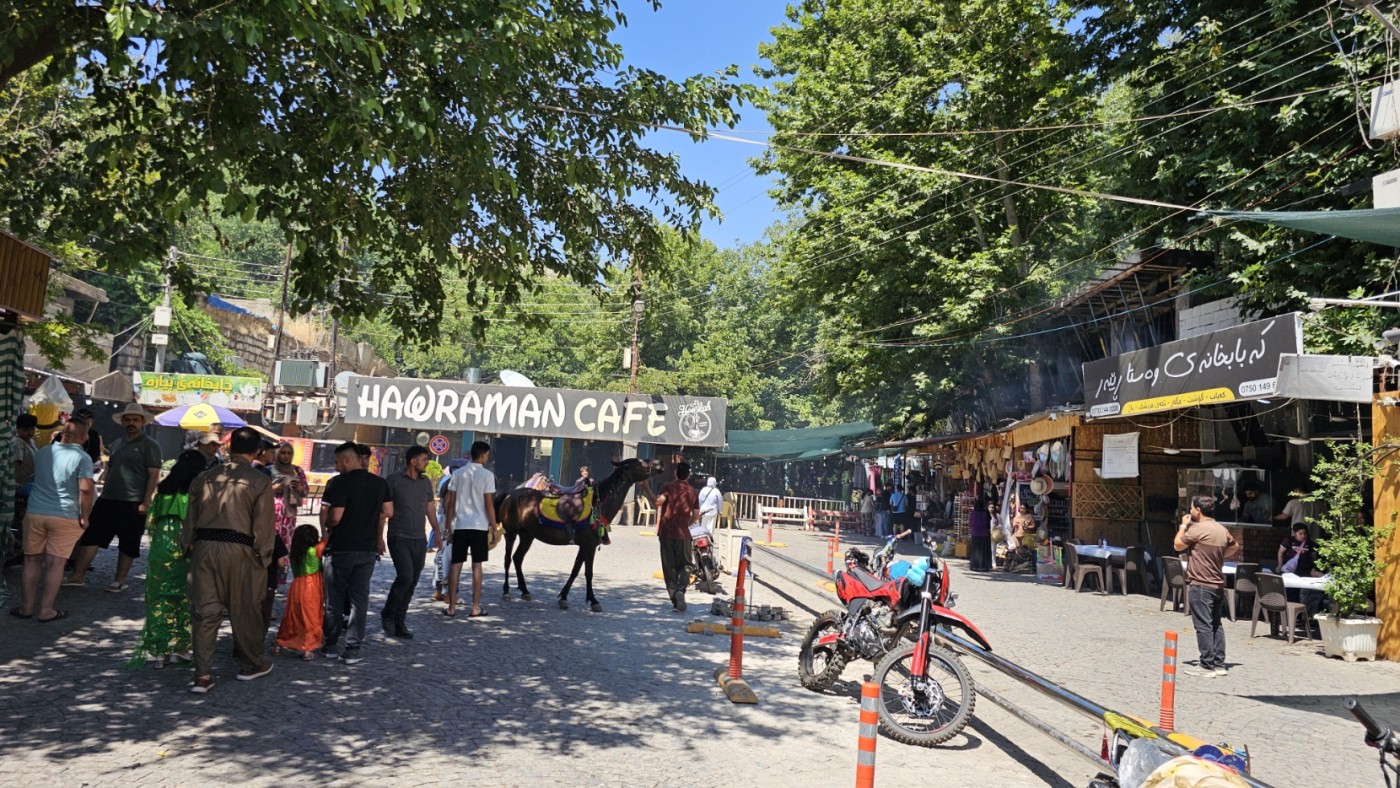
Photo: Dana Taib Menmy
For Byara, these qualities are woven into daily life.
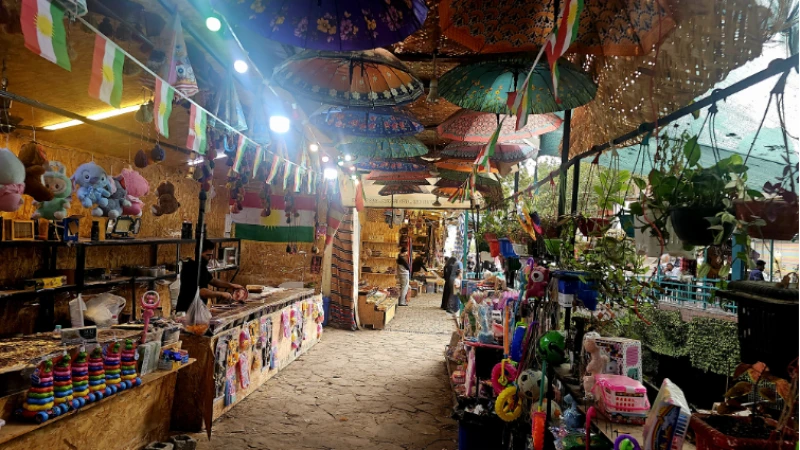
Families travel from Iraq, Iran, and Turkey to visit relatives studying at the madrasa, while others come to experience the village's unique blend of scenery, architecture, and spiritual heritage.
The growing number of visitors benefits local businesses.
"The khanaqah serves all people by offering food and accommodation, contributing to the area's tourism growth," said Salam Mohammed, a teahouse owner.
Unlike destinations built around luxury hotels or commercial attractions, Byara offers a quieter experience.
Visitors remember sharing meals, talking with students, seeing old stone buildings, and experiencing life shaped by prayer, not business.
For over 130 years, the khanaqah has kept a uniquely Kurdish form of Islam alive, based on learning, spirituality, and service. Byara tells a different story: one of learning, generosity, and living together.
 Facebook
 LinkedIn
 Telegram
 X
X