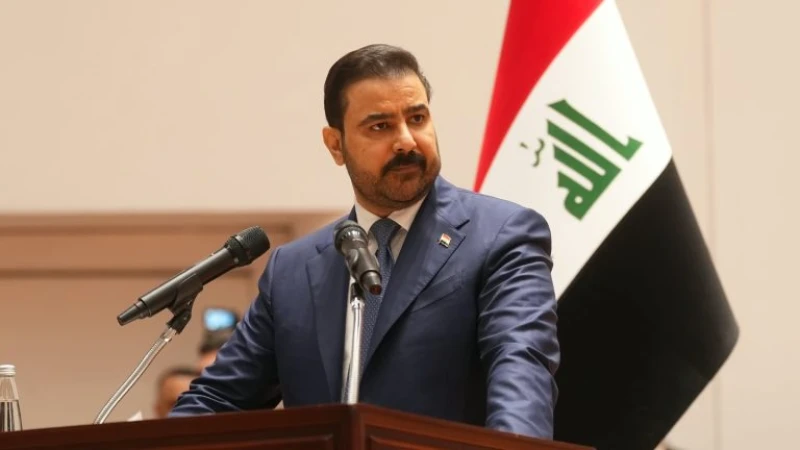
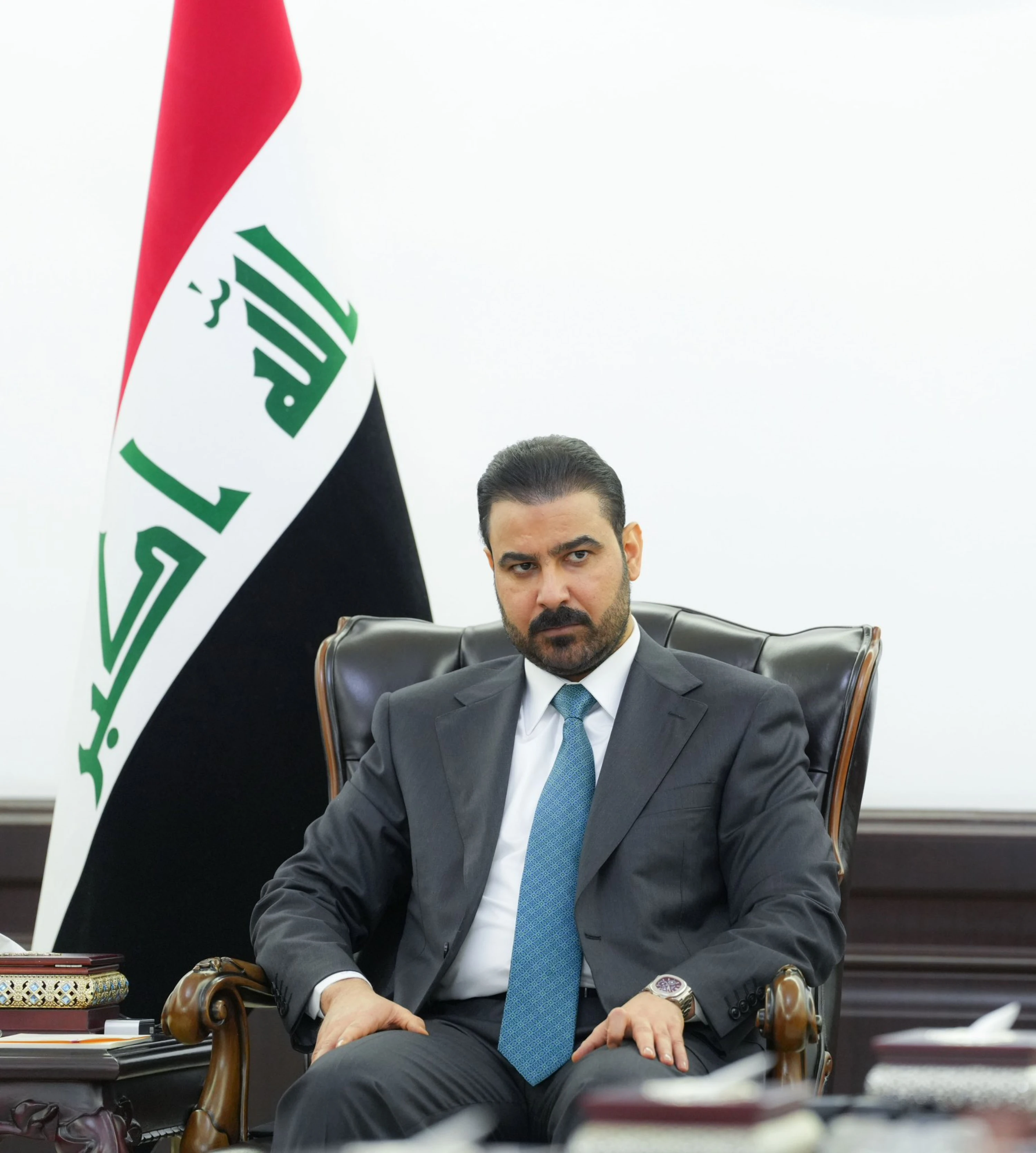
Iraq’s Prime Minister Ali al-Zaidi is in Washington this week to meet with US President Donald Trump, Congressional leaders, and representatives of the US business community in what is publicly touted by both sides as an important visit. When his name was announced as the new prime minister back in May, few had heard of him inside or outside Iraq, baffling almost everyone who had been paying attention to the prime minister selection drama. Zaidi may not have the brand recognition, or even the political experience, to lead Iraq, but being a fresh face has also opened doors for him, creating a sense of a possible fresh start for Iraq and the chance of a reset in its troubled relations with Washington.
Iraqi prime ministers visiting Washington is nothing new. It has become a rite of passage and a signal of international acceptance for Iraqi prime ministers to receive an invitation to visit the United States. All post-2003 premiers, with the exception of Adil Abdulmahdi, have received such invitations, and there is typically some level of fanfare accompanying the news, particularly in terms of expectations for a new chapter in bilateral relations. From Ayad Allawi’s speech before a joint session of Congress in 2004 to Mohammed Shia' al-Sudani’s extensive meetings, including with US business leaders in 2024, there is always hope that something better will follow. Yet the overall arc of Iraq-US relations has been far less impressive, with serious setbacks under premiers Nouri al-Maliki, Adil Abdul-Mahdi, and the final months of Sudani’s term, when he failed to rein in Iran-backed armed factions from joining the recent war on Iran’s side.
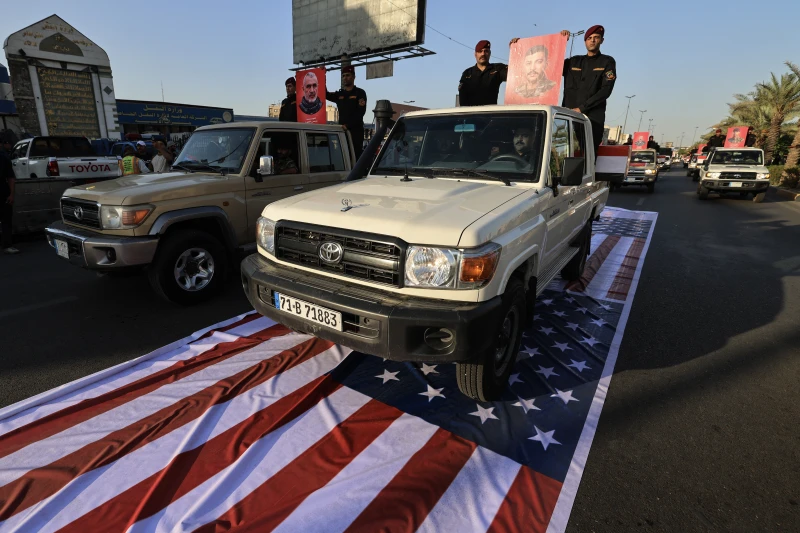
There are high expectations for Zaidi to turn a new page with the US, given the general sense of deadlock in Baghdad-Washington relations following the recent 39-day war involving the US, Israel, and Iran, and after years of efforts to improve relations by persuading the armed factions to refrain from attacking US interests while expanding commercial ties. Zaidi’s predecessor, Sudani, had managed to make some inroads, but the militias’ renewed belligerent behavior during the recent conflict threw that progress to the wind, pushing Iraq-US relations back to square one.
There is an important caveat that needs to be kept in mind when thinking or speaking about Iraqi prime ministers: they are generally not capable of making decisions on their own, as the domestic machinations and intrigues of Iraqi politics tend to produce relatively powerless individuals for the position. This is Zaidi’s main handicap as well. A prime minister can make only as much progress as the people who brought him to power are willing to allow. Iraq is now at a critical juncture, where the future of its more strategic and consequential relationship with neighboring Iran is uncertain. That uncertainty stems from the continuation of the conflict between Iran and the US, with Israel remaining involved and ready to intervene again if circumstances require. Hence, for US-Iraq relations to truly enter a new chapter, the entire Iraqi political class, particularly the Shiite elites, are waiting to see whether the regime in Tehran will survive the continued military and economic pressure over the long run.
On the one hand, the current uncertainty makes the Shiite political class relatively more flexible about improving relations with Washington because, if the Islamic Republic is significantly weakened or collapses, they will have a difficult time surviving in a region surrounded by a host of state and non-state actors generally hostile to them. One thing that is certain is that the participation of Iran-backed Iraqi Shiite militias in Iran’s regional wars over the past decade and a half has not endeared Iraq’s Shiite-led order to its Sunni Arab neighbors.
On the other hand, no matter what troubles Iraq’s close association with Iran brings for Baghdad and its Shiite ruling class, their fate remains strategically intertwined with Tehran’s. They would likely not have survived the past 23 years without Tehran’s strong backing, particularly in the aftermath of the Islamic State’s rise in Iraq and Syria around a decade ago. Geography, combined with centuries of cultural and religious intertwinement, makes Iran all the more irreplaceable and strategically important for Iraq and its Shiite rulers.
The question now is what Zaidi can and cannot do. He can certainly improve commercial relations. Iraq has ambitions to increase its energy output to provide for its growing population and meet rising domestic energy demand. With targets of producing 7 million barrels of oil per day by the end of this decade, alongside efforts to achieve self-sufficiency in natural gas production to meet growing electricity needs, there is a major opportunity for US energy firms to invest. However, this requires a stable Iraq where actors hostile to the US are constrained from sabotaging such commercial relations. Despite years of rhetoric under Sudani that Iraq was stable, open for business, and friendly to America, the experience of the recent war demonstrated that Iraq is only as safe, stable, and friendly to Washington as the next crisis that emerges. And when such crises emerge, often out of the blue, there is little a sitting prime minister can do because of the particular nature of power relations in Iraq and the weakness of state authority.
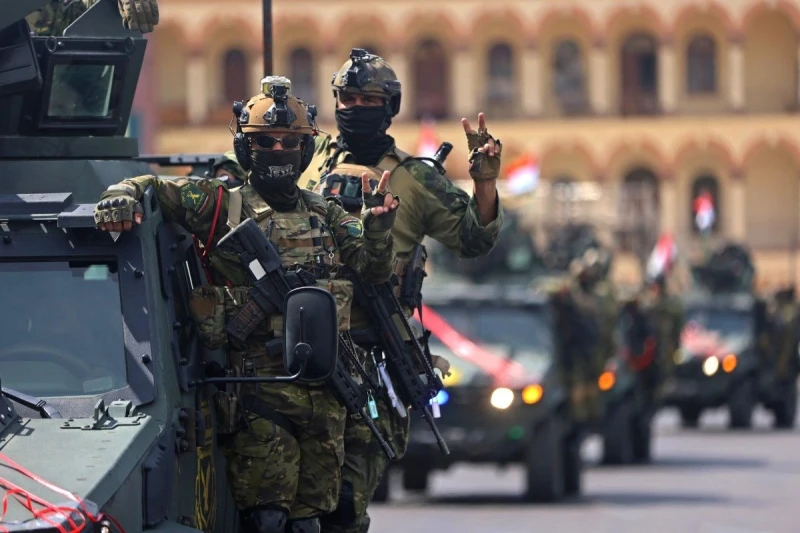
But what Prime Minister Zaidi, and pretty much anyone else, cannot do—or even reasonably promise to do—is resolve the militia question. The more influential segments of these groups continue to resist any attempts to disarm them or, as the official rhetoric in Iraq puts it, to get them to "join the state." Recent media reports also suggest that the groups claiming to be willing to disarm have done little more than hand over scrap weapons, meaning that what is unfolding so far in the name of disarmament is largely a media show. Much of what comes out of Baghdad under the banner of disarmament appears to be a carefully orchestrated campaign to manage US frustration and expectations and without proper verification should not be taken to be credible. For now, the US should insist on maintaining its troop presence in the Kurdistan Region as a means of monitoring militia activity in Iraq and countering Iran's influence in the country. Doing so would also strengthen US credibility with its Iraqi allies while narrowing the space for further destabilizing actions by Iran and its allied militias.
As things stand, Iraq either solves its militia problem or should expect periodic eruptions of tension with the United States and regional states in ways that could undermine the country's diplomatic relations, economy, and, eventually, its stability. The only exception would be if the regime in Tehran survives and reaches a durable agreement with Washington, leading to a lasting moderation in the US attitude toward the armed factions and their acceptance as legitimate political actors. But betting on that seems a bit too risky for Iraq.
 Facebook
 LinkedIn
 Telegram
 X
X