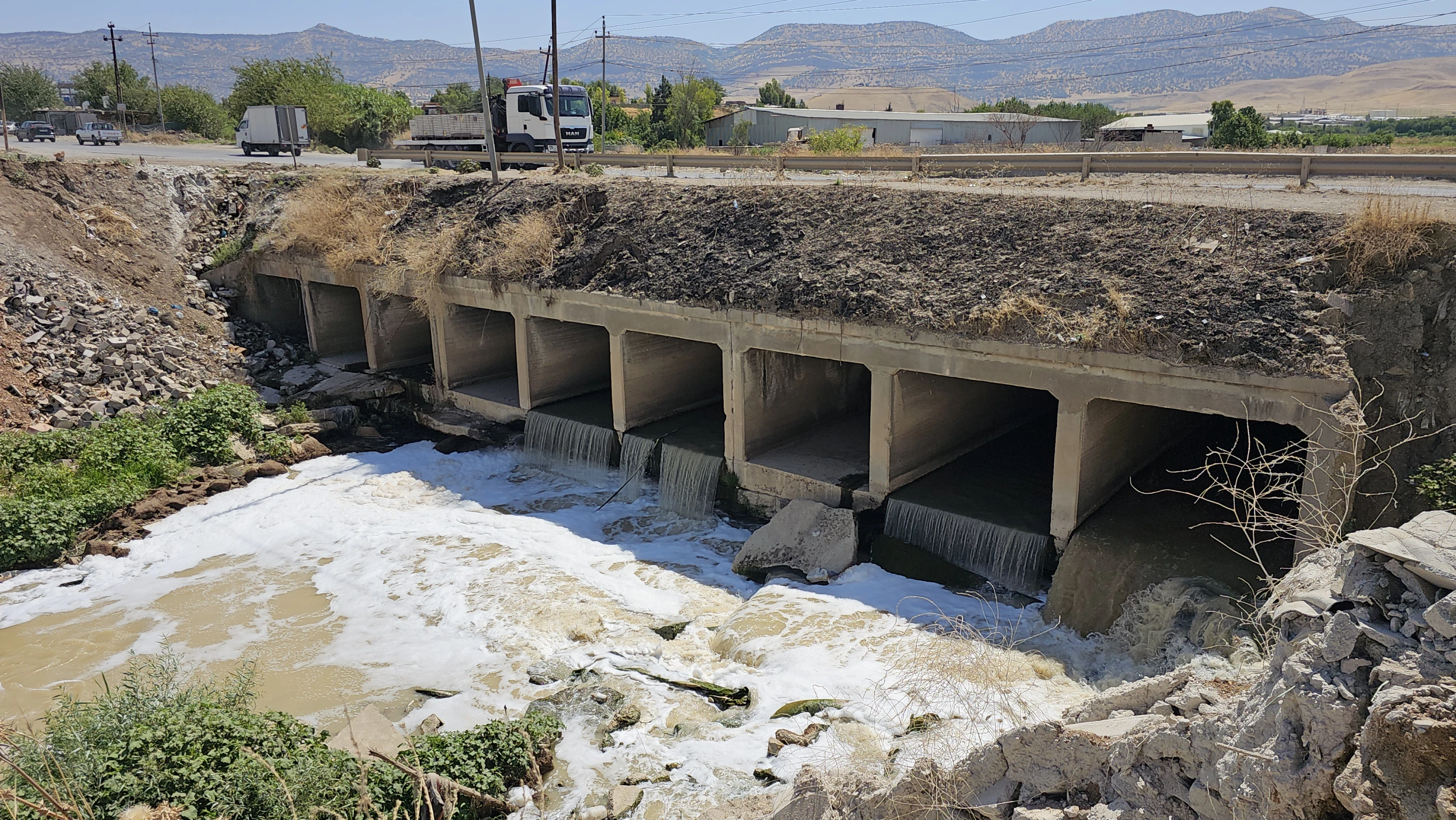
SULAIMANI, Kurdistan Region of Iraq - Once a sanctuary for wildlife and a lifeline for farmers, the Tanjaro River has become a dumping ground for waste, casting a shadow over the lives of people in the Kurdistan Region and Iraq.
Winding through Sulaimani in Iraq's Kurdistan Region, the Tanjaro River originates mainly in the snow-covered Piramagroon Mountains, fed by the Chaq Chaq, Sarchinar, and Qiliasan streams, before joining the Sirwan River and the Darbandikhan Reservoir. Its waters now run toxic with untreated industrial and sewage waste, endangering public health and putting thousands in jeopardy.
“This is not a place to live. We breathe polluted, foul-smelling air, suffer skin diseases from contaminated water, and must buy clean water for drinking and washing,” Diya Mohammed, 22, told The New Region, describing the daily challenges faced by Tanjaro’s residents.
For years, residents have watched in dismay as untreated sewage, industrial runoff, and medical waste pour into the Tanjaro River. The pollution does not stop at Tanjaro, but travels downstream into Lake Darbandikhan, threatening water supplies for countless communities across Kurdistan and central Iraq.
Mohammed runs a small mini-market by the river, where she and her neighbours grapple daily with hardships no one should have to bear.
“Because of dirty water, we have caught many illnesses, including skin diseases. Factory smoke makes it worse. In summer, we can’t use air conditioners because they pull bad smells into our homes. Even sleeping is difficult due to mosquitoes,” she said.
Like many families in Sulaimani’s Tanjaro industrial area, her household has no access to potable water.
“We are purchasing drinking water separately, in addition to purchasing water for other purposes such as washing and irrigating plants,” she said.
Even the simple act of walking to her shop has become an ordeal. She seldom ventures out alone, wary of the stray dogs that roam the neglected streets.
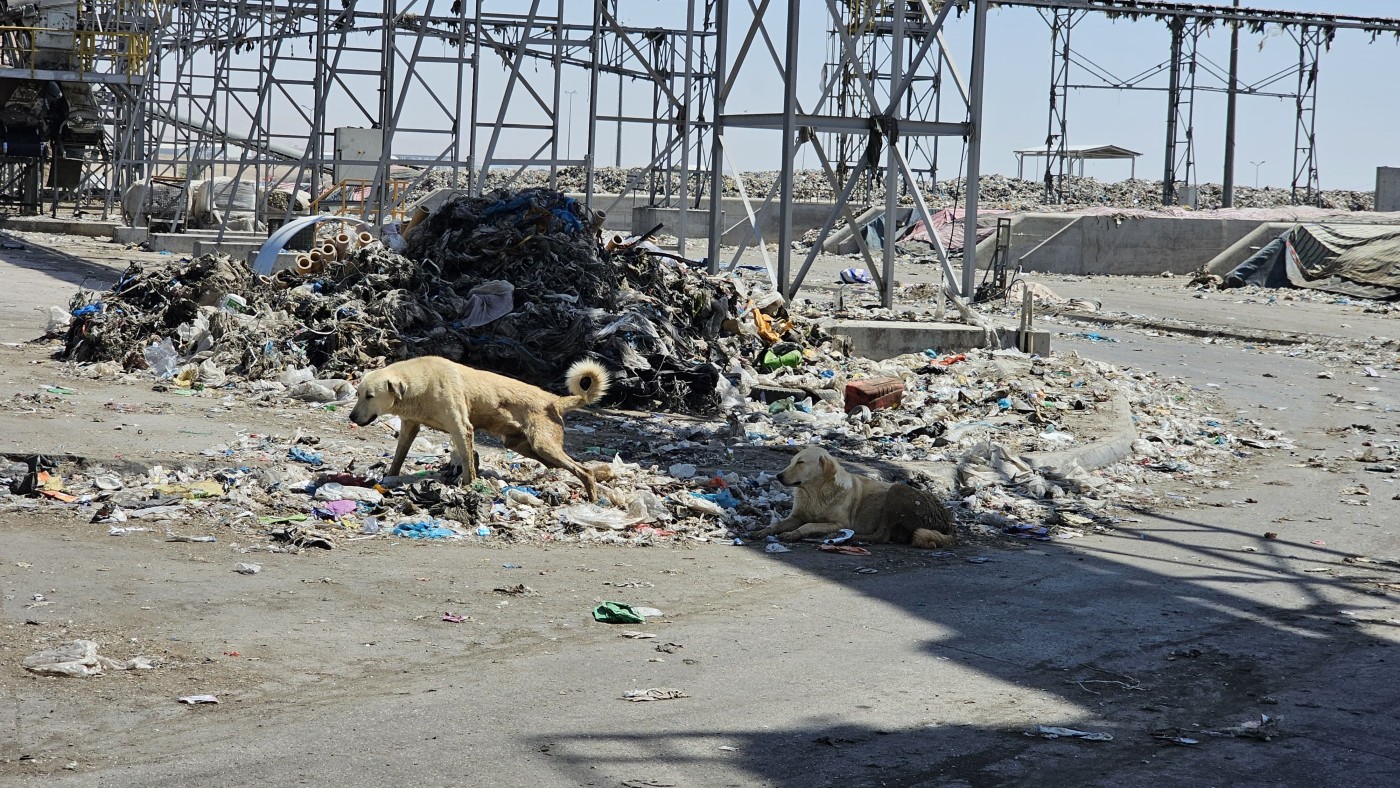
Photo: Dana Taib Menmy
Mohammed has lost hope that authorities can improve the situation, and her only dream now is to leave Tanjaro behind for good.
For two decades, Akram Omar, has run a modest tyre repair and oil-change shop in Tanjaro. He echoed Mohammed’s frustration.
“We are living in miserable conditions; all locals are suffering from illnesses due to the burning of medical waste into the air, and due to bad smells,” he said.
“Sewage and dirty water are thrown into the Tanjaro stream, and the water is so heavy and contaminated that it is killing all animals and living creatures.”
Beyond pollution, residents contend with rutted, unpaved roads, relentless industrial traffic, and a constant haze of dust.
“Tanjaro is an industrial area, but many poor families are living in the area,” Omar said, adding that households are forced to purchase water for virtually every domestic need.
A crisis built over decades
Despite repeated pleas from residents, government bodies responsible for Tanjaro—such as the Sulaimani Directorate of Environment, the Municipalities Directorate, and the Kurdistan Regional Government's Ministry of Health—have done little to confront the crisis. Coordination and decisive action remain lacking.
During a visit by The New Region to the Sulaimani Directorate of Environment, officials declined to comment on the environmental situation in Tanjaro.
Previous health surveys have shown that Sulaimani records some of the highest cancer rates in Iraq.
According to the Sulaimani health directorate, 3,145 new cancer cases were registered in 2025, including 1,448 cases, among them 190 children, who live in downtown Sulaimani.
Hersh Salim, deputy director of Sulaimani health directorate, during a phone interview with The New Region, admitted that pollution, including that of Tanjaro, has affected increasing cancer rates. However, he said that cancer rates across the Kurdistan region “is high, but have not surpassed the international standards.”
He also attributed the persistently high cancer rates to a mix of environmental and lifestyle factors—pollution in Tanjaro, factory emissions, poor-quality food, and unhealthy habits. Industrial facilities, he notes, "have a very bad impact" on public health.
The crisis has grown so dire that authorities can no longer look the other way.
In June, Kurdistan Region Deputy Prime Minister Qubad Talabani chaired a meeting with the Sulaimani environment directorate to discuss pollution in the Tanjaro basin.
“The Tanjaro issue is an environmental disaster that affects not only Sulaimani but many other parts of Iraq, posing significant health risks to residents through river water pollution. As such, it is a national priority, and the Iraqi government must participate in reaching a radical solution,” Talabani wrote on his official Facebook page.
He said the KRG would begin discussions with Baghdad to secure funding for major environmental projects while introducing immediate measures, including the formation of a specialised committee to oversee the crisis.
Now, the crisis has spilt over into Baghdad’s attention.
During a meeting hosted by the Vision Foundation for Strategic Studies with Iraq's Minister of Environment Srwa Abdulwahid, participants warned that pollution in the Kurdistan Region has direct environmental consequences for the rest of Iraq.
According to the foundation’s website, Abdulwahid pledged to mobilize the ministry's available resources to support efforts to address environmental degradation in Tanjaro.
Pollution flows downstream
Environmental expert Khaled Sulaiman says that while the situation is challenging, it remains reversible if authorities invest in essential infrastructure.
“We cannot say that the Tanjaro River is a disaster; rather, it is an environmental crisis, mainly originating from the fact that so far Sulaimani lacks sewage processing units, and the sewage directly pours into the river and then into Lake Darbandikhan,” he told The New Region.
He pointed out that pollution from factories has only deepened the crisis.
“There are many factories in the area, for example, car oil factories, that do not have special environmental units for treating their industrial wastes, which are often thrown into the river or left to pollute the soil. Thus, Sulaimani's sewage and industrial waste are the main pollutants of Tanjaro River, consequently also contaminating underground water.”
One positive development, he notes, is that the Asia Renewable Energy plant is working close to the river and processes between 900 and 1,000 tons of solid waste each day and converts it into refuse-derived fuel (RDF).
“However, this initiative only treats solid waste and cannot treat liquid waste,” Sulaiman said.
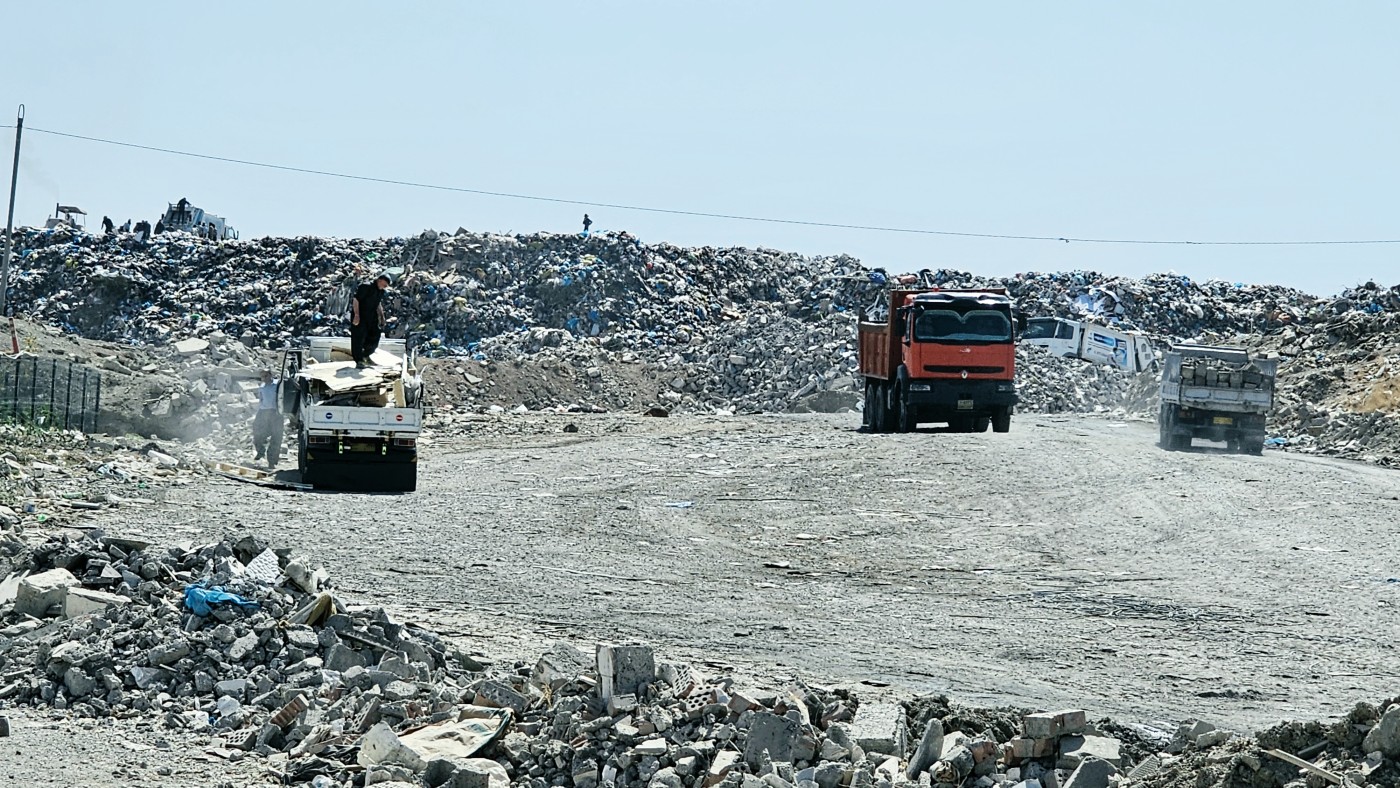
Photo: Dana Taib Menmy
Laws exist on paper, but enforcement stalls
On paper, the Kurdistan Region has one of Iraq's strongest environmental legal frameworks.
Law No. 8 of 2008 prohibits dumping untreated industrial waste, requires environmental impact assessments before major projects, and gives authorities the power to fine or close polluting facilities.
The legislation also obliges industrial facilities to install waste-treatment systems and empowers the Environment Board to monitor compliance.
Environmentalists argue the real problem is not a lack of laws, but a lack of enforcement, often due to limited resources, political interference, and a lack of accountability.
Private factories, refineries, and other industrial facilities continue to operate without adequate waste-treatment systems, and untreated sewage from Sulaimani still flows directly into the river.
Looking for solutions
The Vision Foundation for Strategic Studies has submitted a proposal aimed at tackling the crisis.
Amanj Kakarash, the foundation's head of projects, stated that the scale of pollution requires international assistance.
“We have prepared a proposal to resolve the Tanjaro River pollution, which is a significant issue that requires foreign aid to implement. Currently, the UNDP [United Nations Development Programme] and other donors have been notified,” he told The New Region.
According to Kakarash, the priority should be preventing Sulaimani's sewage from entering the river.
He also recommended introducing chemical and physical methods to clean polluted sections of the river and relocating the city's medical waste landfill further from the watercourse.
The New Region contacted the UNDP by email regarding the proposal, but has not received a response by the time of this publication.
Sulaiman believes practical solutions already exist.
“The most rapid solution is that the pollutant factors should be minimized through investing in building special processing plants for sewage, industrial and medical waste. Polluting factories should be obliged to build their own special units to treat wastewater, solid waste, and their industrial waste,” he stressed.
He said treated wastewater could ultimately be returned safely to the river while also supporting fertilizer production, reducing pressure on both the environment and agriculture.
For families who remain along the Tanjaro River, promises for the future bring little comfort today.
Every day, they buy water that should flow freely from their taps, breathe air they fear is poisoning them, and watch helplessly as pollution drifts downstream.
Despite years of warnings, the Tanjaro River remains one of the region's biggest environmental crises. A 2022 assessment by Waterkeepers Iraq found 245 threats along the river, which is no longer safe for drinking, swimming, or fishing.
Untreated sewage, industrial runoff, oil spills, illegal dumping, gravel mining, and drought have turned a once-vital river into a toxic menace, threatening lives far beyond its shores.
Experts have mapped out solutions—stricter enforcement, modern treatment plants, habitat renewal, and ongoing monitoring—but progress is stalled. For those living by the Tanjaro River, promises ring hollow without real action. Until change comes, the river stands as a stark testament to the price of environmental neglect.
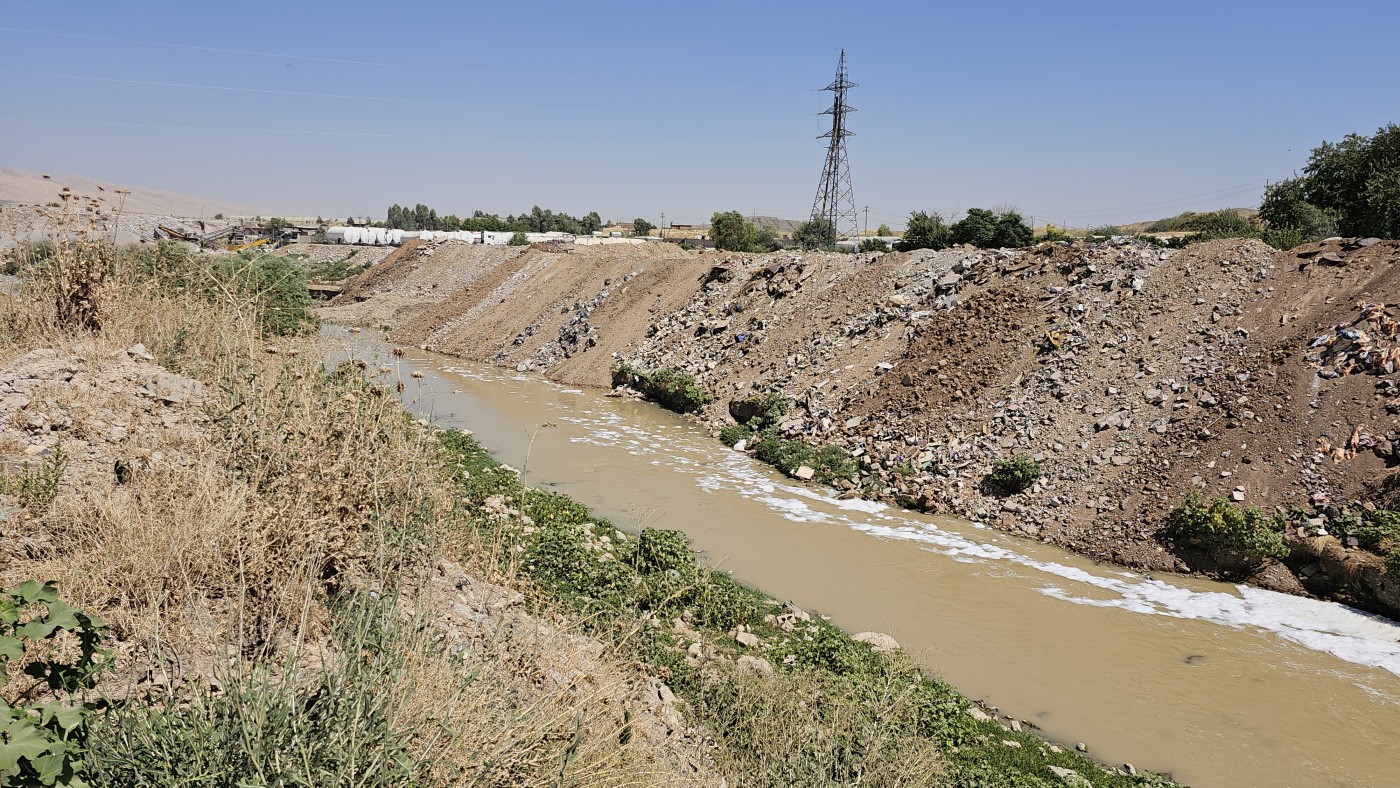
Photo: Dana Taib Menmy
 Facebook
 LinkedIn
 Telegram
 X
X