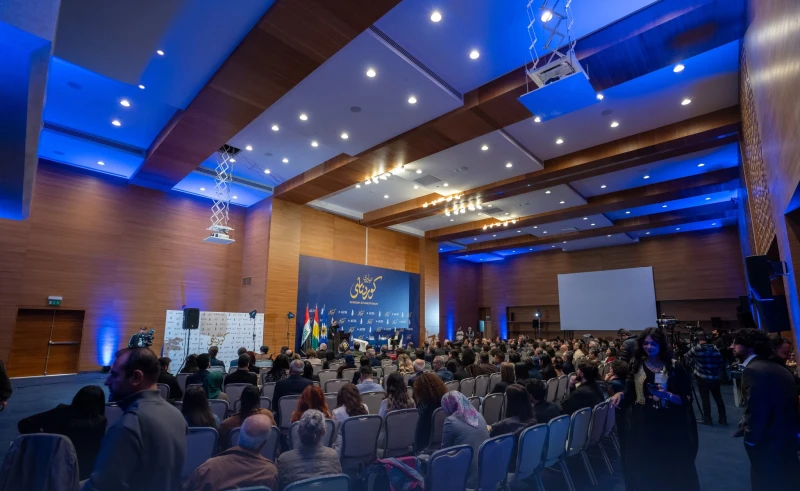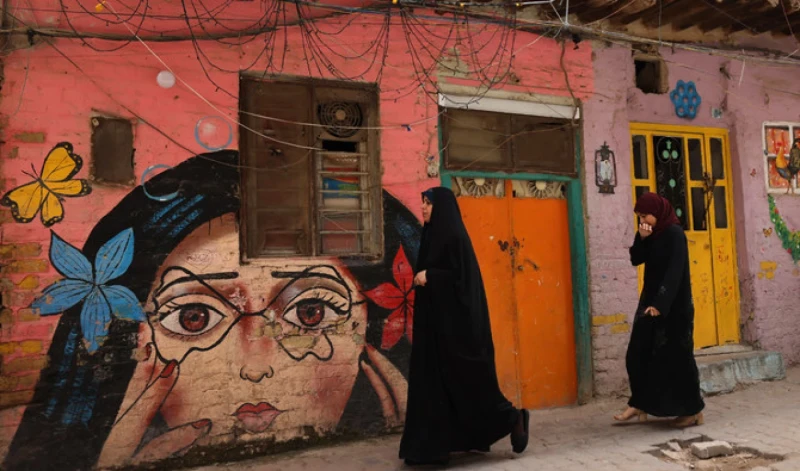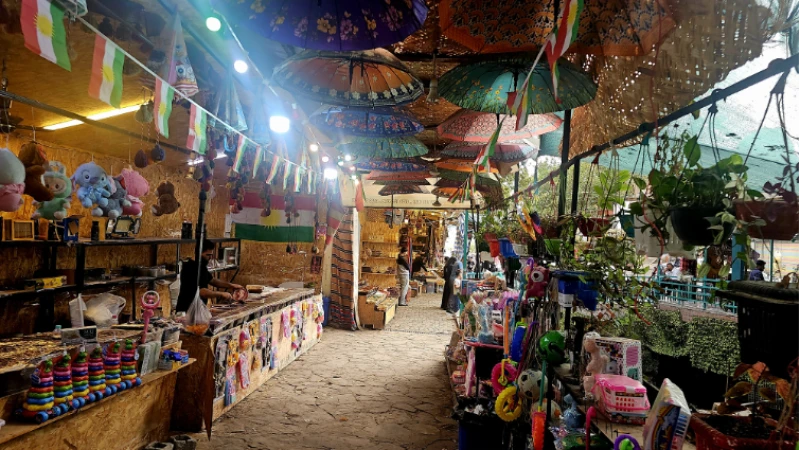
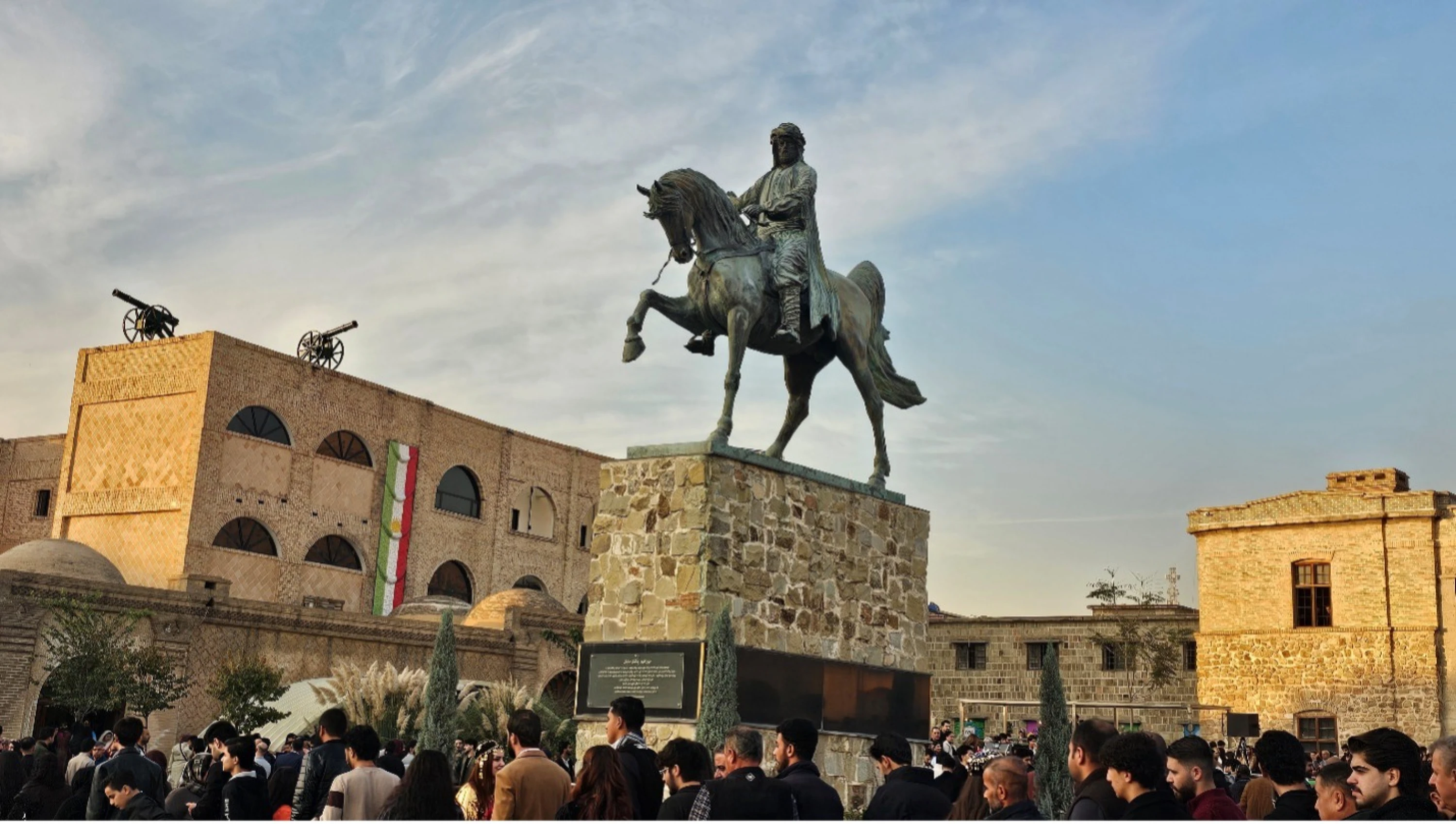
SULAIMANI, Kurdistan Region of Iraq – As Sulaimani marked the 242nd anniversary of its founding on Saturday, residents reflected on the city's legacy as a center of Kurdish culture, literature, and national history, while voicing concerns over growing political interference, restrictions on freedoms, and inadequate infrastructure.
Sulaimani, the Kurdistan Region’s second-largest city, was founded on November 14, 1784, by Kurdish prince Ibrahim Pasha, who named it after his father, Sulaiman Pasha.
Surrounded by the Azmar, Goizha, and Qaiwan mountains, the Kurdistan Parliament has named the city the Region’s cultural capital, and UNESCO has recognised it as a Creative City of Literature since 2019.
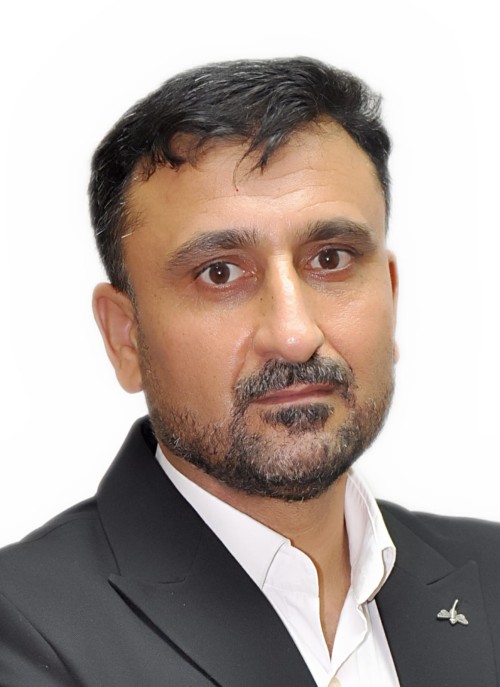
“Unfortunately, this year’s anniversary coincides with a sensitive political situation in the Kurdistan Region, with Sulaimani becoming the focus of many local and international media outlets,” Bashdar Baziani, an independent Kurdish journalist who was arrested by PUK’s Asayish (security) forces in Sulaimani last year over publishing critical and investigative reports on corruption, told The New Region at the city’s iconic Saray Azadi square.
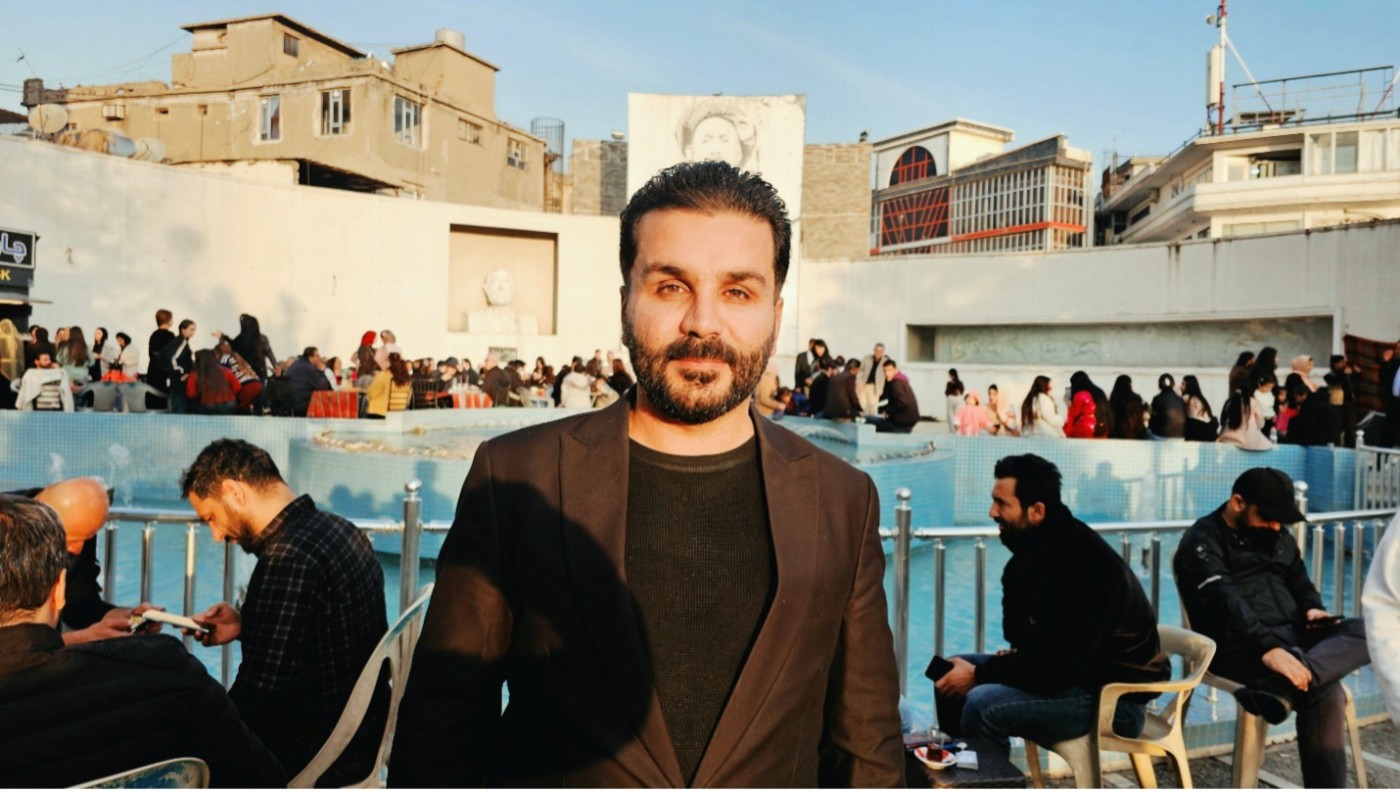
Bashdar Baziani, an independent Kurdish journalist. Photo: Dana Taib Menmy
His remarks come amid escalating tensions between the Kurdistan Democratic Party (KDP) and the Patriotic Union of Kurdistan (PUK), following the resumption of the Kurdistan Parliament earlier this month. The PUK and its ally, the New Generation Movement, boycotted the session, while the PUK has threatened to establish a parallel administration in Sulaimani.
The PUK remains the dominant de facto political force in Sulaimani, where it has maintained considerable political and administrative influence. Despite its dominance, the PUK's electoral support represents only a fraction of Sulaimani's population of more than two million. In the October 20, 2024 Kurdistan parliamentary elections, the party secured 257,359 votes in the province, making it the largest single political force but without securing the support of a majority of its residents.
“Unfortunately, Sulaimani has retreated in recent years from being a city of free speech and a free press. Independent media outlets and critical voices have been pushed out to the extent that I can say you either have to side with a political party or you cannot stay,” Baziani said.
He also criticised the city’s public services, saying they had failed to meet residents’ expectations compared with other Kurdish cities.
Culturally, he described Sulaimani as increasingly “locked,” contrasting its present condition with the cultural movement that flourished there five decades or even a century ago.
“Back then, it embraced a major cultural movement, but it is no longer like that. The modern world has brought no good for Sulaimani,” he said.
Infrastructure and public services
Sulaimani’s local administration has launched several infrastructure projects, including underpasses and flyovers, to address chronic traffic congestion and road accidents. However, questions remain over how some of these projects are financed.
Information obtained by The New Region indicates that private-sector companies have been offered valuable public land plots in return for financing and implementing infrastructure projects.
Meanwhile, the city’s 100-meter highway, launched in 2013, remains unfinished despite several budget allocations by the Kurdistan Regional Government (KRG).
Public schools also face overcrowded classrooms and outdated teaching methods, while residents continue to complain about inadequate drinking water supplies, even during periods of increased rainfall, despite the governorate’s access to major water resources such as Lake Dukan and Sarchinar spring.
Baziani argued that infrastructure deals involving public land do not necessarily address the city's underlying needs.
“Those projects are not considered real services to the people; rather, they are seen as shadow projects. When the administration gives land plots to investors to create projects, this is seen as a painkiller for the city’s basic needs, while proper public services remain absent,” he said.
Baziani also questioned the commitment of local officials, arguing that most were appointed from outside the city and were therefore disconnected from residents’ daily difficulties.
Not everyone shares this assessment. Some residents believe Sulaimani has continued to preserve its cultural identity while gradually making progress in reconstruction.
“What has been done for Sulaimani has been done by its own people, including protecting Kurdish culture and heritage,” Kovan Karzan, an engineer and owner of a tourism group, told The New Region while wearing traditional Kurdish clothes at Sara Square.
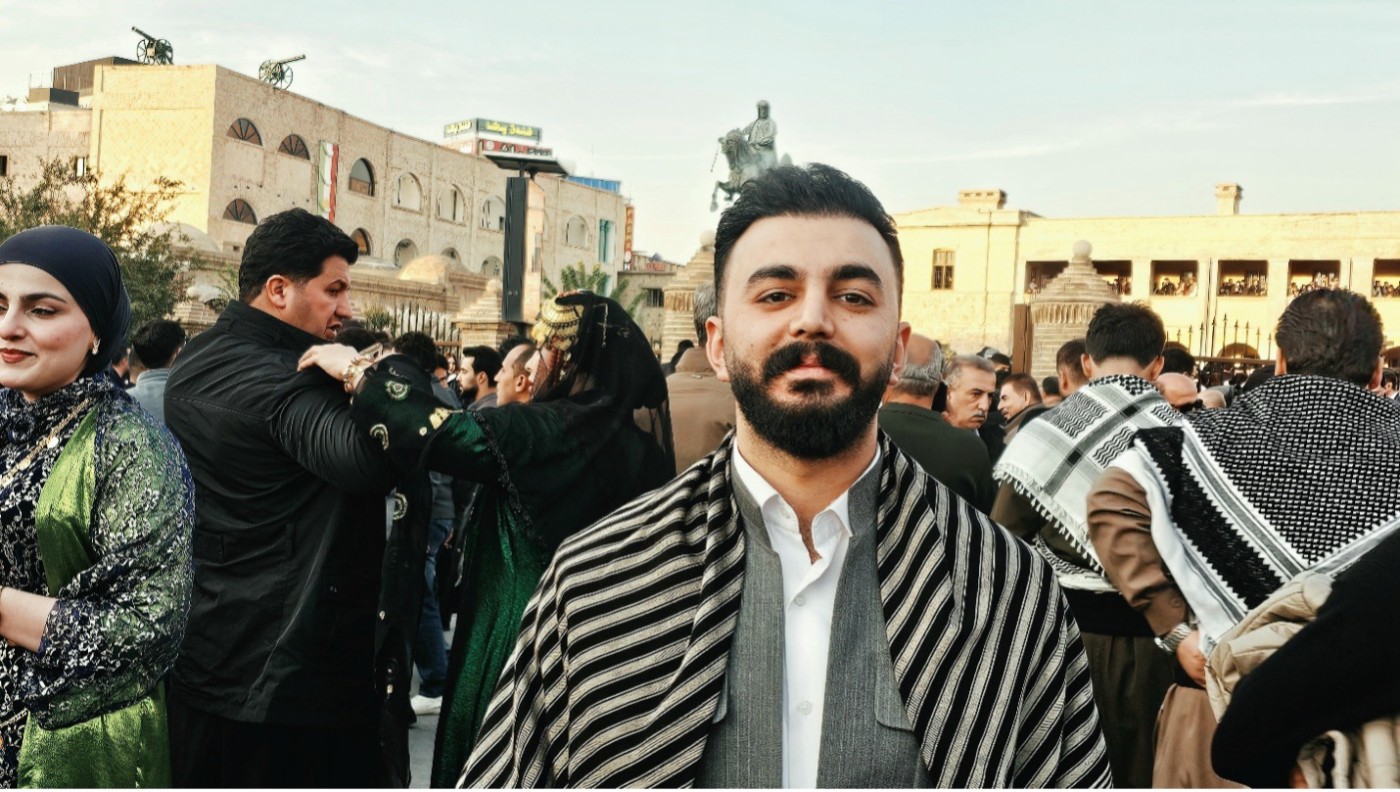
Kovan Karzan, an engineer and owner of a tourism group. Photo: Dana Taib Menmy
“Regarding reconstruction, it is true that there was an impasse in projects in the past, but the situation has improved, and gradually we are seeing new projects being built,” he said.
Karzan added that the city has considerable tourism potential, particularly once the Sulaimani Corniche project is completed. However, he said the wider economic downturn affecting Iraq had also damaged the local tourism sector.
Youth struggling to make ends meet
The economic difficulties facing residents were visible just meters away from where Karzan spoke.
A university student was selling children's toys on the street to raise money for his education after financial difficulties and unemployment forced him to postpone his studies the previous year.
“Sulaimani has very limited job opportunities because of deteriorating public services. Graduates and young people want to work and become independent, but the authorities are creating many obstacles,” Ahmed Othman told The New Region.
He said he had been accepted into a university college last year, but could not afford the expenses.
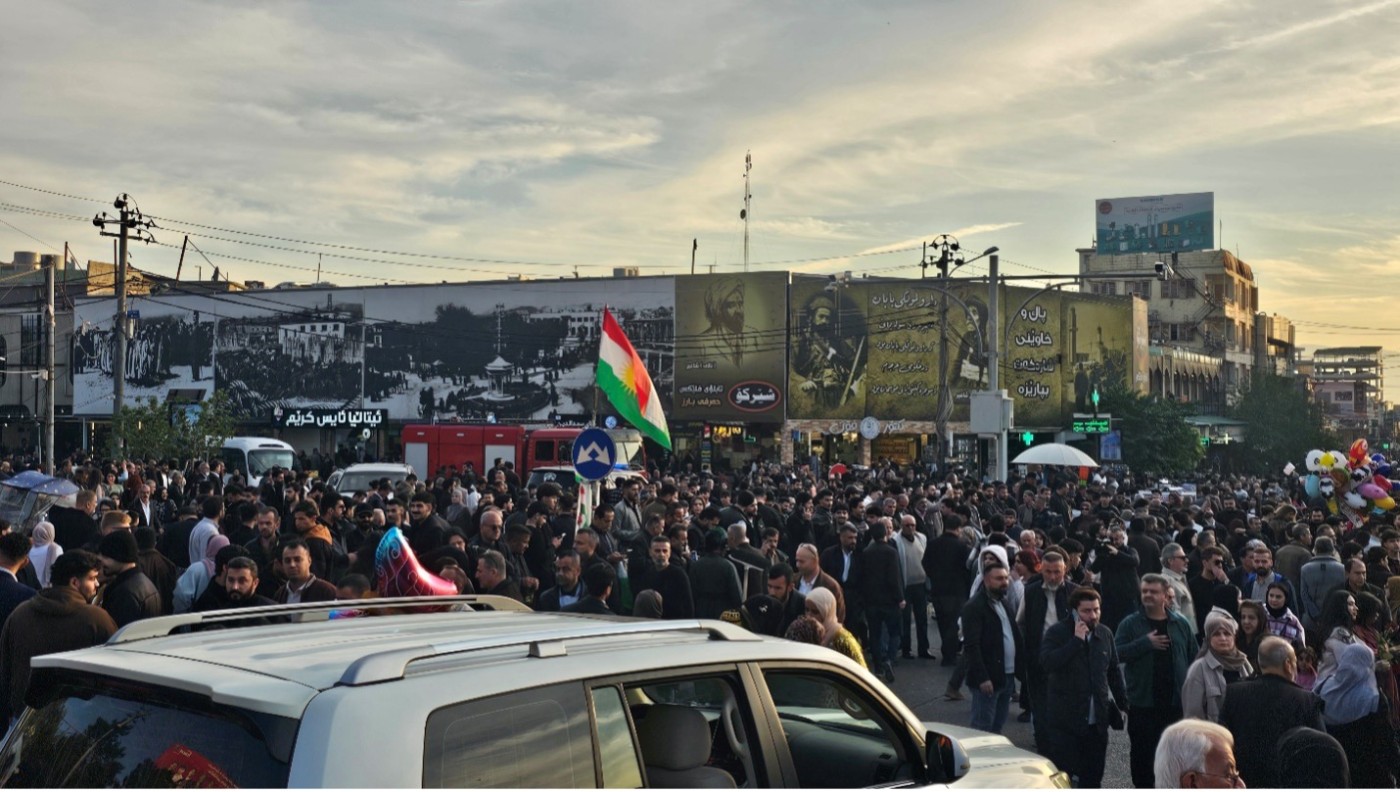
Photo: Dana Taib Menmy
“This year, I hope to afford my education by selling these children's toys. Otherwise, if the situation continues without job opportunities, I may have to abandon my studies and work simply to earn my daily bread,” he said.
Official figures present a more favourable picture of the province’s economic conditions. Data from Iraq’s planning ministry and the Kurdistan Region Statistics Office (KRSO) puts Sulaimani’s poverty rate at 7.9 percent, the second-lowest in Iraq, compared with the national rate of 17.5 percent. The province also records the Kurdistan Region’s lowest overall unemployment rate, at 13.61 percent.
However, broader labour-market indicators point to persistent challenges. Female unemployment in the Kurdistan Region stands at 27.7 percent, compared with 8 percent for men, while youth unemployment reaches 37.2 percent.
The figures highlight the gap between headline poverty and the economic pressures experienced by households, particularly young people and women seeking employment.
For a city that once helped shape Kurdish cultural and intellectual life, its 242nd anniversary has therefore prompted more than celebrations of its history. Residents' accounts suggest that the challenge facing Sulaimani is not simply completing roads or launching new development projects, but restoring the freedoms, public services, and economic opportunities that many believe have gradually diminished.
 Facebook
 LinkedIn
 Telegram
 X