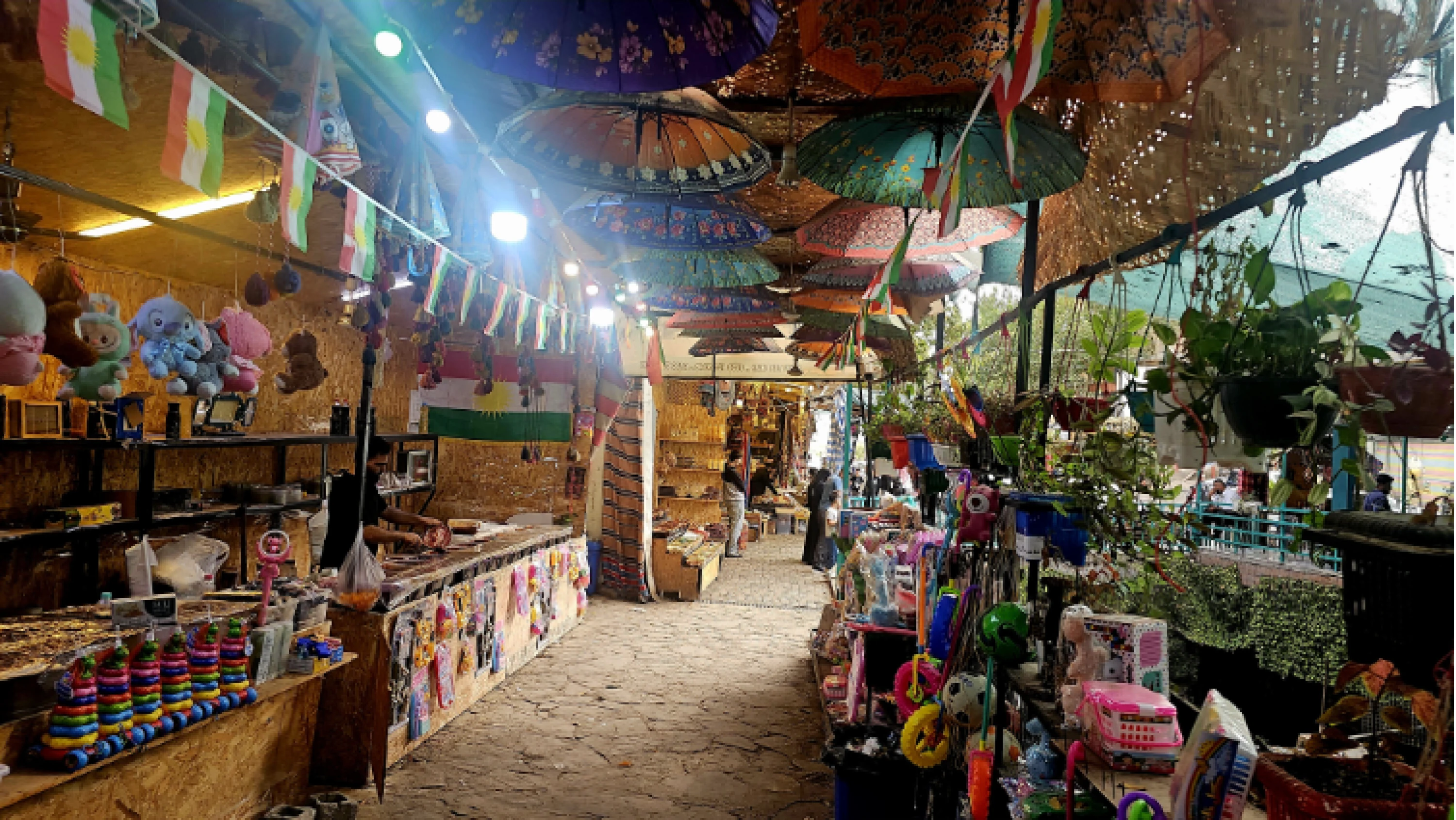
BIYARA, Kurdistan Region of Iraq - Across a narrow stream marking the border between the Kurdistan Region and Iran in the Hawraman mountains, Arab families from southern and central Iraq stroll through Biyara’s bazaar, photographing the steep valleys and clear water while praising the calm and security they find in the Kurdistan Region.
On the same streets, elderly Iranian Kurds sell medicinal herbs or discreetly trade smuggled petrol, having traveled long distances to escape the economic pressures that define life on the other side.
The contrast is stark. In the parts of Hawraman it administers, the Kurdistan Regional Government (KRG) has encouraged tourism, drawing hundreds of thousands of visitors from southern and central Iraqi provinces. Hotels remain scarce, but chalets and simple facilities have sprung up amid orchards and mountain scenery.
Across the stream, Iranian authorities treat the border zone primarily as a security concern, limiting investment and leaving local communities grappling with high inflation, unemployment, and a sharply devalued currency under the weight of international sanctions.
A mountain landscape shared, a future divided
Hawraman straddles the Zagros mountains along the Iraq-Iran frontier. The Iranian side was inscribed as a UNESCO World Heritage cultural landscape in 2021 for its centuries-old terraced villages, walnut orchards, and distinctive Hawrami Kurdish traditions.
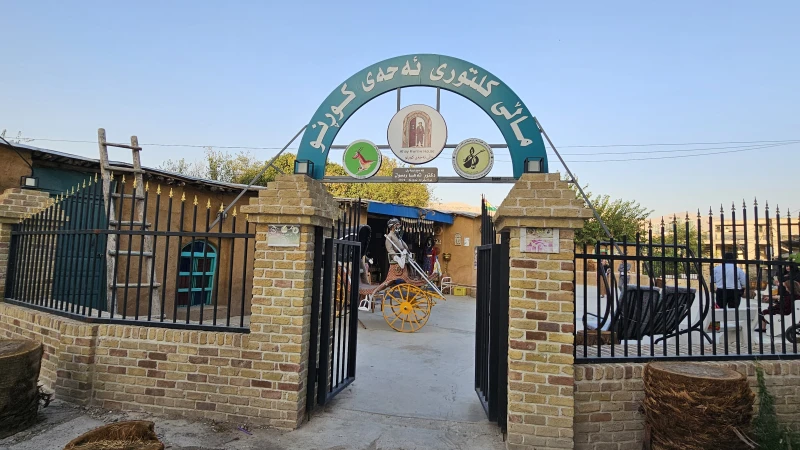
The Kurdistan Region’s side, centered on Biyara in Halabja province, shares the same rugged beauty, stone architecture, and spiritual heritage. Biyara’s historic khanaqah, a Sufi lodge and religious school more than 135 years old, has long served as a center of learning and remains a focal point for the town’s identity.
The KRG has invested heavily in the area. Road renovations, water networks, and basic infrastructure projects have improved access, while local officials say Hawraman and Halabja together attract hundreds of thousands of visitors each year. Tourism opportunities, including resorts near springs and waterfalls, are being promoted with tax incentives as the Region seeks to diversify beyond oil.
For local businesses, the influx of visitors has brought a welcome boost.
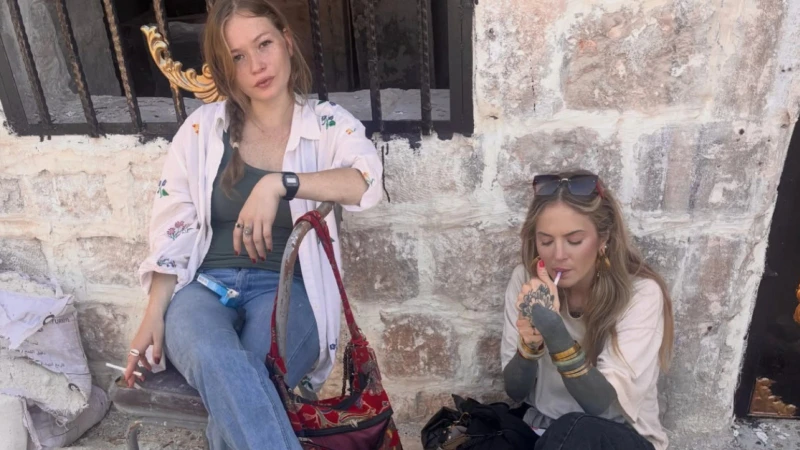
Rangeen Alakaram, a Kurdish woman in her late 40s who works at the Queen of Kalana small shop, told The New Region: "Thanks to God, there is a boom in tourists here in Biyara, and they prefer our kalana and nut toast."
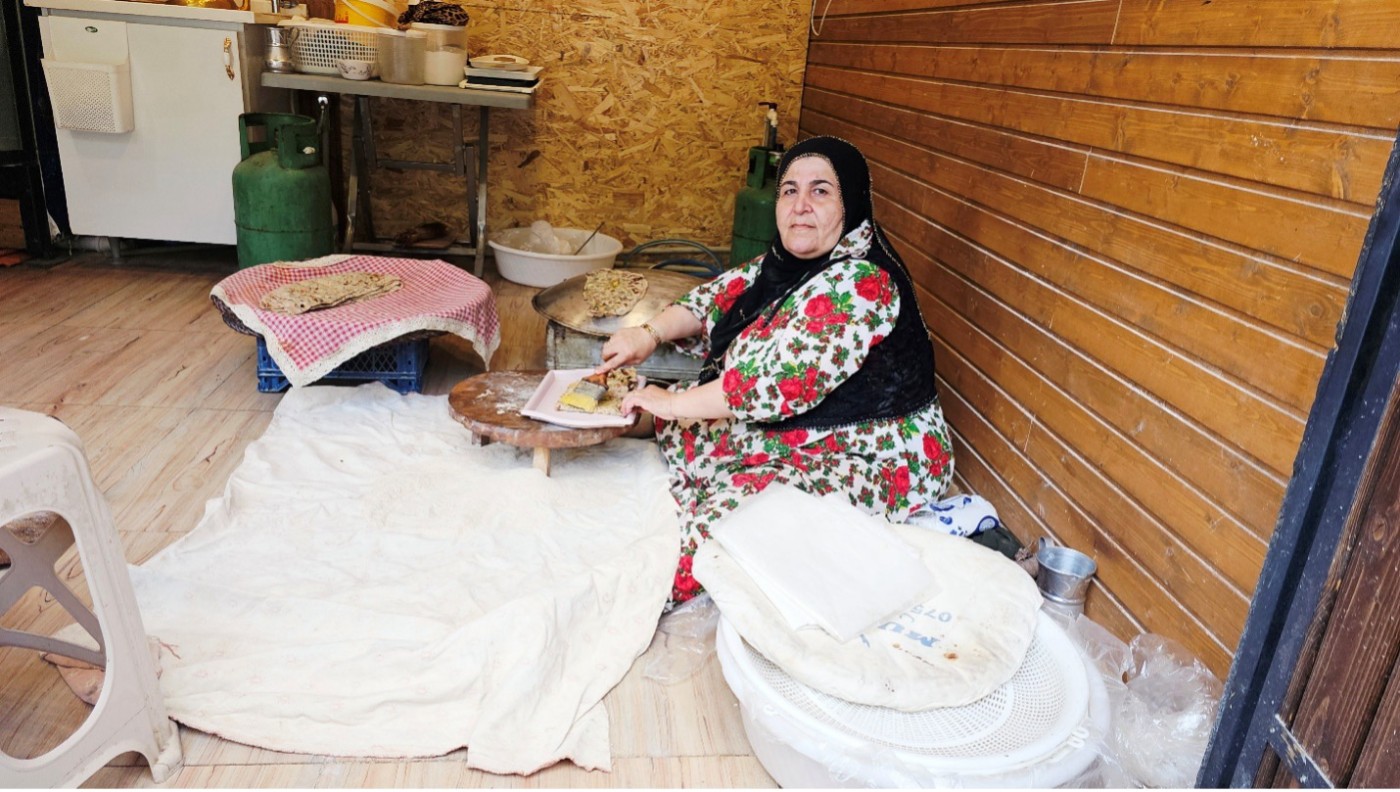
Rangeen Alakaram, a Kurdish woman working at the Queen of Kalana small shop.
Kalana is an ancient Kurdish flatbread made with sliced green onions, cooked on a traditional griddle, and brushed with rich Kurdish oil. Thin and crispy, it can be served savory or sprinkled with sugar, and has become one of the simple foods that visitors associate with Hawrami hospitality.
Biyara’s appeal extends beyond its landscape. Its climate, mountain scenery, hospitality towards visitors, and peaceful coexistence among local communities have helped make it an increasingly popular destination for domestic tourists seeking a tranquil retreat.
Mohammed Obaid Salman, a health worker from Babil province, stood with his family taking photographs from both banks of the stream.
"This is a very beautiful area with stunning natural scenery," he told The New Region. "What we have seen is a pleasant and beautiful place, and the people are very welcoming. There are good facilities, and the people are extremely kind. We feel very, very safe here. Biyara deserves to be recognised as a tourist destination and to be included on the UNESCO list."
Haider al-Tamimi, visiting from Baghdad, echoed the sentiment, highlighting the deep cultural connections shared across the country.
"Tourists who come from southern and central Iraq to this area genuinely feel a sense of comfort. They see the mountains and water, and the location is very attractive. I invite all Iraqis who have not yet visited this province, particularly Biyara, to come."
He added that the Kurdistan Region side felt secure and distant from tensions inside Iran, fostering a unified sense of national belonging among travelers from diverse backgrounds.
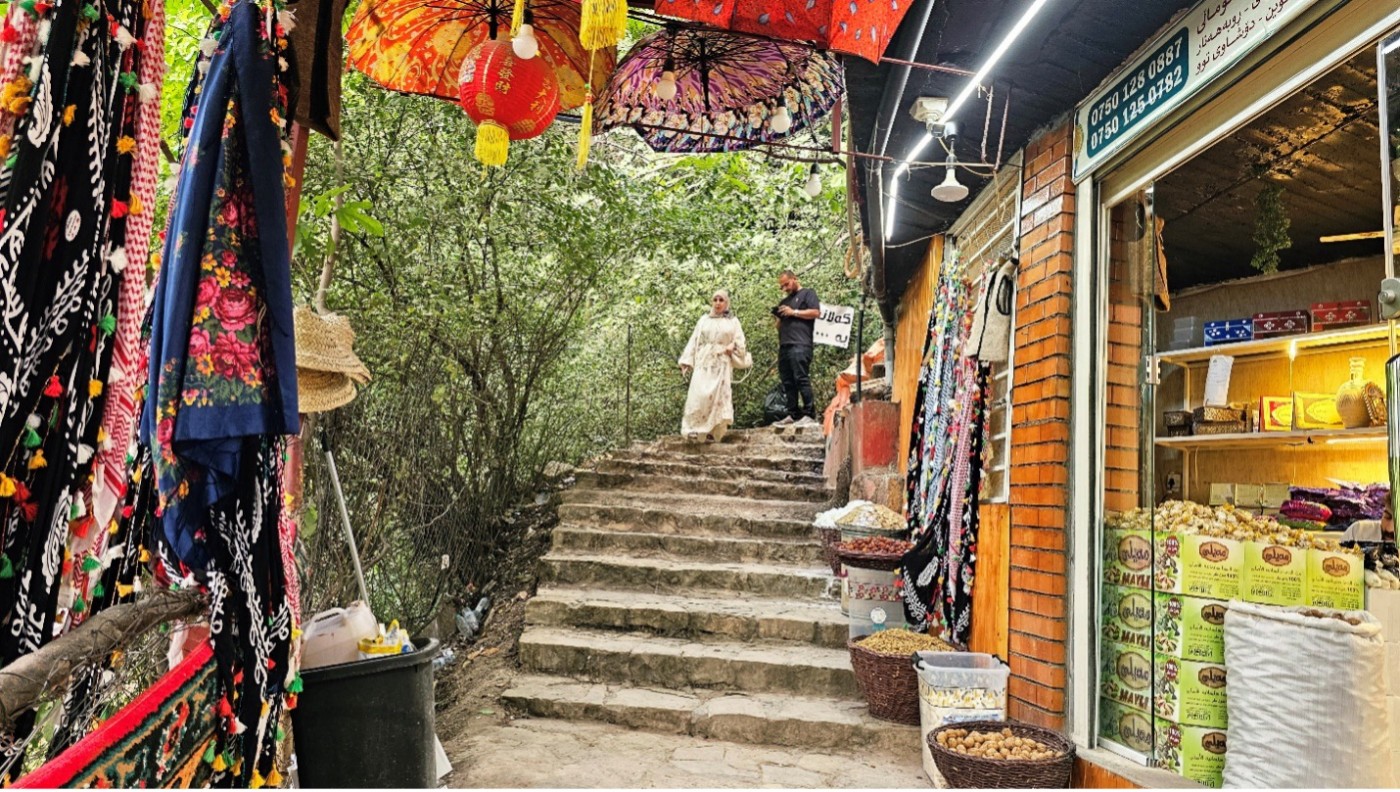
Tourists who come from southern and central Iraq to this area genuinely feel a sense of comfort.
He also called for more hotels and improved services so visitors could stay longer, explore deeper into the mountains, and spend more to support the local economy.
Iraq has nominated five rural sites for the UN Tourism Best Tourism Villages initiative, which promotes sustainable tourism in rural regions. Biyara is one of the nominees, alongside Rawanduz, Hiror, Merki, and Abu Subat, reflecting a broader national push to highlight rural heritage.
Hardship across the water
The boom on the Kurdistan Region’s side stands in sharp contrast to conditions across the border.
Iranian Hawraman once drew millions of domestic tourists annually, but regional instability, inflation, and the lingering effects of conflict have sharply reduced visitor numbers. Iranian authorities have long treated the border mountains as a security zone rather than a site for open tourism investment, constraining economic opportunities for residents who feel increasingly left behind.
As the sun began to set on Biyara’s main street, an Iranian Kurdish man approaching 70, who had traveled more than 100 kilometers from Marivan to sell medicinal herbs, described a very different reality.
"Our conditions are not good; everything is expensive, and our currency is worth nothing," said the father of four, reflecting the deep anxieties shared by families throughout Iran's border provinces.
He also said that many in Iran’s border areas fear that further regional conflict would only deepen the crippling inflation already biting hard into household budgets.
Another Iranian Kurdish resident told The New Region that unemployment and poverty were widespread because Tehran regards the zone primarily as a security outpost rather than a place for sustainable economic development. Young people, he noted, often risk dangerous journeys with smugglers in search of basic livelihoods and opportunities in Europe.
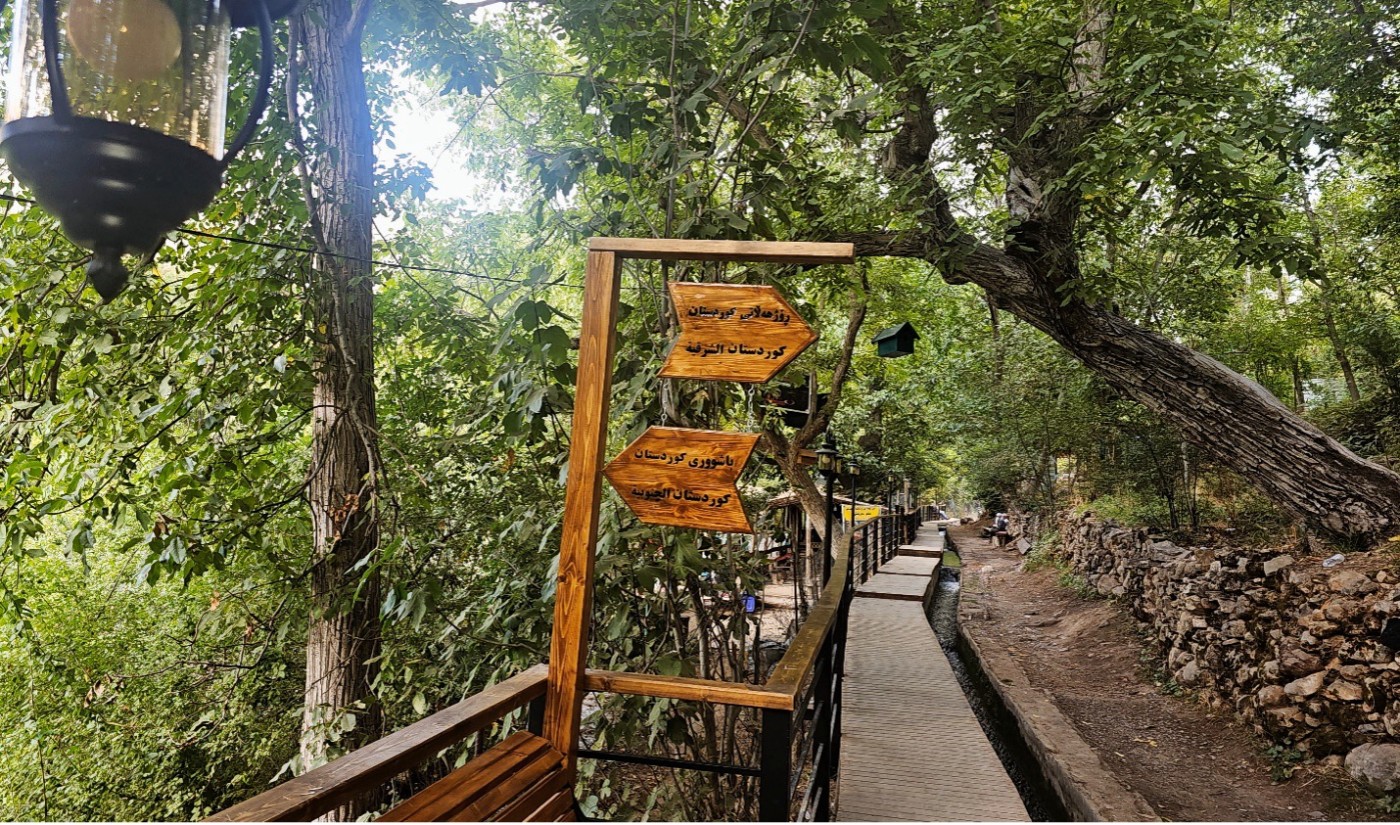
The narrow stream marking the border between the Kurdistan Region and Iran in the Hawraman mountains.
An elderly man from Biyara, resting after a day collecting nuts from his orchard and speaking on condition of anonymity, recalled how the economic balance has dramatically reversed over the decades.
During the international embargo on Iraq in the 1990s, residents of Biyara regularly bought basic foodstuffs from Iran.
"In those days, an Iraqi dinar was exchanged for more than two tomans; we purchased one sack of wheat flour with 1,200 tomans," he said. "Today I exchanged one million tomans for 7,000 dinars. In 1994 I was working in Iranian Hawraman and earned 105,000 tomans; I purchased milk cow with it. Today you can only buy a glass of tea with 105,000 tomans."
He noted that Iranian villagers now regularly smuggle petrol into Biyara at night because the fuel is far cheaper across the border. Informal cross-border trade has long been a resilient feature of life in Hawraman, sustained by enduring family ties and urgent practical needs.
Yet even on the Kurdistan Region’s side, the future is not completely guaranteed. Hawraman’s famous walnut orchards face severe pressure from rising temperatures, drought, and disease, with harvests plunging by up to 80 percent and pushing some farmers toward hardier crops like pomegranates and figs.
Despite these environmental challenges, Biyara enjoys a thriving tourism boom. The border dividing economies creates a market for hospitality and trade, quietly separating a growing tourist destination from communities struggling with isolation, a stark reminder that while geography is shared, opportunity is not.
 Facebook
 LinkedIn
 Telegram
 X
X