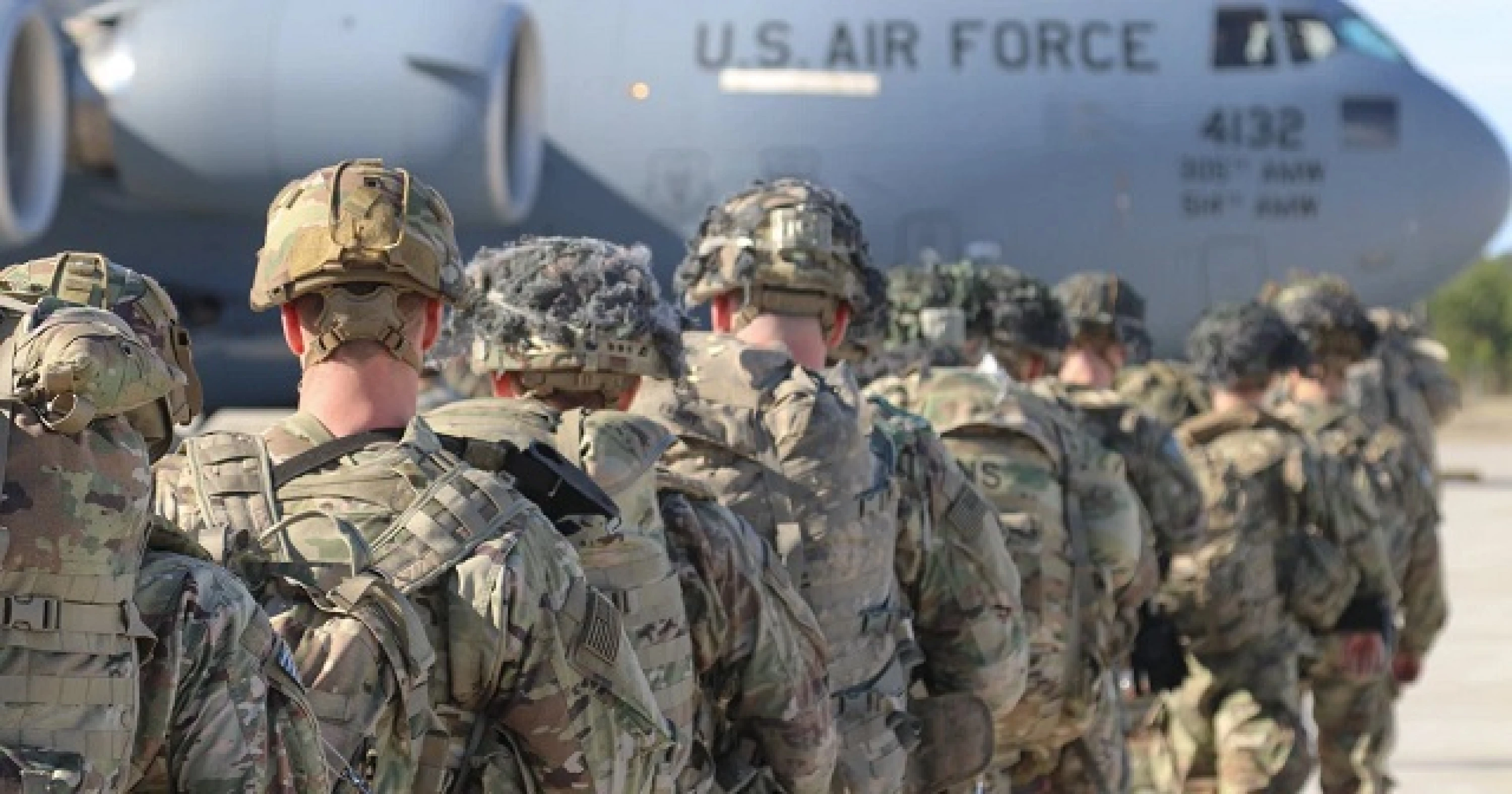
September 30 is set to be a consequential day for Iraq and the Kurdistan Region. Based on an agreement reached in late 2024 between Baghdad and Washington, US troops are to have fully withdrawn from Iraq by then. At the moment, Erbil is the key site of US military presence in the country. If US troops do in fact pull out, that would set the stage for a range of developments and consequences, some certainly unforeseen as of now.
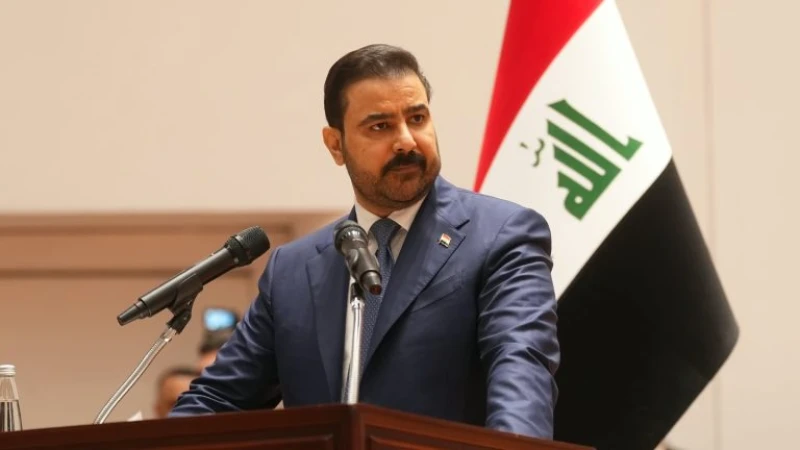
I say “if” because there is still some chance that some form of US military presence will be maintained in Iraq in a reduced form. Another key development that was supposed to materialize by that date was the disarmament of Iran-backed Shiite armed factions. During his visit to Washington in mid-July, Prime Minister Ali al-Zaidi vowed that the disarmament would be completed by September 30. But in the face of defiance by the militias and pressure from Tehran, Zaidi’s security advisor Qasim al-Araji rejected on August 23 that a September 30 deadline had been set for militia disarmament. He said that was the date for the complete US withdrawal and that militia disarmament would begin gradually afterward.
There is hence now talk of “managing” the militias’ weapons instead of disarming them, another novelty in the debate surrounding these groups. Those well aware of the reality and dynamics of Iraqi politics are the least shocked by these announcements regarding the militia disarmament plans.
Assuming a US troop withdrawal goes ahead as planned, it will not be good news for Iraq, at least in the short run. Iraq is a contested geopolitical space in the region. A full US withdrawal, or even a major one, would create a real or perceived geopolitical vacuum, though not necessarily a security one, that would call to be filled. Whether one likes it or not, geopolitical vacuums of this sort invite intervention, and if not swiftly and efficiently filled, they can become sources of chaos and insecurity in their neighborhoods.
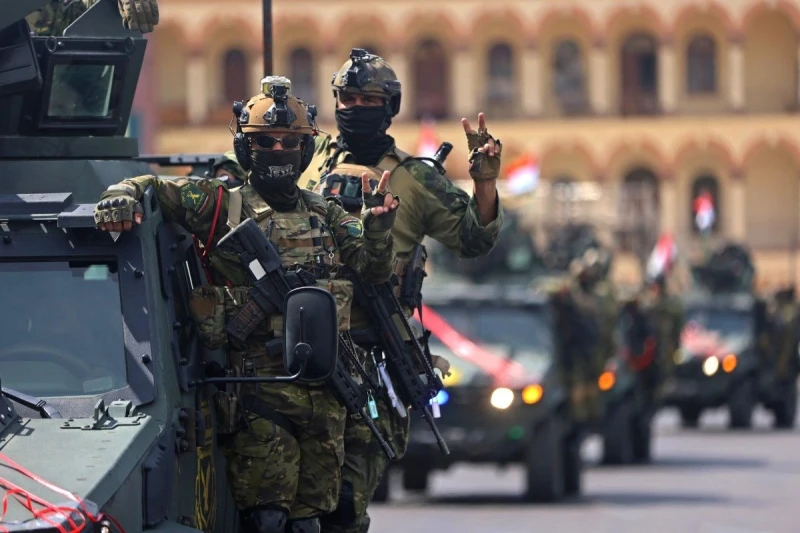
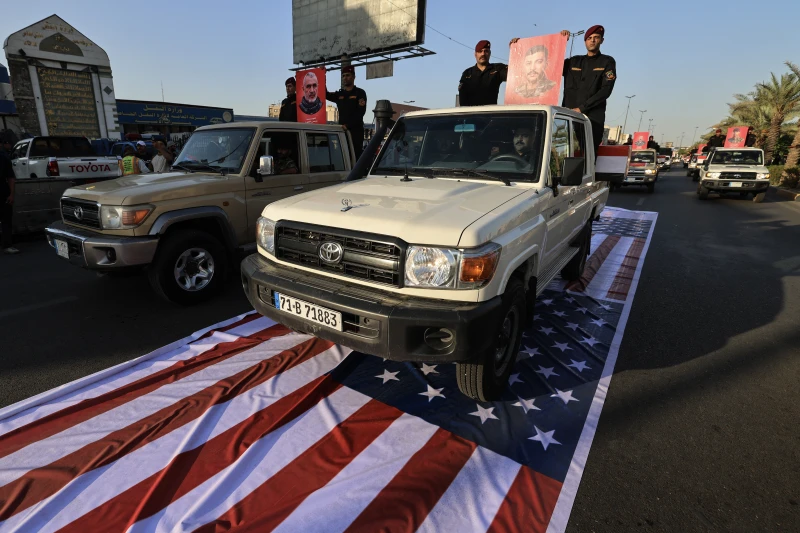
The two key contenders with both the ambition and means to fill this vacuum would be Iran and Turkey—the Gulf states will have their own concerns about such a vacuum as well and would likely step in in some form, quite possibly in support of a Turkish-led effort. Of the two, Iran is in a much stronger position to assert influence over Iraq. It already has an army of militias organized within the Popular Mobilization Forces (PMF) that can operate with legal and institutional cover by virtue of being part of an official state security institution. The Shiite-dominated power establishment in Baghdad generally lends itself to Iranian influence and counts on Iran as its ultimate protector due to sect-related affiliations and historical ties.
Turkey would struggle to build comparable influence. It will likely not be in a position to counter the core of Iranian influence in Iraq exercised through PMF-linked armed factions, at least not in the short run. But Ankara will seek to maintain its military presence in wider northern Iraq, particularly in the Kurdistan Region. It will also have the option of trying to buttress its political allies among Sunni Arab and Kurdish forces.
Turkey is certainly emboldened by its recent regional successes, chief among them the ouster of the Iran-allied Bashar al-Assad regime in Syria. It has what it sees as potential strategic depth in Iraq that it can leverage through the Sunnis and Kurds. Most importantly, Ankara has a potent weapon of influence over Baghdad: water, as well as an alternative route for exporting Iraqi oil, particularly for as long as the Strait of Hormuz remains closed due to the US-Iran confrontation.
The Gulf states will have their own motives to get involved in this rivalry over Iraq. They have been deeply dismayed by Baghdad’s failure to rein in armed factions that have turned Iraq into a launching pad for attacks into the Gulf over the years. Syria is another strategic component of this picture. After finally having a friendly government in power in Damascus, the Gulf states would not want an Iraq firmly under the thumb of Iran and its militias, posing a potential threat to Syria and their own security.
What this picture tells us is that Iraq will find itself in a strong push-pull field. A major geopolitical competition of this nature might not necessarily produce clear winners and losers, at least not immediately. But it will certainly generate victims. A wounded Iran, anxious not to appear weak, and a confident and assertive Turkey, eager to capitalize on regional opportunities and protect its gains, will be pulled into this struggle. Both Ankara and Tehran will take maximum care not to enter into direct military conflict, but a proxy armed confrontation cannot be ruled out. Competition in non-military arenas will likely only intensify.
From a broad strategic standpoint, Turkey cannot afford to allow Iran to assert unchallenged dominance over Iraq at a time when Tehran is at its weakest economically, and the future of its regime remains uncertain. Such an outcome could have grave consequences for stability in Syria as well. If Iran-backed Shiite armed groups are allowed to assert military and political control over much of Iraqi territory, they will be emboldened to challenge Syria’s stability, particularly if Hezbollah survives in Lebanon (which it seems to have) and the US backs down from its confrontation with Iran.
There is another risk for Baghdad. If Iraq fails to offer a reasonable solution to the militia problem and prevent these groups from continuing to act as instruments of Iranian policy inside Iraq and beyond, its problems will not be confined to regional competition. Washington’s growing frustration with Baghdad’s failure to deliver meaningful disarmament could translate into greater political and economic pressure, potentially including sanctions against Iraqi entities and individuals. The shift from promises of “disarmament” to the much more ambiguous concept of “managing” militia weapons is unlikely to inspire confidence in Washington.
The Kurdistan Region, meanwhile, will be in the eye of the storm as a key arena where this geopolitical confrontation unfolds. It is, by and large, the only part of Iraq not under the military control of Baghdad and the PMF, and by extension Tehran. Whether fair or not, Iran has increasingly come to view Kurdistan as a threat to its national security because of purported US and Israeli efforts to involve Iranian Kurdish opposition groups based there in the war against Iran earlier this year.
This makes the prospect of a complete US withdrawal from the Kurdistan Region particularly consequential. Leaving behind and continuing to operate air defense systems to protect Erbil would be the minimum reassuring step the US could take for its Kurdish allies and could help mitigate some of the threats posed by the militias and Tehran. Baghdad has repeatedly demonstrated its inability to resolve the militia problem, fully assert sovereignty over unruly armed actors, or provide effective protection against them. Removing one of the few remaining external counterweights to those groups at precisely the moment when Iran, Turkey, and the Gulf states are recalibrating their regional positions could leave Iraq, and particularly Kurdistan, more exposed to the competition around it.
September 30, therefore, is about much more than whether the last US troops leave Iraq. It is poised to mark the beginning of a new phase in the struggle over who gets to shape Iraq’s geopolitical orientation and the balance of power within the country.
The views expressed in this article are those of the writer and do not necessarily represent the position of The New Region's editorial team.
 Facebook
 LinkedIn
 Telegram
 X
X