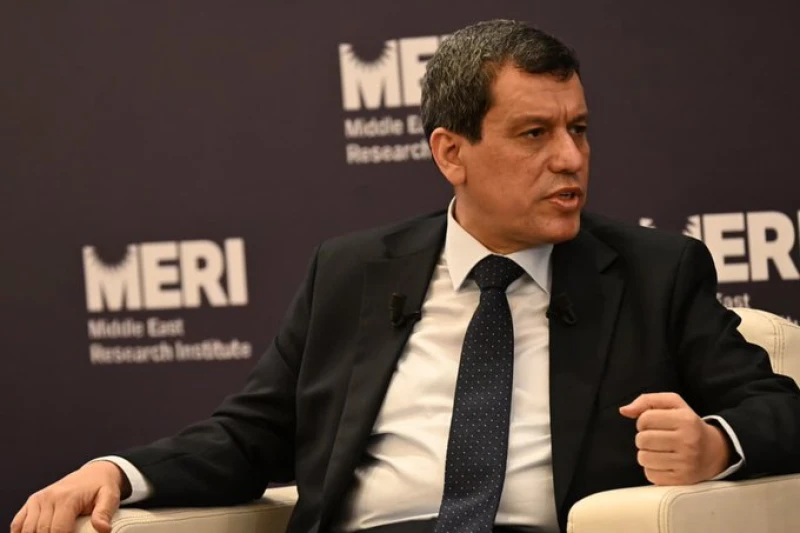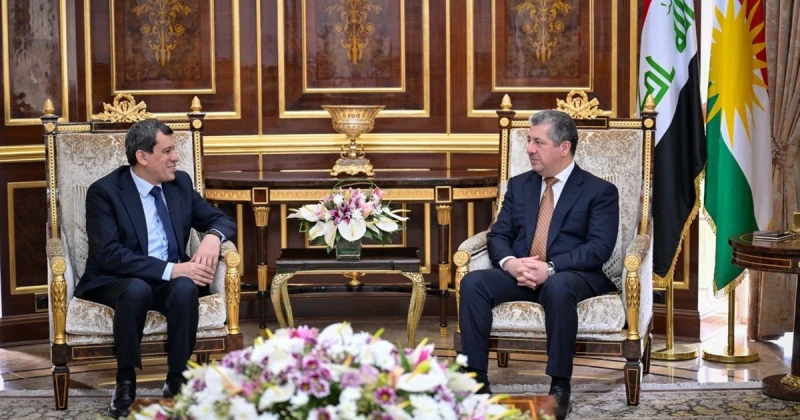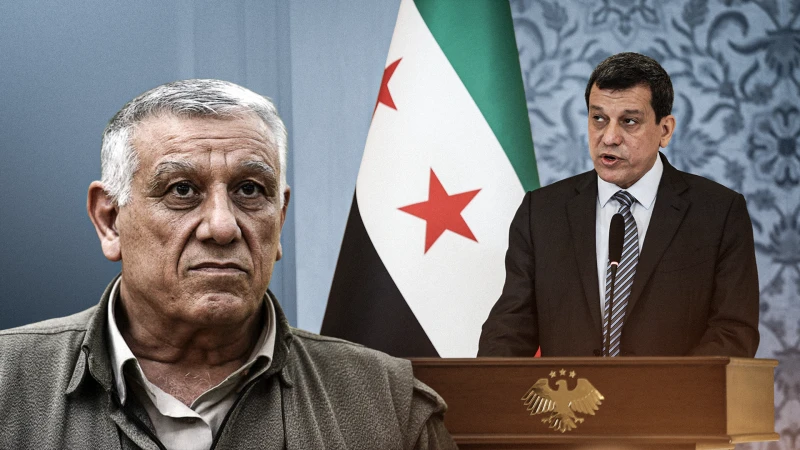
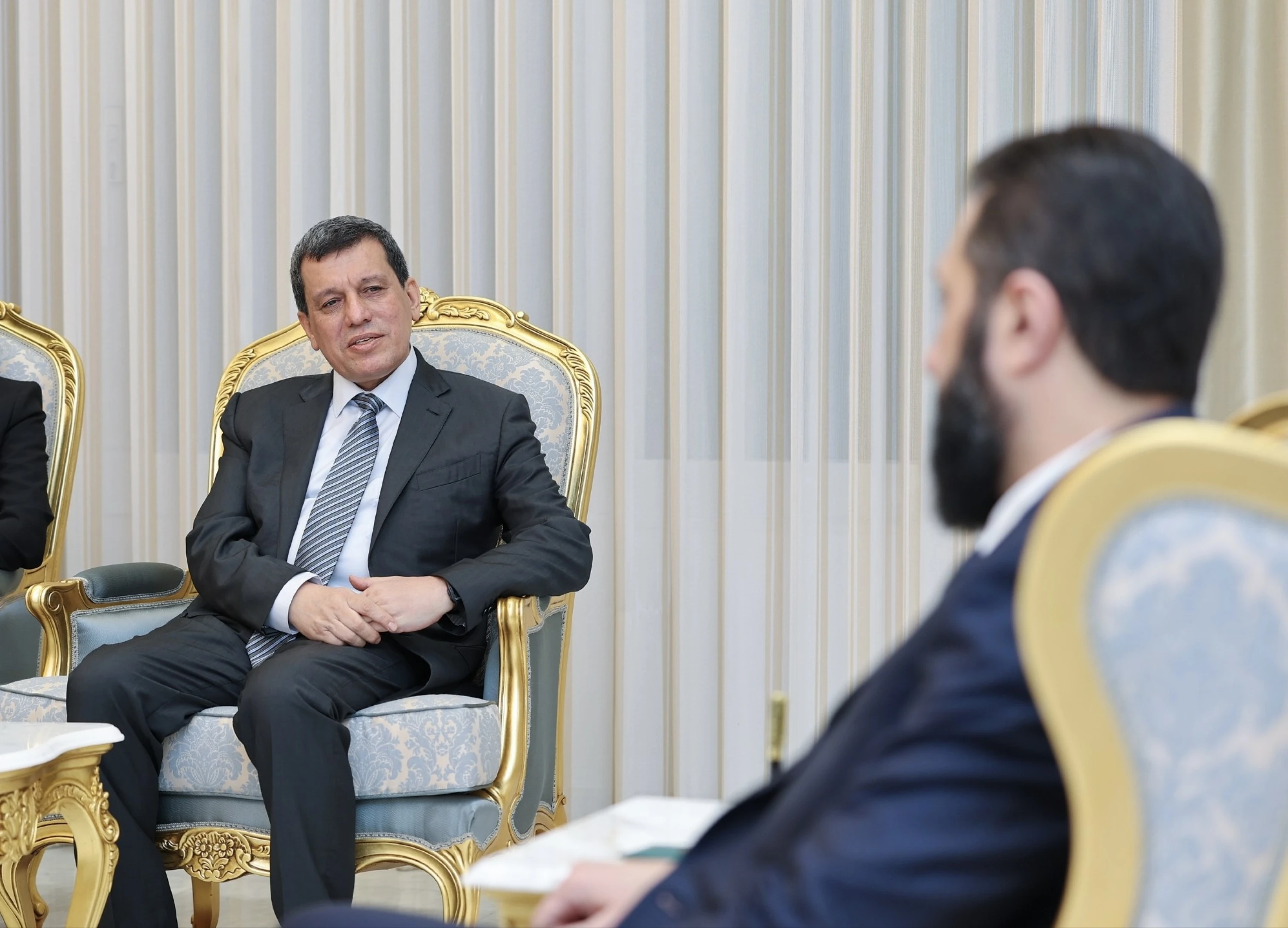
ERBIL, Kurdistan Region of Iraq – Syrian President Ahmed al-Sharaa on Thursday issued a decree appointing former Syrian Democratic Forces (SDF) chief Mazloum Abdi as an advisor to the Presidency, coming after the Kurdish-led force announced its dissolution and “complete” integration into the Syrian state.
Decree No. 164 of 2026 issued by Sharaa stipulates “appointing Mustafa Khalil Abdi as an advisor to the Presidency of the Republic,” in an official departure from the Kurdish commander's nom de guerre, Mazloum, which had previously been used in government communications.
The announcement comes two days after Abdi announced the SDF’s dissolution, alongside its affiliated military and civilian institutions, and their “complete integration into state institutions,” in a presser, completing an integration deal with Damascus that has accelerated since January.
Reports also suggest that former co-chair of the Rojava (northeast Syria) administration's foreign office Elham Ahmed is set to be appointed as a lawmaker in the Syrian parliament, tasked with overlooking Kurdish rights.
The appointments of former Rojava leaders to state positions have sparked criticism from Kurds online as well as parts of the Rojava population, viewing them as concessions and detrimental to Kurdish demands and aspirations for a decentralized Syria.
As for language rights, one of the Kurdish leadership’s main demands in the integration process, the Syrian education ministry on Thursday announced plans to introduce Kurdish into the curriculum in Kurdish-majority areas, allowing for up to three classes per week, falling short of demands for education primarily in Kurdish.
The failure to enshrine Kurdish as an official language in the Syrian constitution, a position it enjoys in Iraq, and the limiting of Kurdish classes to thrice weekly is likely to be met with dismay by many of Rojava's Kurds, for whom mother tongue education was a cornerstone of the autonomous administration.
In March 2025, Abdi and Sharaa signed a landmark agreement to integrate the SDF and the Rojava administration into Syrian state institutions.
That deal was followed by another major agreement in January 2026, following clashes between the SDF and Damascus-affiliated forces that saw the Kurdish-led forces pull back from large swathes of territory in northern and eastern Syria.
Last week, Abdi announced that the integration of the SDF and Rojava’s administration into the Syrian state was “complete.”
The SDF was established in 2015 as a multi-ethnic force, with the Kurdish People’s Protection Units (YPG) as its backbone. It included Kurds, Arabs, Assyrians and Armenians and became a key US-backed force in the fight against ISIS, ultimately defeating the group’s territorial rule in Syria in 2019.
 Facebook
 LinkedIn
 Telegram
 X
X