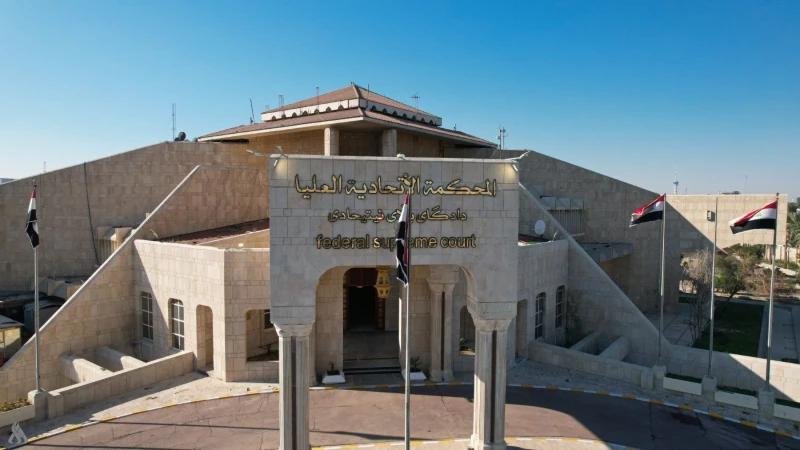
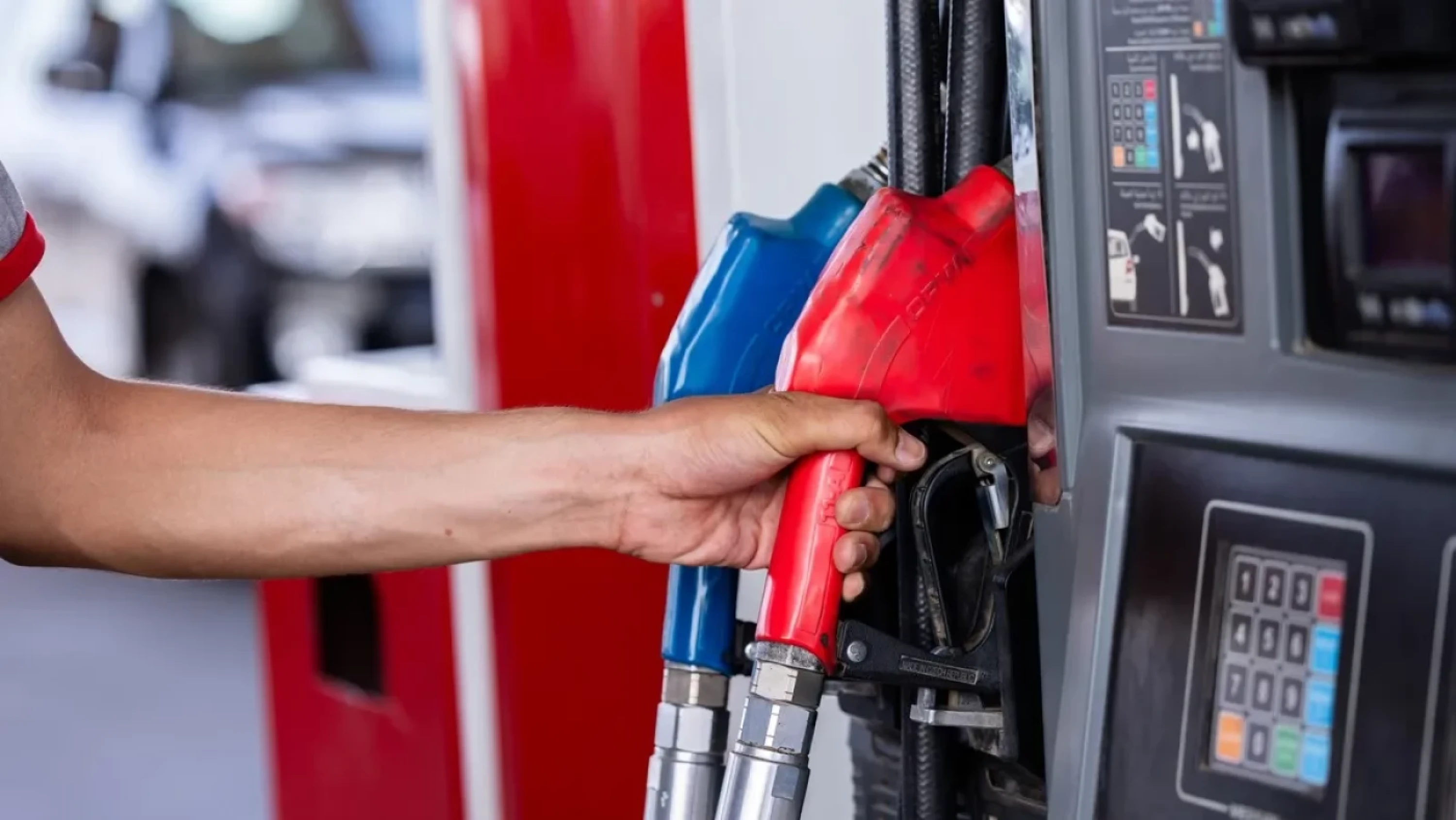
ERBIL, Kurdistan Region of Iraq – Iraq’s oil ministry said Friday that overcrowding at fuel stations is caused by a gap between production and consumption, rejecting rumors that the shortages are linked to the country’s refining and fuel distribution model.
The ministry said refineries are operating at full capacity to meet fuel demand and urged citizens “not to listen to rumours” linking the overcrowding to “the economic model of the refining and distribution sectors.”
The renewed regional conflict and higher costs of materials needed to produce higher-quality fuel have reduced supplies at fuel stations across Iraq and the Kurdistan Region.
“The Ministry of Oil wishes to clarify to the public that the overcrowding at fuel stations is caused by a negative gap between production and consumption,” it said in a statement.
The ministry added that it has sought to offset the shortage with “imported shipments via seaports,” but logistical problems caused by the ongoing conflict have delayed tanker arrivals and docking at Iraqi ports.
“The ministry has therefore adopted a plan to engage multiple tankers to allow greater flexibility in meeting daily petroleum product needs and strengthening strategic reserves,” it added.
The oil ministry called on citizens “to take adequate amounts of petrol and avoid crowding at fuel stations to obtain very limited quantities of litres,” saying the practice is contributing to further overcrowding and longer queues.
The shortage has also driven up fuel prices across the Kurdistan Region in recent weeks, despite a KRG decision to increase petroleum supplies to stations and the government’s introduction of price caps in July.
The Kurdistan Regional Government’s (KRG) acting Natural Resources Minister Kamal Mohammed said Saturday that Baghdad supplies refineries outside the Region with crude at 5,900 dinars per barrel, or around $4, while charging the Region $16 per barrel, calling on Baghdad to apply the same crude oil pricing to the Region as elsewhere in Iraq.
The minister said that even at the lower price, the 50,000 barrels allocated for the Region’s domestic consumption are “insufficient,” adding that “we've said this before, 115,000 is the least that the region demands to be provided.”
In late July, the KRG called on the Iraqi federal government to increase the Region’s allocated share of crude oil from the current 50,000 barrels to 126,700 barrels, in line with the Region’s population, which accounts for 12.67 percent of Iraq’s total population.
Last week, Natural Resources Ministry Undersecretary Ahmed Mufti told The New Region that the KRG is ready to send its 50,000 barrels of oil allocated for domestic consumption to Baghdad if the Iraqi government provides subsidized fuel for the Region.
 Facebook
 LinkedIn
 Telegram
 X
X