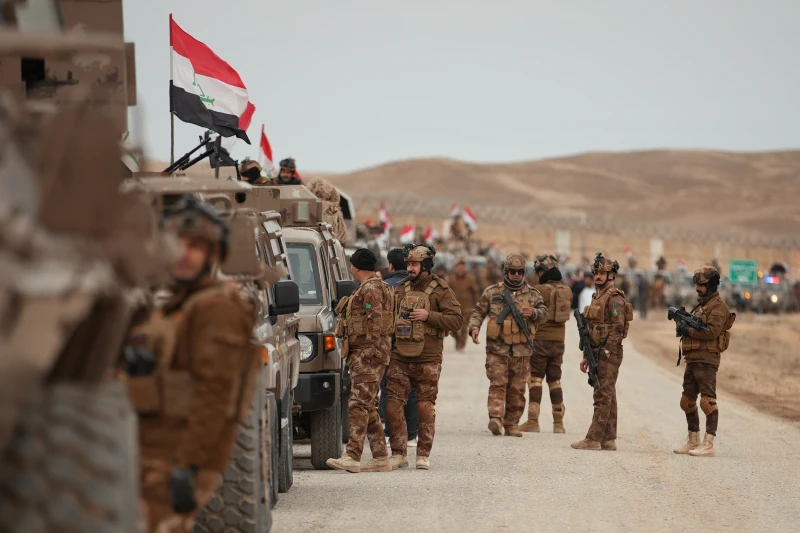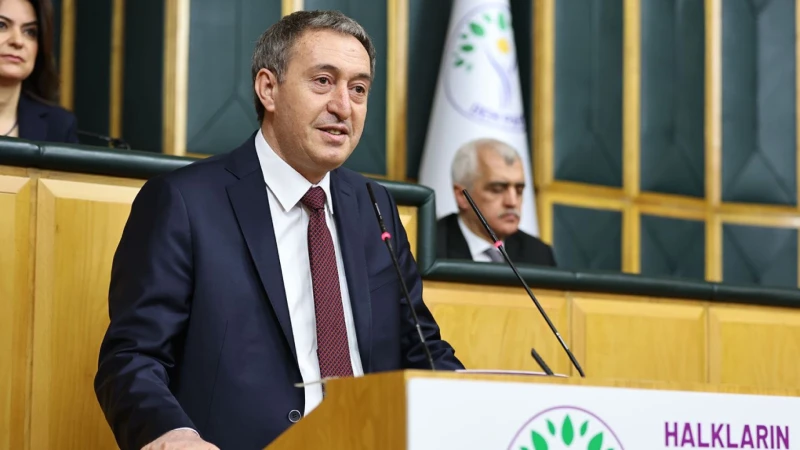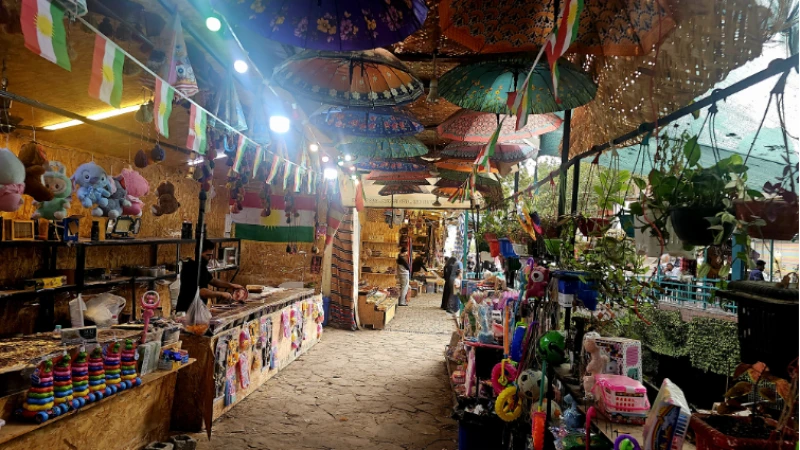
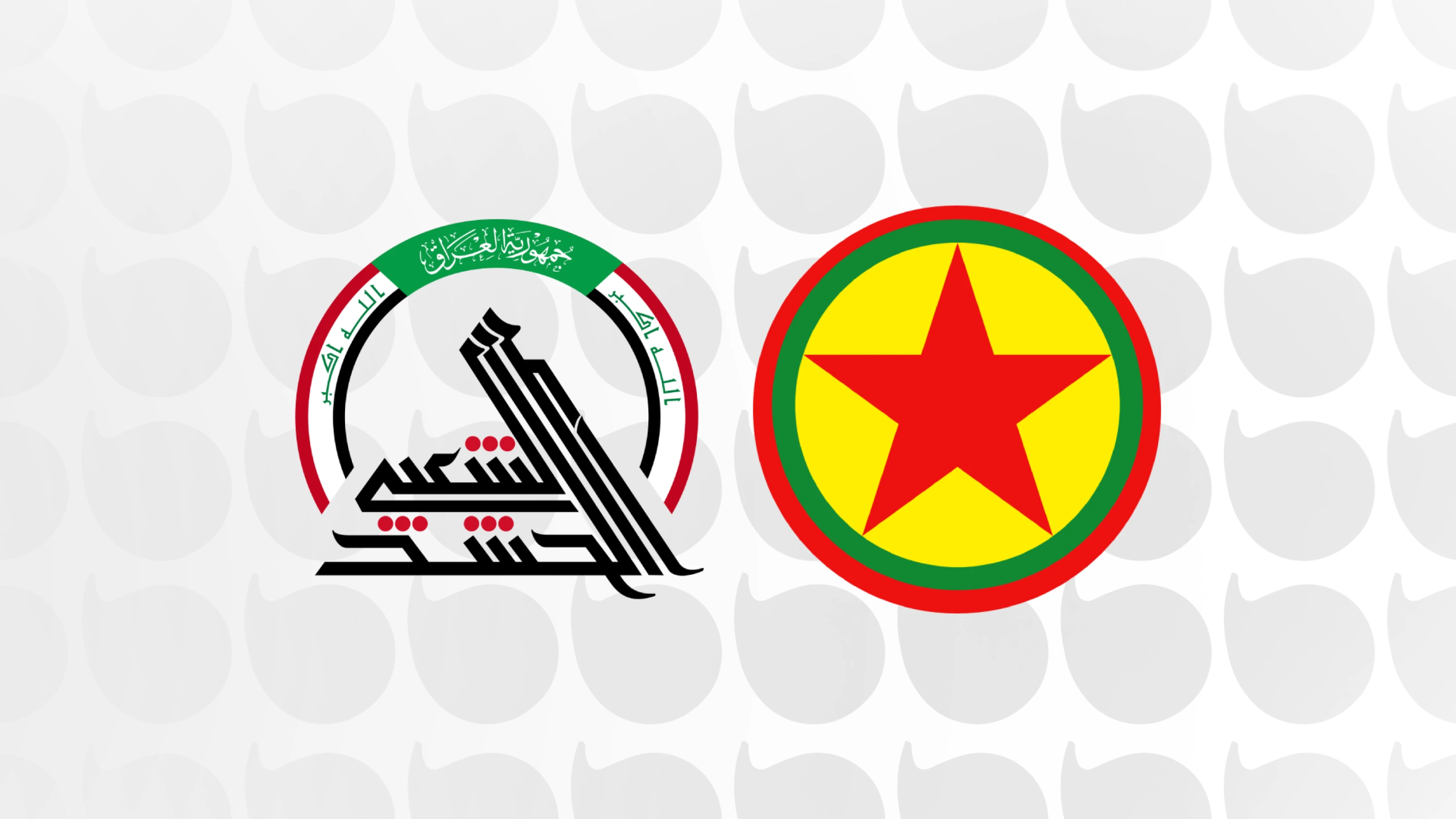
BAGHDAD, Iraq - As Turkey proceeds with the peace process with the Kurdistan Workers’ Party (PKK) following the group’s self-dissolution, Iraq’s Popular Mobilization Forces (PMF) is preparing to absorb hundreds of PKK members who will not be covered by the process in Ankara, Iraqi security officials told The New Region.
Some 230 senior PKK commanders and around 2,000 fighters are expected to remain outside Turkey’s disarmament process, officials said.
The fate of commanders and fighters who are not included in Turkey’s settlement, as well as the strategic space and networks that the PKK will leave behind, have emerged a major concern for Iraqi authorities, Iran, and the United States, with Turkey and Syria watching the developments closely.
Founded in 1978, the PKK was initially based in the Kurdish-majority areas of southeastern Turkey before establishing a presence in northern Iraq and northeastern Syria.
Its decades-long presence across the three countries has given the group a strategic position linking Iraq, Turkey, and Syria, with its networks and routes also extending to the Iraqi-Iranian border.
Whoever gains a foothold in these areas would gain significant leverage over the local security balance, armed groups operating across the region, and smuggling routes.
Iraqi security authorities, including PMF intelligence, have held several meetings in recent weeks to discuss the latest developments and decide how Iraq can manage the PKK’s withdrawal and the space it leaves behind, officials involved in the discussions told The New Region.
The discussions have focused on taking over positions and facilities vacated by the group, drawing on the experience and local relationships of its commanders and fighters, and using existing networks to strengthen Baghdad’s influence in areas where the PKK has operated for decades.
The PMF intelligence has emerged as a key player in the effort, seeking to capitalize on its long-standing ties with PKK-linked groups and fighters in the area.
“The PMF’s intelligence units have penetrated these areas, extending up to 60 kilometers into Syrian territory, over the past few years,” a senior PMF official involved in the discussions told The New Region.
“All armed groups operating in northern and northwestern Iraq and eastern Syria have had their movements monitored and their locations exposed to the PMF’s intelligence. Therefore, the PMF's intelligence is best suited to address issues related to the PKK,” they added.
Sinjar at the heart of the storm again
There are no official figures for the total and exact number of PKK fighters. Turkish media outlets have reported in recent days that 7,000 to 8,000 PKK fighters are expected to return to Turkey under the settlement and dissolution law passed by the Turkish parliament last month, following the group’s declaration of disbandment and disarmament.
However, the Turkish process does not account for the PKK’s entire presence in Iraq.
Internal Iraqi intelligence reports obtained by The New Region provide a picture of the group’s military structure and deployment across the country, including the locations where it maintains positions and estimates of the number of fighters in several areas.
One of the reports indicates that there are five PKK brigades comprising 14 battalions operating in Iraq, deployed across Duhok, Nineveh, Sulaimani, Kirkuk, Salahaddin, and Diyala, as well as the Qandil and Sinjar mountains and areas along the Iraqi-Iranian border.
The report indicates that the group does not maintain permanent headquarters on Iraqi territory. Instead, its fighters operate from temporary positions, caves, and underground channels, moving regularly between locations to avoid Turkish airstrikes.
The largest concentration of PKK fighters was in the border town of Sinjar, with about 6,000 fighters, followed by Makhmour, with about 5,000. Another 330 fighters were deployed along the Iraqi-Iranian border, while more than 200 were in Tuz Khurmatu in Salahaddin.
A separate Iraqi intelligence report highlights the number of non-Turkish PKK fighters active in Iraq, identifying more than 3,000 fighters of Iraqi origin and more than 1,200 foreign fighters. Most of the fighters of Iraqi origin are Yazidis, the report showed.
Neither the Iraqi nor foreign fighters are covered by the Turkish settlement process as they do not hold Turkish citizenship, Iraqi officials told The New Region.
The scale and distribution of the PKK’s presence were also outlined in recent classified briefings. During a security meeting held by Iraqi authorities to address the issue, Iraqi military intelligence presented several satellite maps identifying areas with the highest concentrations of PKK fighters and positions, as well as underground channels dug by the group extending from those areas toward the Iraqi-Syrian border.
The maps showed that the largest concentration of PKK fighters is not in the remote mountain areas where the group has traditionally maintained its bases, but in Sinjar town and its surrounding villages. Sinjar also emerged as a key connection point for the underground channels and their extensions, according to the maps.
“The network of tunnels dug by PKK fighters, stretching from Sinjar to the Syrian border was the subject of lengthy discussions in recent meetings,” a senior Iraqi security official told The New Region.
“Initial information suggested they were smuggling routes, but intelligence reports indicate they are more like hideouts than secure cross-border corridors.”
Relations between the PKK and the PMF have been close since August 2014, when the two groups fought ISIS militants following the group’s invasion of Sinjar and surrounding areas. The PKK oversaw the formation and training of what is known as the 80th Regiment, or Sinjar Resistance Units (YBS), while the PMF provided logistical support and funding. Fighters of several YBS units are officially registered on the PMF payroll, PMF officials told The New Region.
Since then, ties between the PKK and the PMF have developed significantly, with the two sides maintaining intelligence and operational cooperation in northern Iraq and eastern Syria, officials said.
Taking advantage of the long-standing relationship between the two sides, PMF intelligence units have developed a project to absorb PKK fighters and commanders who will not be covered by the Turkish settlement process.
The initial ideas include integrating some fighters, securing humanitarian asylum for others, settling the legal status of wanted Iraqis and foreigners, and providing sufficient funds for those who wish to leave Iraq permanently, officials familiar with the project told The New Region.
“We have excellent understanding with the PKK and our forces are intertwined with them in Sinjar. We are the Iraqi security apparatus best positioned to communicate with them,” a senior PMF commander told The New Region.
“The PMF intelligence has pledged to resolve this issue completely without any violence or military confrontations, provided the necessary financial resources are available.”
“The plan will be submitted to the Commander-in-Chief of the Iraq Armed Forces within days as part of the initiative to end the foreign presence and disarm the PKK,” they concluded.
 Facebook
 LinkedIn
 Telegram
 X
X