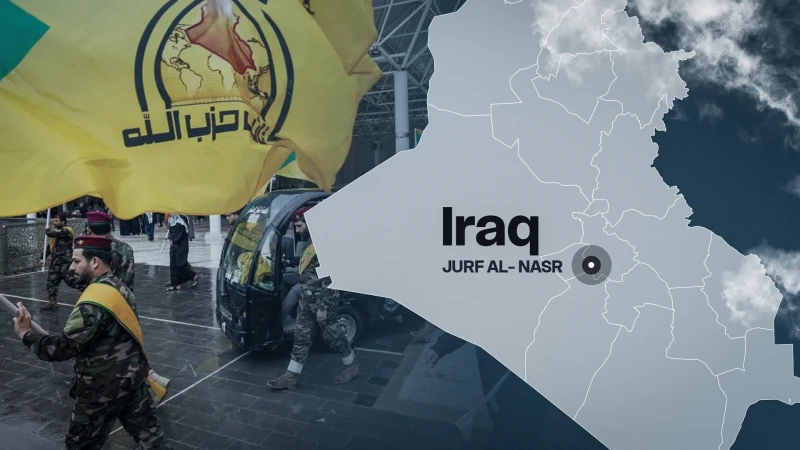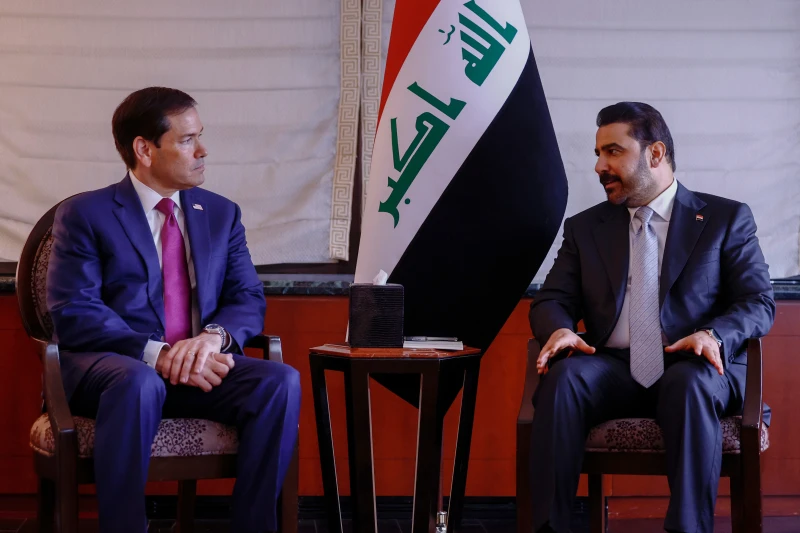
ERBIL, Kurdistan Region of Iraq - Sabah al-Numan, spokesperson for the commander-in-chief of the Iraqi armed forces, told The New Region in an exclusive interview that the militia integration file in Sinjar is “an Iraqi issue” that may only be solved by domestic authorities, adding that Baghdad is working to appoint a new district mayor.
“The case in Sinjar, it's not a firm security issue, but it's combined between the politics and between the vision of this city and the initiative to reorganize this city and nominate a mayor, a leader from the people of the city,” Numan told The New Region.
On August 3, 2014, Islamic State (ISIS) militants seized control of Sinjar, launching a sectarian genocidal campaign against the city's Yazidi majority. Ten years later, tens of thousands of Yazidis are still living in camps in the Kurdistan Region, unwilling to return to their homes due to security and economic concerns.
READ MORE: Turkish army to ‘gradually’ handover Iraq military base: Joint statement
“So, first of all, the Iraqi government gives the confidence to the Sinjar people that we are looking after the city for the stability of the city as the main goal of the government. Also, we are talking with the neighbors, especially Turkey, that the issue of Sinjar is an Iraqi issue, and we don't allow anyone except the Iraqis to fix this problem,” Numan stated.
On September 23, following a meeting of Iraqi Prime Minister Ali al-Zaidi and Turkish President Recep Tayyip Erdogan the sidelines of the UN General Assembly in New York, both the Iraqi and Turkish government in a joint statement announced that the Turkish army would “gradually” handover the Zilkan military base in Nineveh province to Iraqi authorities.
At the same time, Baghdad and Ankara also agreed to “fully extend the authority of the Iraqi state in Sinjar and to end the presence of banned foreign armed elements,” referencing the to the Yazidi Sinjar Resistance Units (YBS), an armed group linked to the Kurdistan Workers’ Party (PKK).
Integration
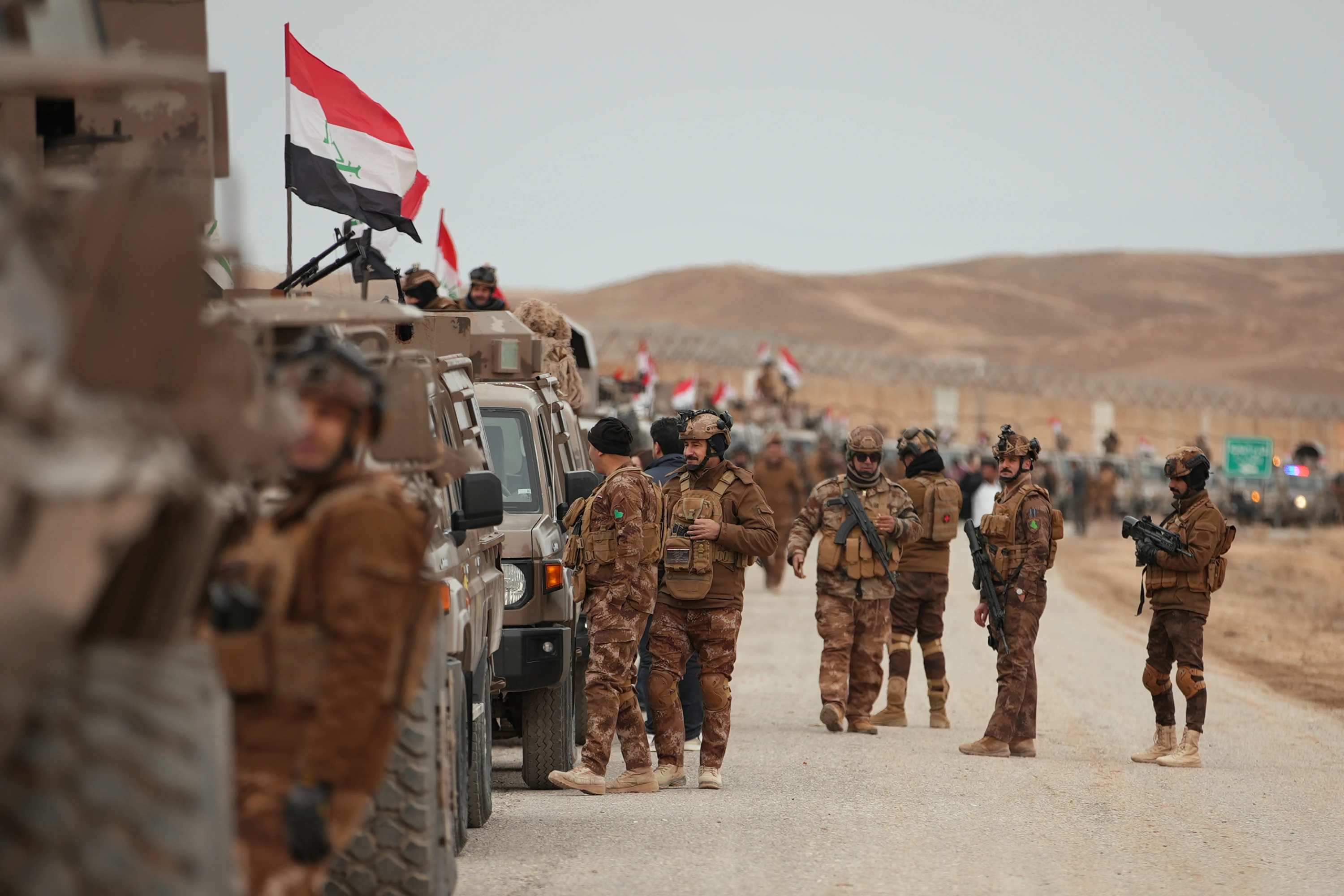
On September 11, Zaidi met with the Yazidi Cause Alliance and announced that the YBS will begin handing over their weapons to the state and integrate into the Iraqi army.
Qasim al-Aboudi, the Iraqi national security advisor, at a panel of the annual Middle East Research Institute (MERI) Forum on Tuesday announced that around 1,500 members of the armed group have been integrated so far.
“Another 500 Yazidi women are in the process of being integrated into the community police, and work is ongoing to integrate another 1,500 people.”
READ MORE: Will Iraq opt for SDF-style integration of Yazidi armed group?
Numan added that the Zaidi has given them a couple of weeks to nominate a major to lead Sinjar city, while the Turkish army will hand over the responsibility of some bases inside Iraq on June 30 to the Iraqi government.
“We have a very historical relationship between Iraq and Turkey,” he said, adding that it also includes strong economic relations. Furthermore, he said that Iraq previously made an important decision to stop the PKK from carrying out any actions against Turkey.
Sinjar agreement
There have been earlier attempts by Erbil and Baghdad to find a solution to the security situation in Sinjar.
On October 9, 2020, Erbil and Baghdad signed the Sinjar Agreement with the support of the United Nations, which included setting up a new administration, appointing a new district mayor, and transferring security responsibilities to the local police in Sinjar, but this agreement was never implemented.
Kurdistan Regional Government (KRG) Interior Minister Reber Ahmed on Tuesday at the MERI Forum stated that the Sinjar Agreement is being bypassed by Baghdad, “and the government is beginning to deal with forces present on the mountain outside the framework of the agreement.”
“An understanding has now been reached with political actors in the federal government to appoint a new district mayor. We respect our agreements with the current government, but we call on our colleagues in Baghdad to establish joint committees comprising representatives of the Kurdistan Regional Government and the federal government to address the Sinjar issue,” he stated.
Ahmed said one reason the Sinjar issue was not solved was due to interference from Iran and Turkey.
“There has been interference, and these countries have pursued their own policies and objectives. We support Prime Minister Ali al-Zaidi's policy of removing all foreign forces and non-Iraqi actors,” he added.
Former Iraqi MP and former Sinjar district mayor Mahma Khalil told The New Region that “the forces that are not legally recognized, such as the PKK and those affiliated with it, must be brought into a proper framework.”
“The Baghdad government must stop merely making statements in the media and take practical action on the ground. We do not want the government to deal with only a small faction in Sinjar. It must engage with the entire population.”
“There must be a plan to enable the people of Sinjar to return, rebuild the area, establish a civilian administration, provide redress for their suffering, and achieve transitional justice. The question of which armed forces are involved and whether they join the army is secondary,” he added.
Numan, however, expressed his confidence that the Sinjar disputes will be solved.
“I hope the Sinjar case will be solved after nominating a mayor from Sinjar to lead the city,” he concluded, “and also we will hand over the security of Sinjar to the Iraqi forces.”
 Facebook
 LinkedIn
 Telegram
 X
X