ERBIL, Kurdistan Region of Iraq – Iran’s first vice president on Thursday signaled willingness for further talks with the United States while expressing regret over the country’s worsening economic conditions, as hardliners oppose the idea.
“We hope that the enemy will come to its senses for once, remain loyal to its pact and implement this memorandum of understanding that was signed,” First Vice President Mohammad Reza Aref said on Thursday, as cited by state media.
The comments come as Iran’s hardliners and moderates take differing positions on further talks with the US, with the Islamic Revolutionary Guard Corps (IRGC) and other hardliners showing little willingness to resume negotiations, while moderates express openness to further talks.
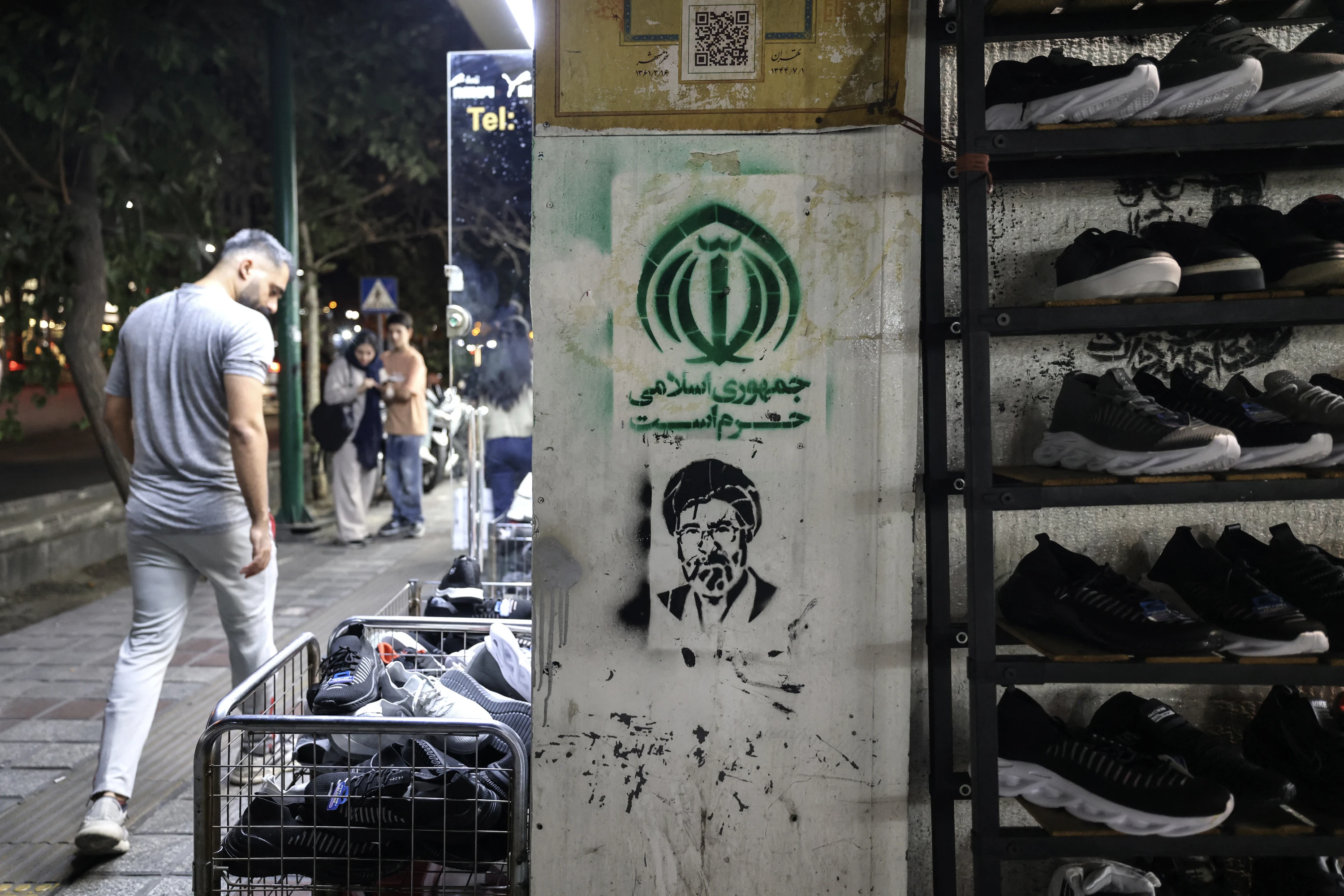
“We truly apologize to the people. We are ashamed that today the income and expenses of our dear people don't match,” Aref added, expressing regret over the country’s worsening economic conditions amid heavy sanctions and inflation.
In late August, Washington announced new economic measures against Iran, expanding its Tehran-related secondary sanctions to target five “critical” sectors, with the aim of cutting “every economic life” of the Islamic republic.
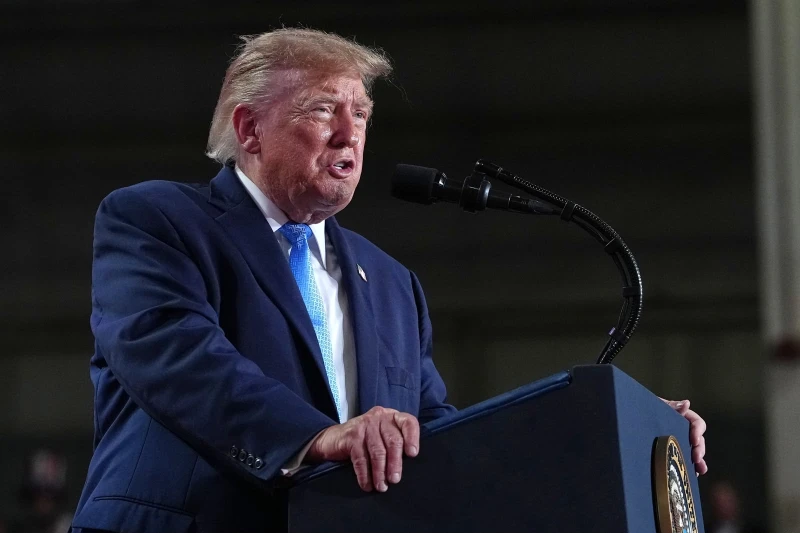
On Monday, US President Donald Trump claimed that Iran “wants to make a deal, quickly and badly,” adding that he will determine whether or not Washington will choose to engage, describing it as a “concept of which we are open to.”
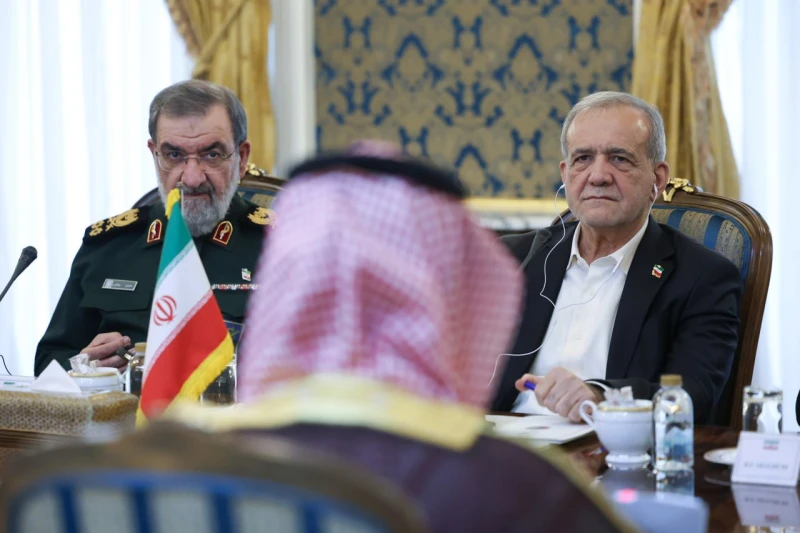
In response to Trump’s comments, Iran’s security chief Mohsen Rezaei on Tuesday refused negotiations with Washington, saying “no talks until Iran’s conditions are met. Period!”
Earlier in September, Iranian President Masoud Pezeshkian also expressed Tehran’s readiness to return to the deal signed with Washington, blaming Washington for breaching the deal.
Washington has earlier expressed confusion over Iran’s power structure, with Trump saying that Iran is having a very hard time “figuring out who their leader is,” while claiming there was an internal struggle between “hardliners” and “moderates.”
Iran has faced a worsening economy due to decades of international sanctions and additional pressure from the war.
Over the past decade, Iran’s currency has sharply depreciated, with the rial falling from about 3,000 tomans per US dollar in October 2015 to 230,000 tomans per dollar in September 2026, an increase of nearly 7,567 percent.
 Facebook
 LinkedIn
 Telegram
 X
X