ERBIL, Kurdistan Region of Iraq – Iraqi Prime Minister Ali al-Zaidi on Thursday defended his government’s decision to amend the exchange rate of the dinar to the US dollar in the parliament, noting that the measure was taken out of necessity to avoid exacerbating the country’s financial crisis.
On Tuesday night, Iraq’s Council of Ministers amended the exchange rate of the dinar to the US dollar from 1,320 per dollar to 1,520, with the measure coming into effect on Wednesday.
The decision has sparked widespread backlash across the country, where the population is already struggling with surging prices of goods and inconsistent public sector salary distributions.
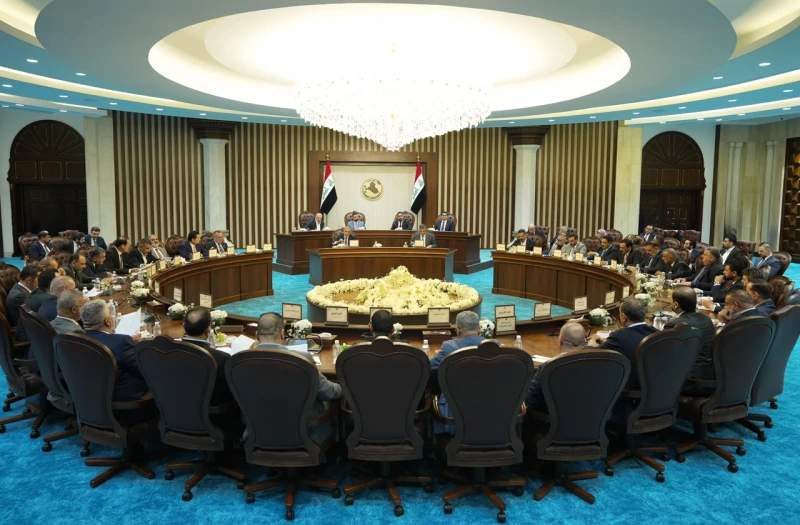
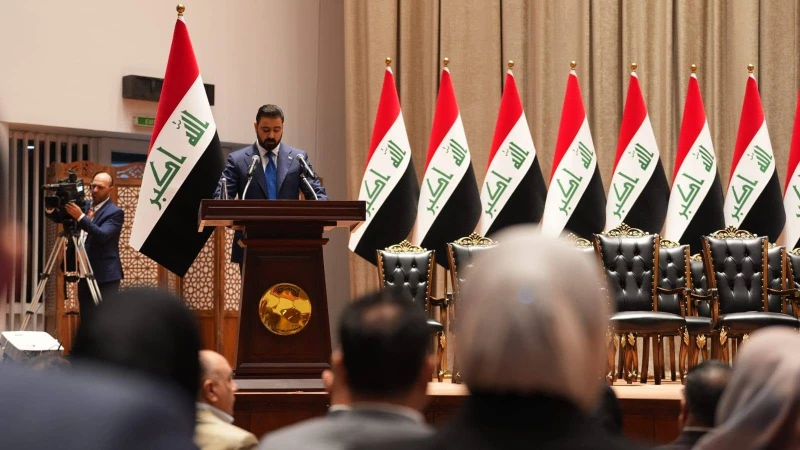
Zaidi arrived at the parliament building on Thursday evening, received by speaker Haibat al-Halbousi. The premier held a meeting with Halbousi and his deputies, before addressing the heads of the parliamentary blocs, “to clarify the details and necessities regarding the change in the foreign exchange rate,” according to a statement from his office.
“I assumed this responsibility [premiership] with our economy under siege due to the disruption of oil exports and the closure of the Strait of Hormuz,” Zaidi’s office cited the prime minister as saying in his speech at the parliament.
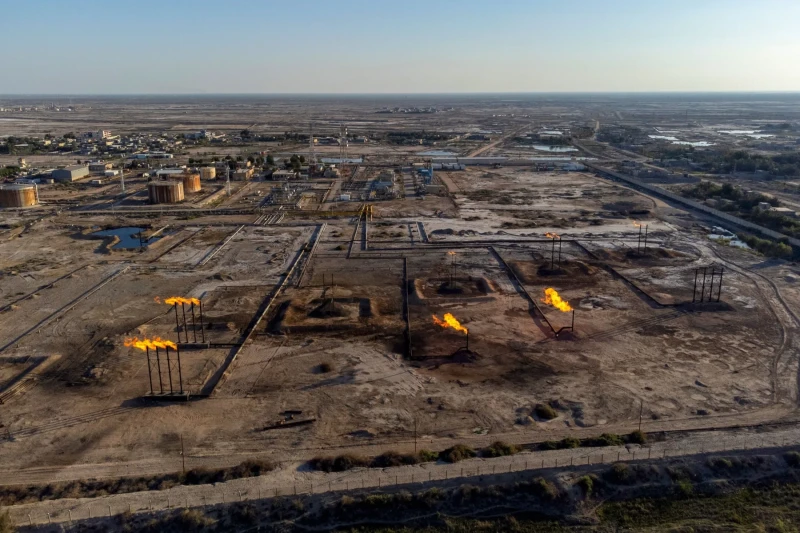
Iraq has been facing a worsening financial crisis since the start of the US-Israeli war with Iran, with the closure of the Strait of Hormuz massively cutting off Iraq’s main source of income: oil exports.
“We had three options: first, to implement mandatory savings and leave employees living on empty promises; second, to distribute salaries every 45 days; and third, to resort to borrowing and further burden the country with debt, which it is already heavily in,” Zaidi added.
Iraq pocketed $2.3 billion from oil exports for the months of May and June combined. The country needs over $5.3 billion for monthly salaries alone.
There has been no official data from the oil ministry on revenues for the months of July, August, or September, but ministry spokesperson Salim al-Rikabi on Thursday told state media that oil exports have stabilized to an average of 2.7 million barrels a day. The country’s exports used to average over 3.5 million barrels a day prior to the Hormuz instability.
“I took over the premiership when the public debt exceeded 208 trillion dinars, and the government was required to provide 10 trillion dinars monthly. Despite the crisis, we managed to pay salaries,” Zaidi added, claiming that the difference in the dollar exchange rate was previously “exploited by speculators.”
Zaidi stated that the country is going through “dire circumstances,” describing the challenges brought forward by the closure of Hormuz as “an undeclared siege,” while noting that Baghdad does not want to borrow “so as not to further burden the economy.”
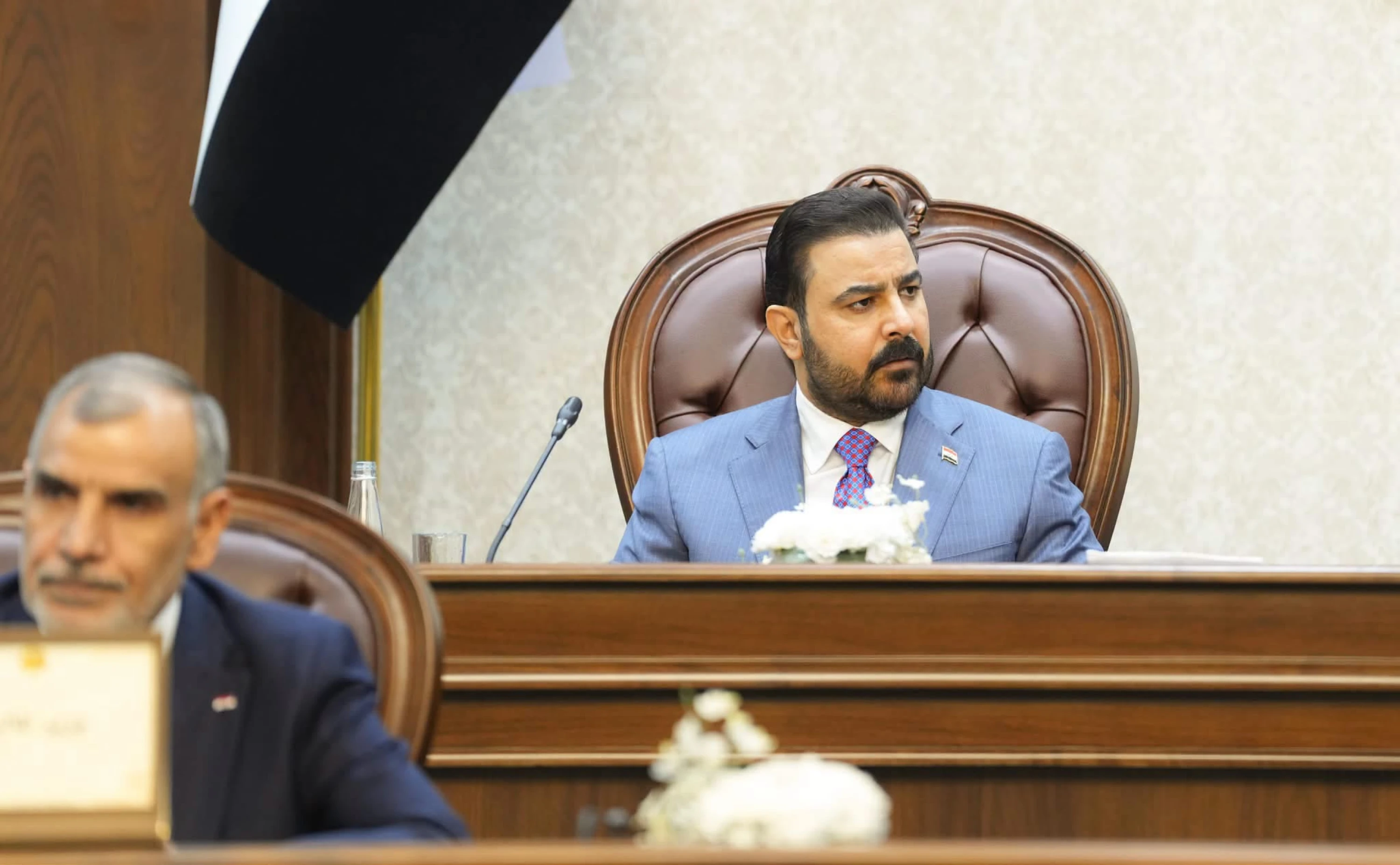
Also speaking during Thursday’s session, parliament speaker Halbousi asserted that “the decision to change the exchange rate is irreversible,” claiming that the heads of the parliamentary blocs are “supportive of the decision.”
The government’s decision to amend the exchange rate was followed by a sudden plunge in the Iraqi dinar’s value, surging past 170,000 dinars per $100 - a dramatic shift compared to the 163,000 rate the night before.
The Iraqi dinar initially fell during the onset of the Iran war, but then stabilized as Zaidi’s government was elected. Since then, it has continued to gradually fall in value.
A weaker dinar raises the cost of imported goods, including food, medicine, and consumer products, putting additional pressure on Iraqi households already grappling with rising living costs.
 Facebook
 LinkedIn
 Telegram
 X
X