ERBIL, Kurdistan Region of Iraq - Iraq's ruling Shiite Coordination Framework on Thursday censured the government for its decision to devalue the Iraqi dinar, proposing economic relief measures for citizens that include lifting customs duties on essential goods and cutting tuition fees by 15 percent for the current academic year.
On Tuesday night, Iraq’s Council of Ministers amended the exchange rate of the dinar to the US dollar from 1,320 per dollar to 1,520, with the measure coming into effect on Wednesday.
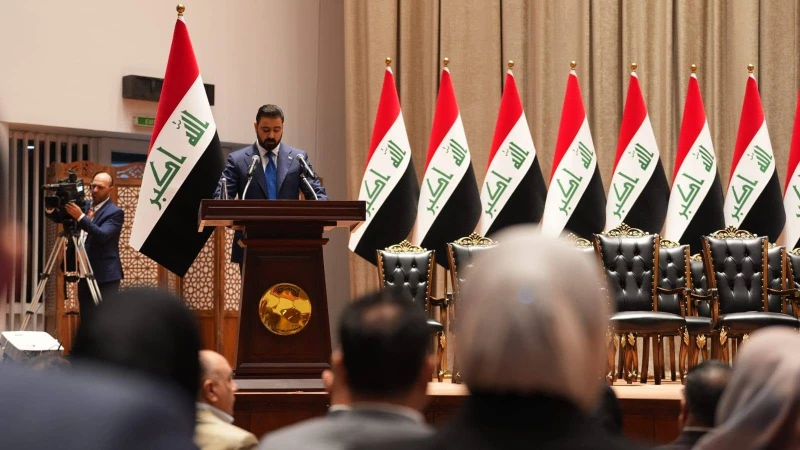
The decision has sparked widespread backlash across the country, where the population is already struggling with surging prices of goods and inconsistent public sector salary distributions, with Prime Minister Ali al-Zaidi on Thursday night defending the move in parliament as an essential measure amid Iraq's ongoing economic crisis.
"We had three options: first, to implement mandatory savings and leave employees living on empty promises; second, to distribute salaries every 45 days; and third, to resort to borrowing and further burden the country with debt, which it is already heavily in," the premier said of the move.
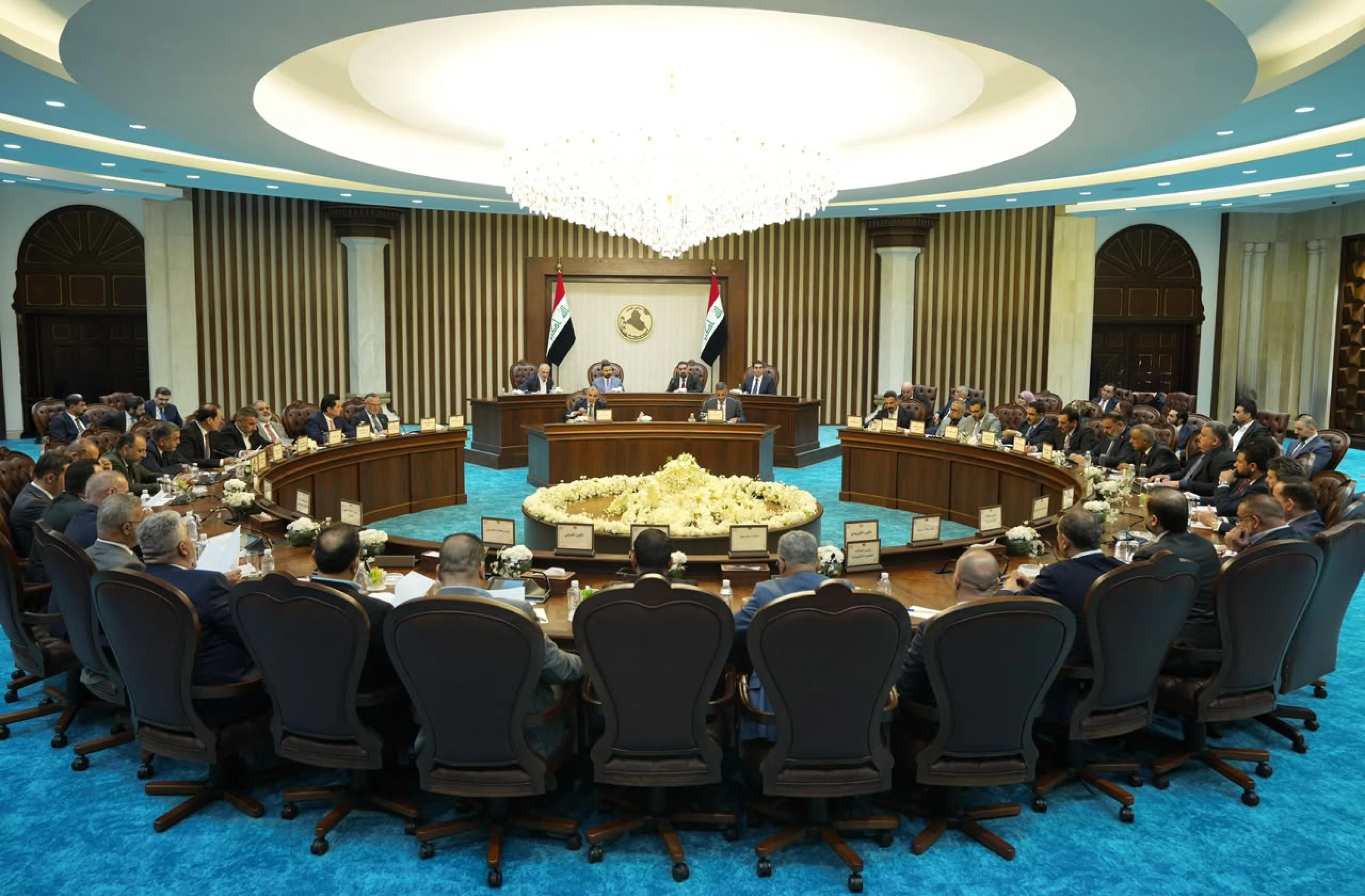
The Coordination Framework, which nominated Zaidi for the premiership, subsequently issued a statement asserting that dinar's exchange rate is "not a fund to plug budget gaps whenever resources become scarce," insisting that the public has "the right to know, with figures, why this path was chosen over others."
"We understand that the treasury is under real pressure, and that funding salaries is an obligation that cannot be postponed. However, there is a significant difference between managing a crisis and shifting its cost onto the weakest party in the equation."
In light of the decision, the umbrella group proposed a relief package for citizens to "be implemented immediately" as a means of reducing the increased financial burden.
The first measure the Framework called for was that Baghdad and the Central Bank commit to controlling non-official exchange rates and crack down on speculation to reduce the discrepancy between official and black market rates to prevent "exploitation of the decision to raise the prices of goods and services."
Secondly, they urged the creation of a "protected price basket" of essential commodities such as food, medicines, and construction materials that would be exempted from customs duties for six months since the issuance of the decision.
Thirdly, the Framework demanded that the government "obligate private and public educational institutions, including schools, universities, private colleges, evening and parallel studies, to reduce tuition fees by 15 percent for the current academic year, as a direct compensatory measure for families due to the impact of the exchange rate adjustment."
Other proposed measures included tax settlements with private companies, the establishment of an exchange rate stabilization fund raised via the difference between budgetary oil price estimates and the actual prices, and interest-free loans for agricultural projects designed to replace imported goods.
The government’s decision to amend the exchange rate was followed by a sudden plunge in the Iraqi dinar’s value, surging past 170,000 dinars per $100 - a dramatic shift compared to the 163,000 rate the night before.
The Iraqi dinar initially fell during the onset of the Iran war, but then stabilized as Zaidi’s government was elected. Since then, it has continued to gradually fall in value.
A weaker dinar raises the cost of imported goods, including food, medicine, and consumer products, putting additional pressure on Iraqi households already grappling with rising living costs.
 Facebook
 LinkedIn
 Telegram
 X
X