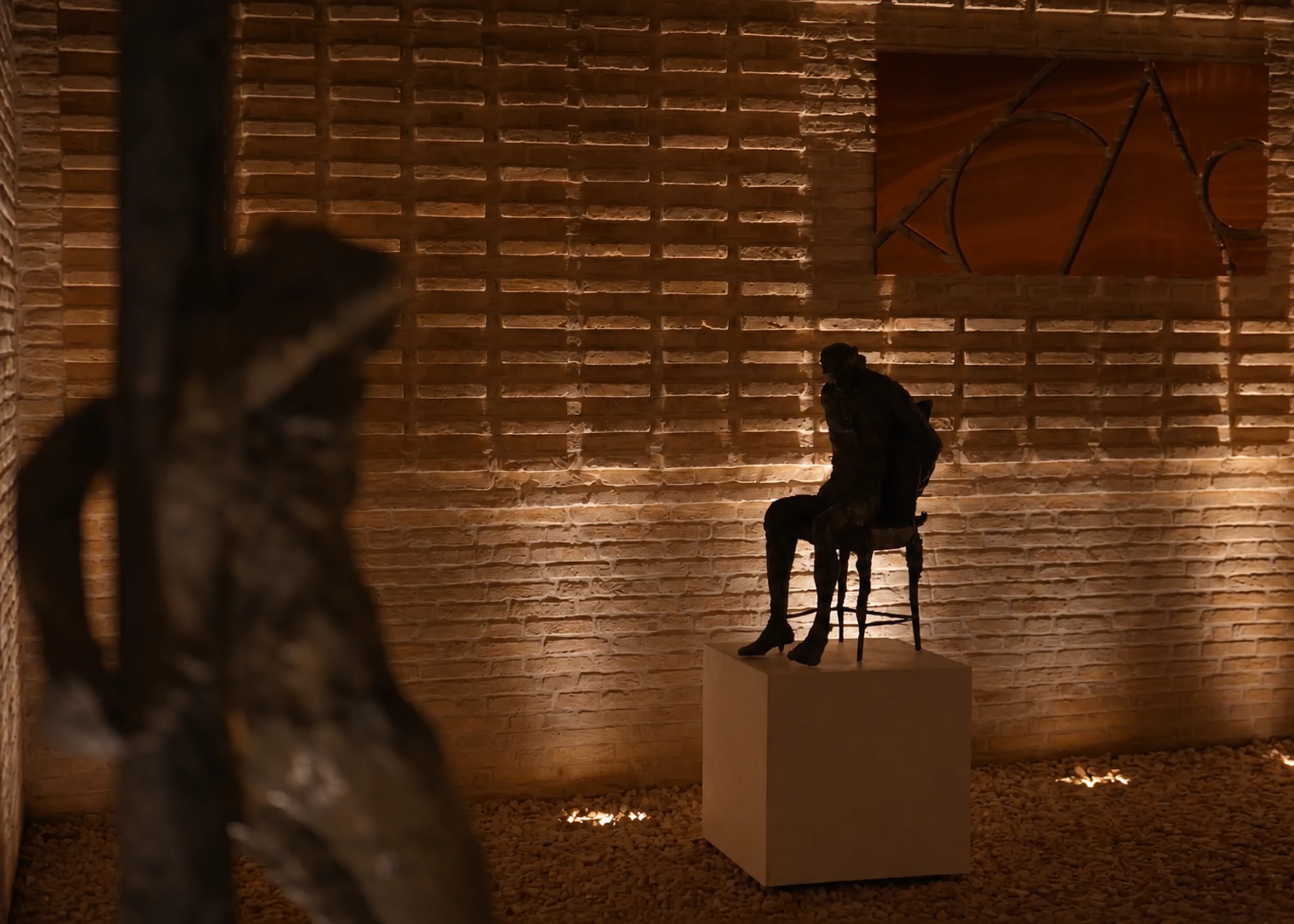
ERBIL, Kurdistan Region of Iraq – Among the aging houses and quiet streets of Erbil’s historic Araban neighborhood, a restored courtyard house has found a new purpose as an art and culture gallery, bringing together visitors, art, and stories from the Kurdistan Region’s history in an overlooked part of the city.
The initiative was launched by the Kurdistan Center for Arts and Culture (KCAC), an Erbil-based organization dedicated to preserving and promoting Kurdish heritage, culture, and art.
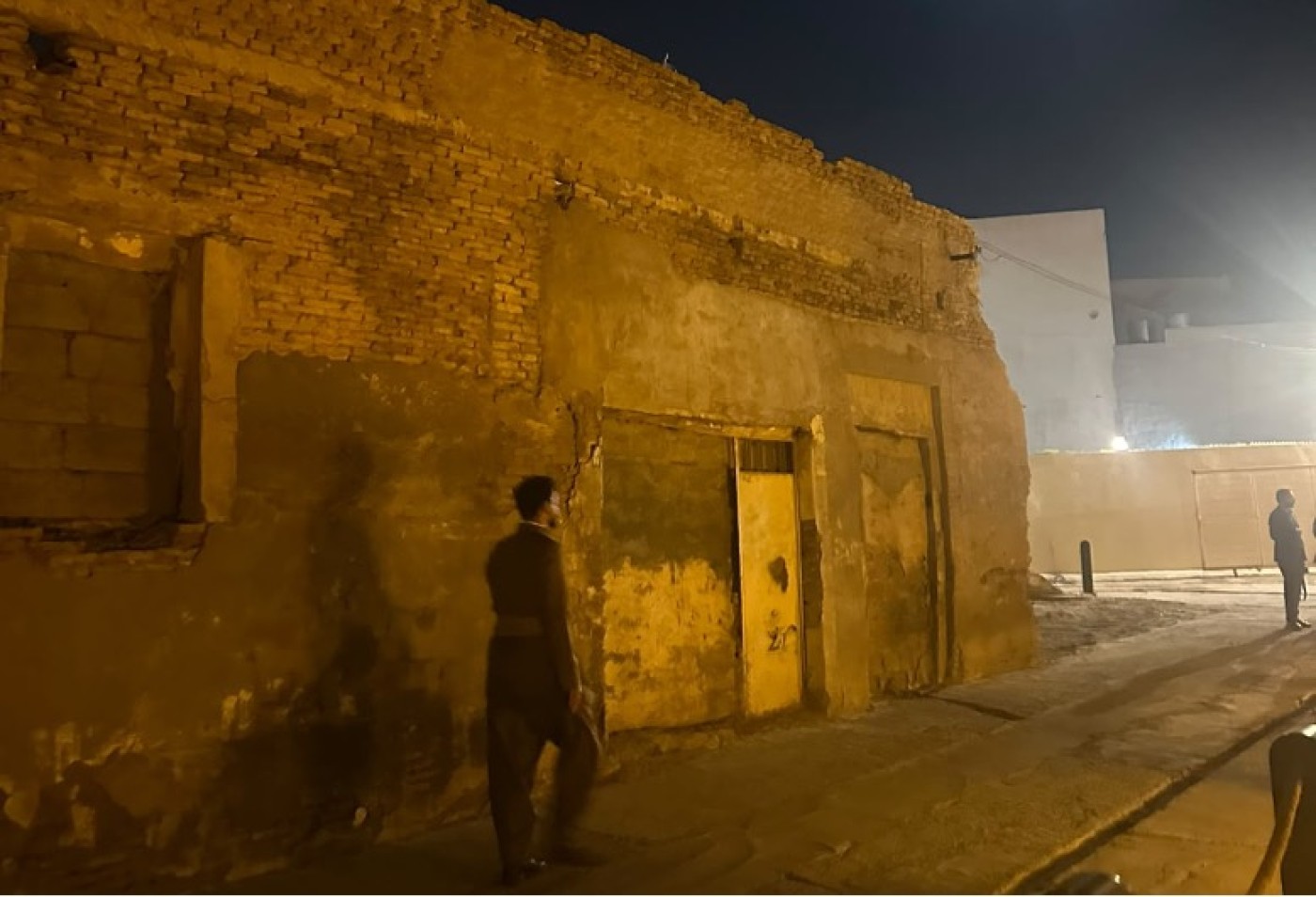
The gallery’s inaugural exhibition was held on Monday. Walking towards the site through Araban’s dark, weathered streets, I began to wonder whether I had taken a wrong turn, until I noticed other well-dressed visitors heading in the same direction, seemingly also uncertain about where they were.
This is when I found the gallery, with guards directing visitors toward the venue and KCAC staff greeting and guiding guests inside. The restoration had turned an overlooked and worn-out structure into a place bustling with life, where artists, journalists, academics, and other visitors had gathered.
Sara al-Taeshi, program coordinator at KCAC, told The New Region that the project took a year and a half to complete, including the initial planning and restoration process - carried out in collaboration with Aadex Studios, a Kurdish-British design studio.
The building blends into its surroundings yet distinctly stands out. Made with the same bricks and structural features as the neighboring houses, the gallery retains the area’s traditional architectural character while incorporating more modern elements. The prominent entrance, featuring white columns and a large curved canopy on top, sets it apart from the aged, muted facades surrounding it.
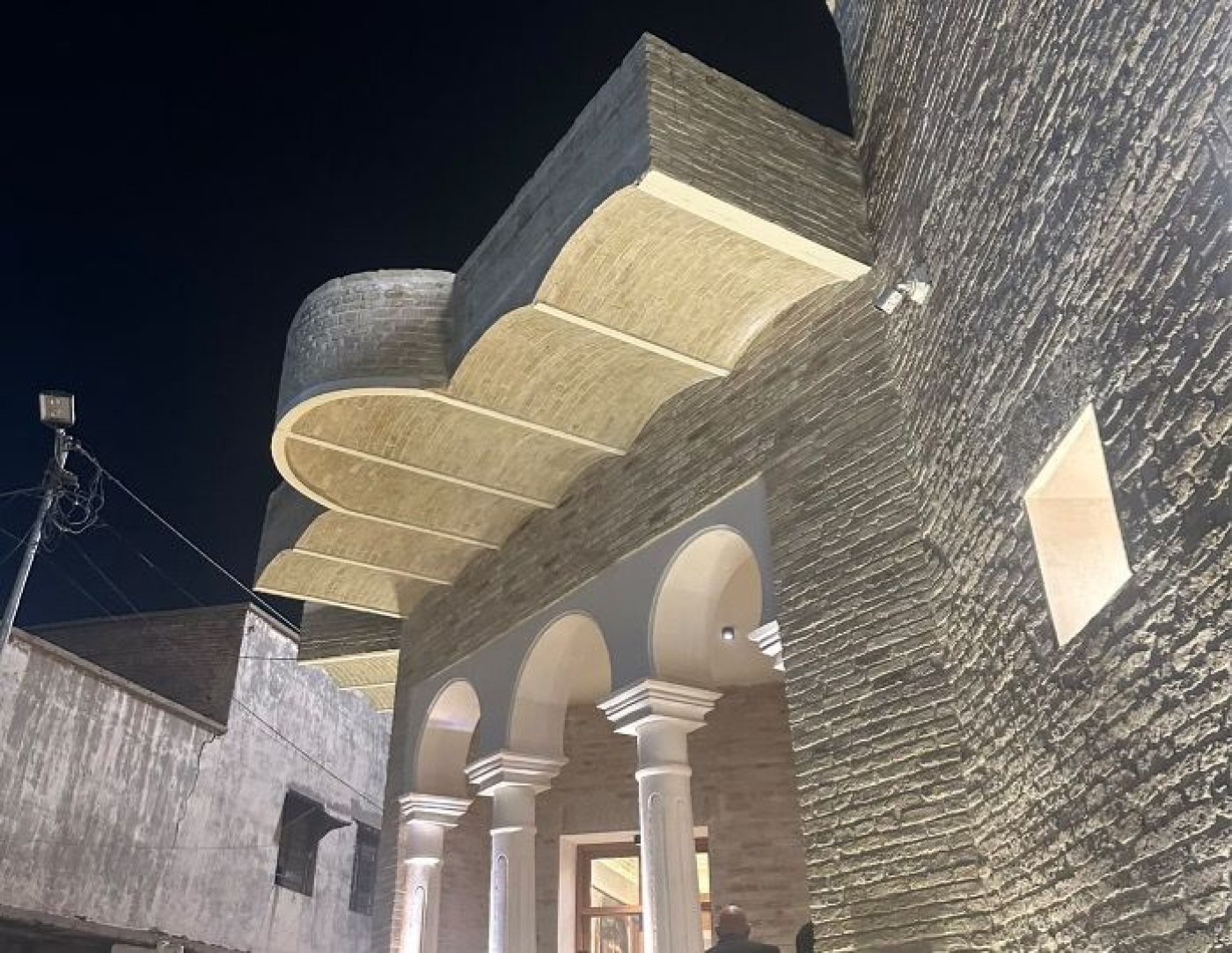
“In this neighborhood, we’ve restored two houses, one of them dedicated to preserving physical and digital archives, and the second house where we opened a gallery today,” Ayten Kotikyan, KCAC’s archival liaison, told The New Region.
The inaugural exhibition, titled 36th Parallel, marked the beginning of the gallery’s new chapter. It featured works depicting the collective Kurdish experience in the late 20th century, particularly around 1991, when the US and its allies established a no-fly zone north of the 36th parallel, preventing Iraqi military aircraft from flying over the area to protect the Kurdish population from the Baath regime’s brutal crackdown following the uprising.
The line, which aimed to establish a safe haven for the community, became the tool for its dispersion and internal displacement, as it left out areas with significant Kurdish populations such as Kirkuk and the Yazidi heartland of Sinjar (Shingal), with curators arguing that the line was drawn without Kurdish consent.
The art depicted heart-touching images of Yazidi mothers, Peshmerga captives, Kurdish women fighters, and the Great Kurdish exodus of 1991, all of which form a key part of the Region’s historical memory.
Among the most striking features of the exhibition was an entire room dedicated to Kurdish women Peshmerga, who fought side by side with their male counterparts during the struggle against the former Baath regime. The accompanying description explained that the room “honors their courage and sacrifice.”
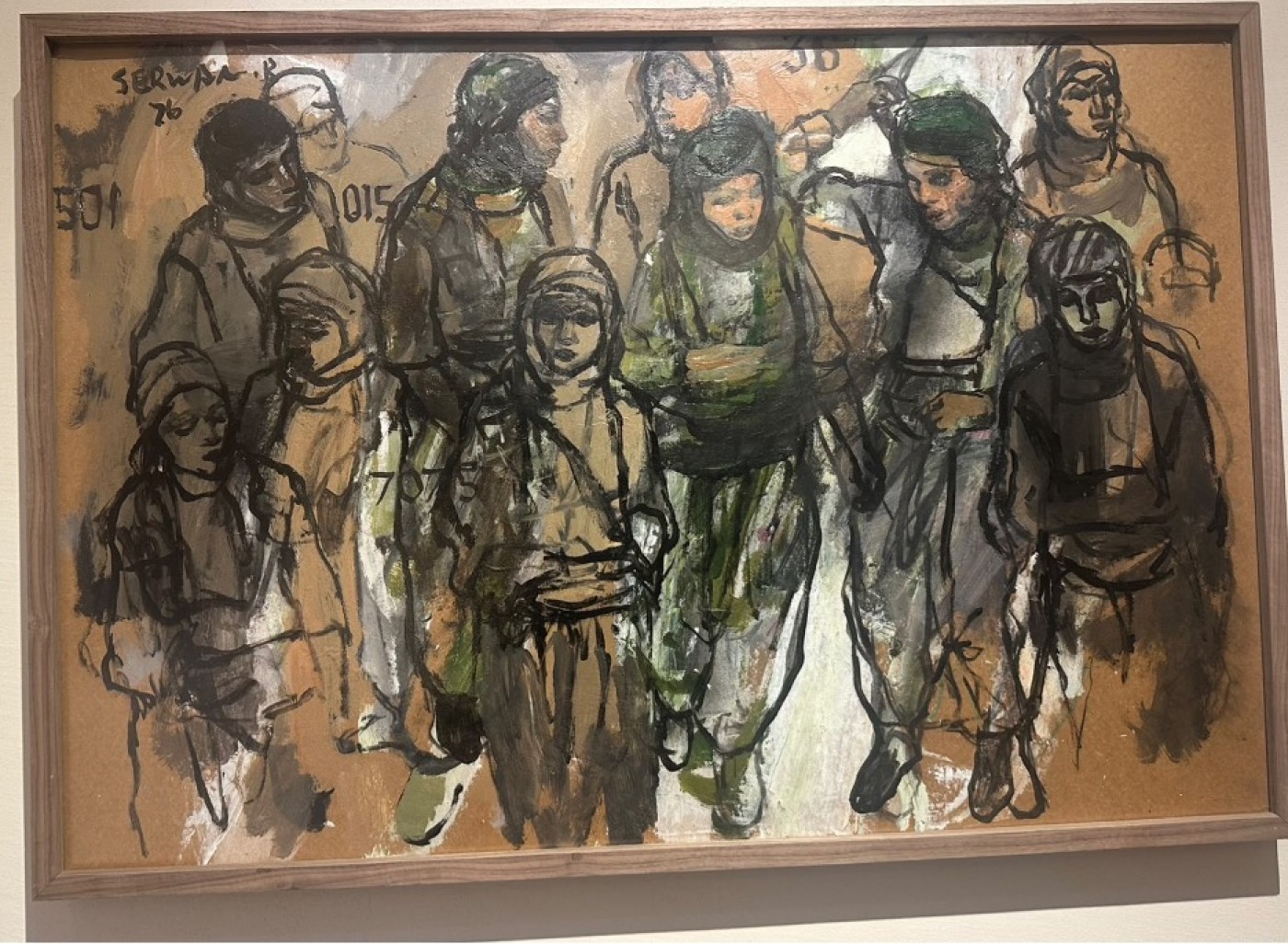
Artist and sculptor Serwan Baran experienced war firsthand after being conscripted into the Iran-Iraq war, before later serving as a war artist during the First Gulf War. With more than three decades of experience, Baran's work captures what official images of war often tend to leave out: prisoners of war, torture, and the suffering left in its wake.
“My concept is focused on the 36 Parallel, I believe it is a decisive phase of Kurdistan’s history,” Baran said in an interview with The New Region, adding that the move marked “the first point of Kurdistan’s political experience.”
“The paintings are retrospective to my work in the past three decades. I mostly work on human themes: prisoners of war, martyrs, soldiers, prisons; they are all connected to the 36 Parallel, and that era of struggle in Kurdistan.”
“I am very proud that there is a place in Kurdistan that shows this form of art,” he asserted.
Speaking about the building's history, Kotikyan noted that during the 1980s, the house served as a kitchen where food was prepared for Kurdish political prisoners held by the former Baath regime. The past adds historical significance to the exhibition, revisiting the dark chapter in the form of art.
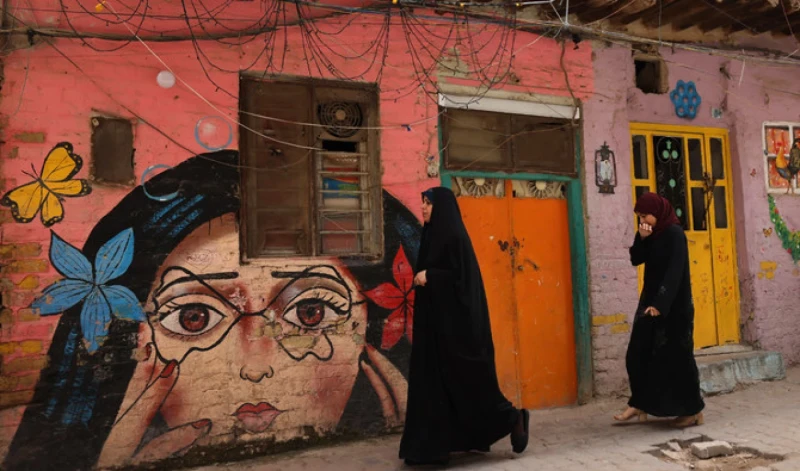
Araban is one of Erbil’s oldest neighborhoods. Also known as the Arab Quarter, it is located near Erbil’s historic citadel and dates back more than 200 years. Once home to residents from the region’s various ethnic and religious backgrounds, including Kurds, Assyrians and Chaldeans, Arabs, and Jews, the neighborhood has experienced years of neglect and population decline, leaving much of its historic architecture in ruins.
 Facebook
 LinkedIn
 Telegram
 X