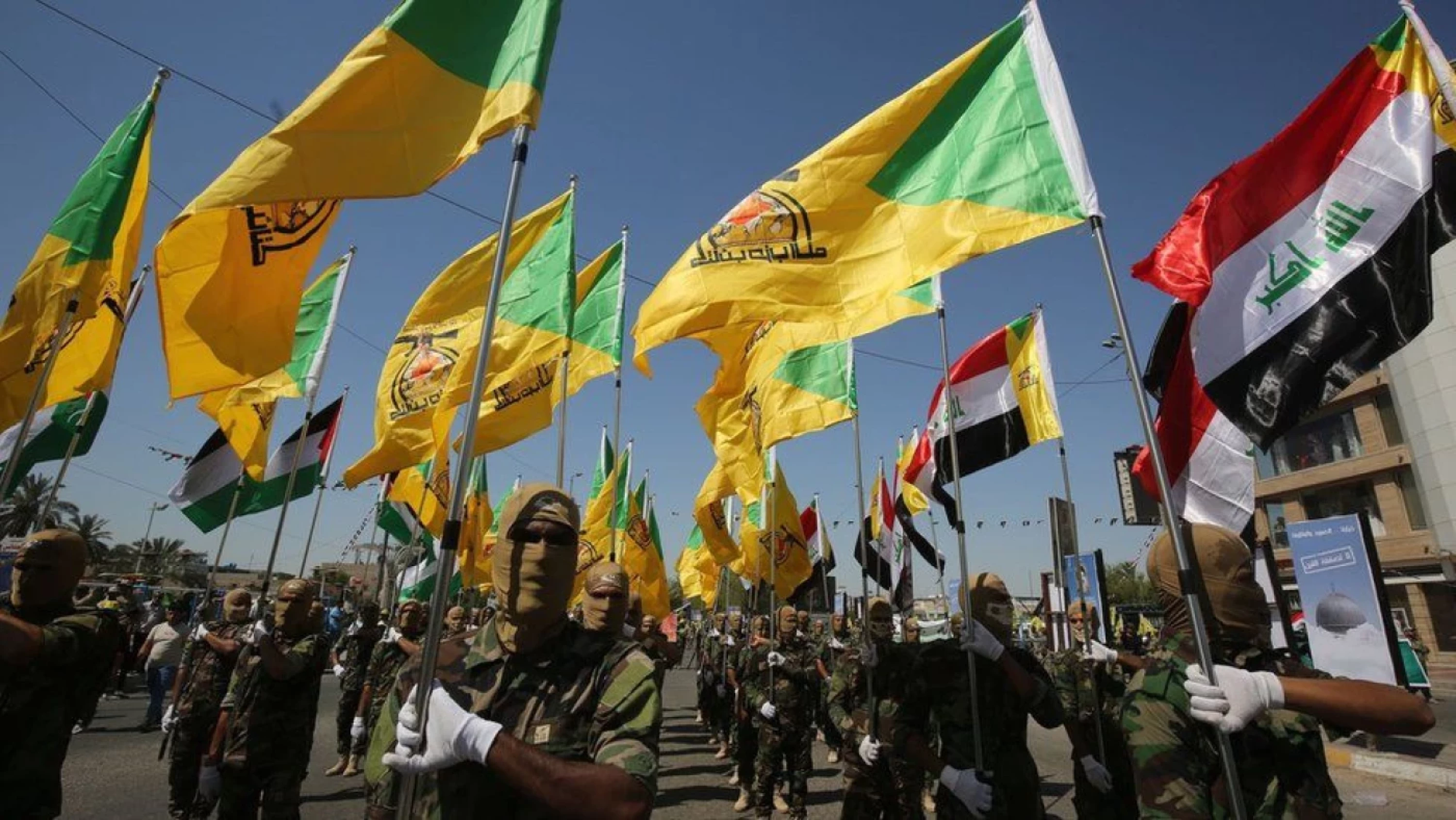
ERBIL, Kurdistan Region of Iraq - In the face of mounting pressure from the United States, Iraq’s top Shiite parties have reached a “quasi-collective” decision to bar any figures associated with armed factions from assuming ministerial roles in the upcoming government, multiple sources told The New Region.
As the winning parties from the November elections commence negotiations on forming the next Iraqi government, the narrative is now centered on how the Shiite elite will deal with Washington’s demands for excluding armed factions from the country’s decision-making and state institutions in the forthcoming cabinet.
Reaching that objective looks more difficult than ever, as political arms of armed factions gained more seats in the recent polls compared to any previous elections, filling in the gap created by Muqtada al-Sadr’s decision to boycott the process.
Sources from the Coordination Framework, Iraq’s ruling Shiite faction, told The New Region that the coalition aims to form a government that enjoys “international acceptability, while representatives from several parties within the political bloc said there is a semi-unanimous Shiite decision to “keep representatives of the factions away from sovereign positions and sensitive ministerial bags,” noting that the decision comes from growing fears that including the armed groups in top positions, mainly economic and financial roles, would severely impact political and economic ties with the US.
The sources also indicated that “the factions understood this issue,” because they realize the seriousness of the scene.
“The vision of traditional Shiite parties around sovereign portfolios, believes that one of the most important files of the next government is foreign communication with Western countries and the world for their understanding that Iraq does not pose a threat to the Middle East,” a senior leader of the National Wisdom Movement (Hikma), told The New Region on condition of anonymity.
Hikma is one of the core members of the Coordination Framework.
“The Ministry of Foreign Affairs must be a leading Shiite figure who has international acceptability and the ability to communicate with the West and the United States,” said the source, noting that the Framework is also aiming to appoint “an acceptable Shiite figure, away from factions” as Minister of Oil, amid increasing American investment in Iraq’s energy sector.
The Framework also does not have an issue with appointing a Kurd as Minister of Finance, according to the Hikma leader who stated that such a development has acquired “international understanding.”
The US has ramped up efforts to curb Iranian influence and limit the expanding role of Iran-backed Shiite armed groups in the country, who enjoy a similar level of governance and authority as the state forces.
Reports from Iraqi media in recent weeks claim that Washington has informed Baghdad that it would not deal with a specific set of armed factions in Iraq, and that the participation of these factions in the government would lead to a refusal to deal with the government as a whole.
US Special Envoy to Iraq Mark Savaya on Saturday highlighted the need for the Iraqi government to bring weapons under state control and ensure state institutions are protected.
“No economy can grow, and no international partnership can succeed, in an environment where politics is intertwined with unofficial power. Iraq now has a historic opportunity to close this chapter and reinforce its image as a state built on the rule of law, not the power of weapons,” Savaya wrote on X.
The US also strongly opposed a bill in the Iraqi parliament that seeks to organize the pro-Iran Popular Mobilization Forces (PMF) similarly to other Iraqi state security and military agencies, saying the draft law would undermine Iraqi sovereignty and risks increasing Iranian influence in the country. The Iraqi government withdrew the bill in August.
 Facebook
 LinkedIn
 Telegram
 X
X