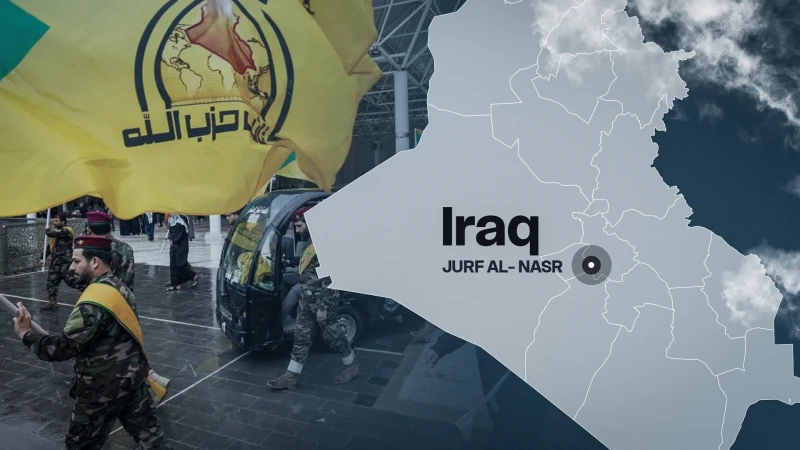
ERBIL, Kurdistan Region of Iraq – On August 25, Mazloum Abdi announced the dissolution of the Kurdish-led Syrian Democratic Forces (SDF) under the January 29 integration agreement. Now it seems that Baghdad is taking a similar path in Sinjar (Shingal) with a deal to integrate Yazidi fighters.
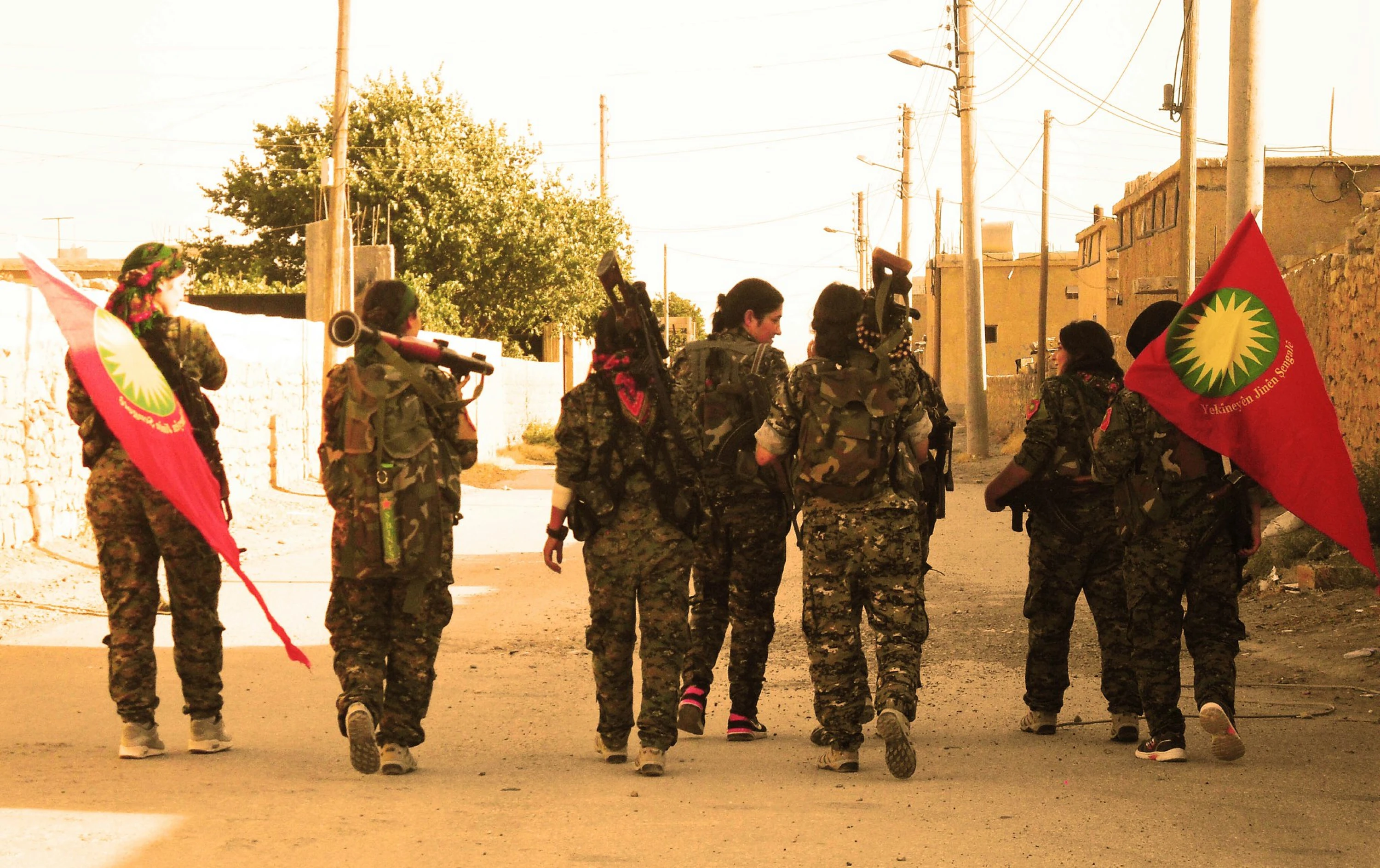
After meeting the Yazidi Cause Alliance, Iraqi Prime Minister Ali al-Zaidi on Friday announced that the all-Yazidi Sinjar Resistance Units (YBS), which have links to the Kurdistan Workers’ Party (PKK) like the SDF, will begin handing over their weapons to the state, while eligible members will be integrated.
READ MORE: Yazidi armed group to hand over weapons, join state forces: Iraqi PM
Zaidi’s decision could sideline the UN-backed 2020 Erbil-Baghdad Sinjar agreement, which has not been implemented so far. The agreement calls for the removal of armed groups from Sinjar, the appointment of a new district mayor, and reconstruction of the district.
A Kurdistan Regional Government (KRG) source told The New Region that the KRG still wants to implement the Sinjar Agreement and normalize the situation in the area.
Janghis Awakalay, a senior member of the Foreign Relations Office for the ruling Kurdistan Democratic Party (KDP), said that without effective coordination between the KRG and the Iraqi government, it would be difficult to “create the conditions for displaced people to return safely to their homes, and restore normal life” and achieve lasting security in Sinjar.
“In this context, the implementation of the Shingal Agreement between the Kurdistan Regional Government and the federal government is particularly important. Its effective implementation, together with continued security and administrative coordination between Erbil and Baghdad, could contribute significantly to stabilising Sinjar and the surrounding areas and addressing the concerns of the local population,” he said.
On September 10, KRG Interior Minister Reber Ahmed again underlined the importance of the implementation of the Sinjar agreement, local media reported.
Yazidi activists such as Mirza Dinnayi, founder of the House of Coexistence organization in Sinjar, say that the Yazidis and YBS want an integration agreement like the one in Syria.
So far, the YBS has not made any official statement yet regarding the announcement. The New Region sources indicate that officials close to the group are not willing to make any statement until the YBS has made an official statement. Earlier on September 1, the group denied a report by the Turkish Hurriyet newspaper that 2,200 Sinjar fighters would join the Iraqi Army.
Iraqi Yezidi lawmaker Murad Ismael, head of the Yazidi Cause Alliance, who led the delegation that met with Iraqi Prime Minister al-Zaidi last Friday, told The New Region that the proposal directly addresses Yazidi concerns, particularly security, in a way he believes can be implemented and resolve the problem.
He did not confirm whether the YBS has accepted the proposal yet. “Details will be agreed through the security committee,” Ismail said.
On Wednesday, Nayif Shemo, head of the Sinjar autonomous administration’s relations office, told the local website KirkukNow that the YBS had agreed to hand over its weapons in return for being incorporated into the Iraqi security forces.
Baghdad has also announced the formation of a high-level committee for Sinjar, which will follow up on the integration of YBS personnel into security institutions.
“The YBS tried for a long time to have some kind of negotiations with the Iraqi government,” Dinnayi added. “Until the prime minister’s announcement, I didn’t hear about any particular steps.”
“I think if the [Baghdad’s] plan for Shingal is realistic for them, they [YBS] are going to accept integration.”
Earlier this year, Zaidi set a September 30 deadline for Iranian-backed Iraqi factions to hand over their weapons to the state, but many have so far refused.
The Iraqi government spokesperson did not respond to The New Region’s request for comment on whether a deadline has been set for the YBS to disarm like the other factions.
Haydar Shesho, head of the Protection Force of Ezidkhan (HPE), another Yazidi armed group in Sinjar, said he has no confirmed information in this matter. “There is nothing tangible on the ground in Sinjar so far,” he said.
Turkey has opposed the YBS’s role in Sinjar, categorizing the group as a national security threat and an extension of the PKK.
The YBS was established in August 2014 after the ISIS genocidal attack on Yazidis in Sinjar. Before the new PKK-Turkish peace process started in October 2024, the Turkish army carried out many drone strikes in Sinjar, killing senior YBS commanders. But now the strikes have ceased.
Turkey’s ruling Justice and Development Party (AK Party) spokesperson Omer Celik on Tuesday described the planned integration of YBS forces as “extremely important,” Turkey’s state-owned Anadolu Agency reported.
Ismael, the Yazidi lawmaker, told the New Region that the peace process in Turkey and the SDF's integration in Syria make the integration of the YBS easier. “But frankly, I would contribute largely to the strong will of the Prime Minister to address all these security issues. He is prioritizing these issues.”
Last week, Turkish Parliament Speaker Numan Kurtulmus, during a visit by his Iraqi counterpart, said the PKK is dissolving itself with all its elements and will start handing over its weapons by October, Turkish media reported.
Mustafa Karasu, a senior member of the PKK-affiliated Kurdistan Communities Union (KCK) Executive Council, on September 8 also stated that the YBS wants their self-defense forces to be integrated into the Iraqi army.
The KCK did not respond to a request for comment on the Iraqi prime minister’s announcement by the time of writing.
Karasu also underlined that while the KDP and Turkish government in the past opposed the influence of the YBS, the situation has now changed. “We are carrying out a process with Turkey, and in this process, relations with the KDP are not what they used to be.”
Europe-based KCK Executive Council Member Zubeyir Aydar, in an interview with the PKK-affiliated ANF news agency, also stated that the YBS was engaged in dialogue with the Iraqi government for a while, adding that they must be “enabled to govern themselves.”
Zmkan Ali Saleem, an associate professor of political science at the University of Sulaimani, told the New Region that the YBS have been under pressure well before the peace process.
“They have been under pressure from the [Iraqi Security Forces] ISF, [Popular Mobilization Forces] PMF, and the KDP. They have lost much of their connection to SDF. So I think taking a step closer to the prime minister - the formal authority in Baghdad - could be the beginning of their demise as an independent military actor in that area.”
“But it goes without saying the process of fully integrating and changing identity takes a long time and depends on whether the area remains stable,” he added.
Pari Ibrahim, founder and Executive Director of the Free Yezidi Foundation (FYF), hopes that Prime Minister Zaidi will do better than Damascus. “He [Zaidi] is not an enemy to Yazidis, but in Syria, the state military actually fought against the SDF. So it’s not the same thing.”
“I think the YBS will want to actually be doing things in Sinjar, but in Syria, I think the state wants the SDF to have almost no real role ... I hope Baghdad will give Yezidis enough authority to make sure that our areas are safe for our people,” she said.
 Facebook
 LinkedIn
 Telegram
 X
X